
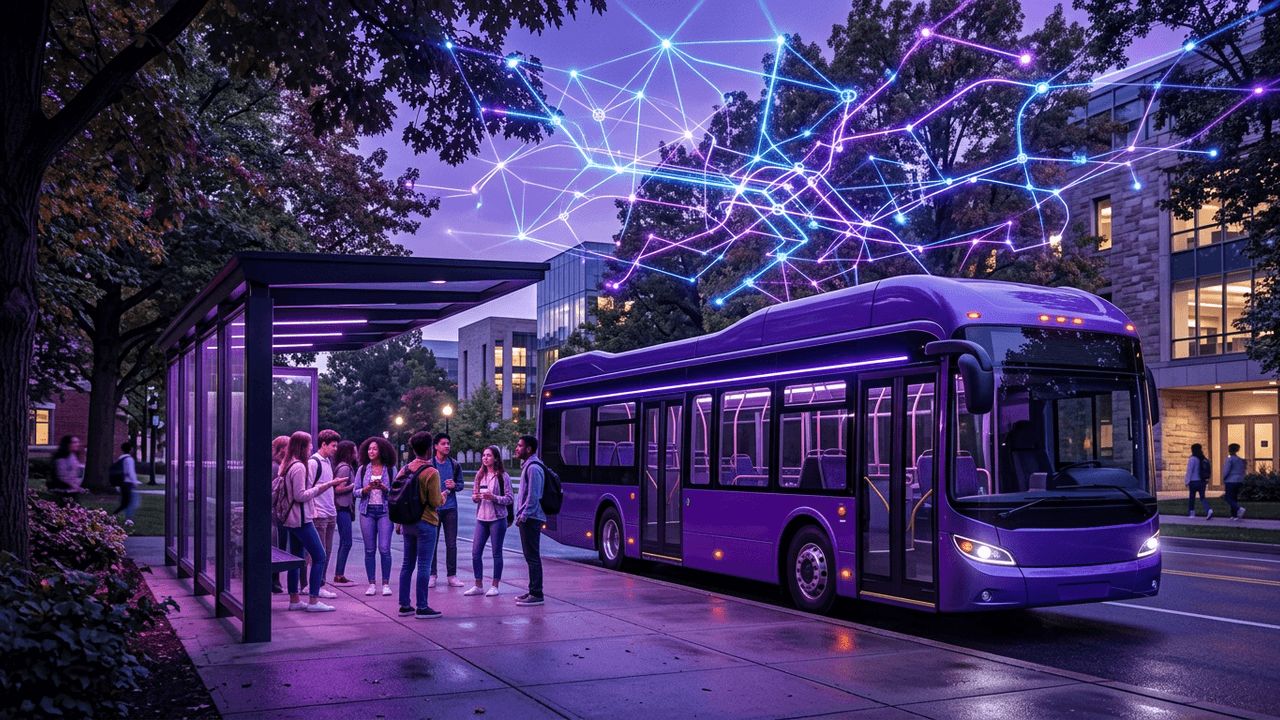
Public Transit in Amherst
Amherst has long been a model for public transit in a small community. Thanks to the presence of the Five Colleges and strong regional cooperation, the town enjoys frequent bus service that rivals much larger cities. Students commute between campuses, residents travel to work and shopping, and visitors explore without needing a car.
Public transit is central to the town's sustainability goals, reducing traffic congestion and carbon emissions while improving access for residents who do not drive. Understanding the region's transit options helps you get around efficiently and affordably.
What Makes a Great Transit Service
Reliable schedules, frequent service, accessible vehicles, and convenient connections define strong public transit. Real-time tracking, fare affordability, and clean, comfortable vehicles also matter. For regional travel, seamless transfers between local buses, intercity coaches, and rail are essential.
The Top 10 Public Transit Services in Amherst
1. Pioneer Valley Transit Authority (PVTA)
PVTA operates the largest regional transit network in Western Massachusetts, serving Amherst and surrounding communities. Its routes connect campuses, downtowns, shopping centers, and medical facilities, forming the backbone of public transportation in the valley.
2. UMass Transit
UMass Transit operates many PVTA routes in the Amherst area, staffed largely by trained student drivers. It provides high-frequency service during the academic year, connecting campus with apartments, downtown, and neighboring towns.
3. Five College Bus Routes
Dedicated routes connect UMass Amherst, Amherst College, Hampshire College, Smith College, and Mount Holyoke College. These connections allow students to take courses across institutions and support the region's unique academic collaboration.
4. PVTA Paratransit
PVTA's paratransit service offers door-to-door rides for eligible riders with disabilities. It ensures that public transportation remains accessible to everyone in the community.
5. Franklin Regional Transit Authority (FRTA)
FRTA serves Franklin County and connects with PVTA routes, providing access to Greenfield and northern communities. It is valuable for commuters and students traveling north of Amherst.
6. Amtrak Valley Flyer
The Valley Flyer provides passenger rail service from Greenfield and Northampton to Springfield, Hartford, and New Haven. Combined with local buses, it offers a sustainable way to travel beyond the valley.
7. Peter Pan Bus Lines
Peter Pan connects Amherst with Boston, New York, and other major cities. While technically an intercity carrier, it functions as a vital public transportation link for students and residents.
8. ValleyBike Share
ValleyBike Share is a regional bike share program serving communities across the Pioneer Valley. Electric-assist bikes complement bus service and make short trips faster and more enjoyable. Check current station locations and seasonal availability before riding.
9. CTrail Hartford Line
The CTrail Hartford Line provides frequent commuter rail service between Springfield, Hartford, and New Haven. It expands options for Amherst residents traveling to Connecticut and connecting to New York.
10. MBTA Commuter Rail
The MBTA Commuter Rail connects Worcester and other communities to Boston. Amherst travelers heading east can combine regional buses with commuter rail for a car-free journey to the state capital.
Public Transit Trends in the Pioneer Valley
Transit in the region is undergoing significant modernization. PVTA has expanded its fleet of battery-electric buses, reducing emissions and operating costs. Fare-free initiatives have boosted ridership and improved equity. Real-time tracking apps have made planning easier. State investments in passenger rail, including ongoing planning for improved East-West service, could further strengthen regional connectivity.
Tips for Using Public Transit in Amherst
Download a real-time bus tracking app and check schedules before traveling. Note that service is reduced during summer and university breaks. Arrive at stops a few minutes early, especially in winter. Use bike racks on buses to combine cycling and transit. For regional trips, plan connections carefully to minimize wait times.
Local Insight: Why Amherst Transit Works
Amherst's transit success stems from an unusual partnership model. The colleges, the town, and the regional transit authority share costs and planning, which allows service levels far above what a town of this size could support alone. Because so many riders are students, routes are designed around class schedules, with buses running frequently between campus, apartment complexes, and downtown. Residents benefit from that frequency too, using the same routes to reach groceries, libraries, and medical offices without a car.
Frequently Asked Questions
Is public transit free in Amherst? Many PVTA routes have offered fare-free service through state-funded programs, and students typically ride free. Check current fare policies for the latest information.
Can I live in Amherst without a car? Many residents and students do. Frequent bus service, walkable neighborhoods, bike paths, and car-sharing make car-free living practical, especially near downtown and campus.
Are buses accessible? Yes, PVTA buses are wheelchair accessible, and paratransit service is available for eligible riders.
Final Thoughts
Amherst's public transit network is a standout example of what small communities can achieve through collaboration and investment. From frequent campus buses to regional rail connections, these services make it easy and sustainable to explore Amherst and the wider Pioneer Valley.