
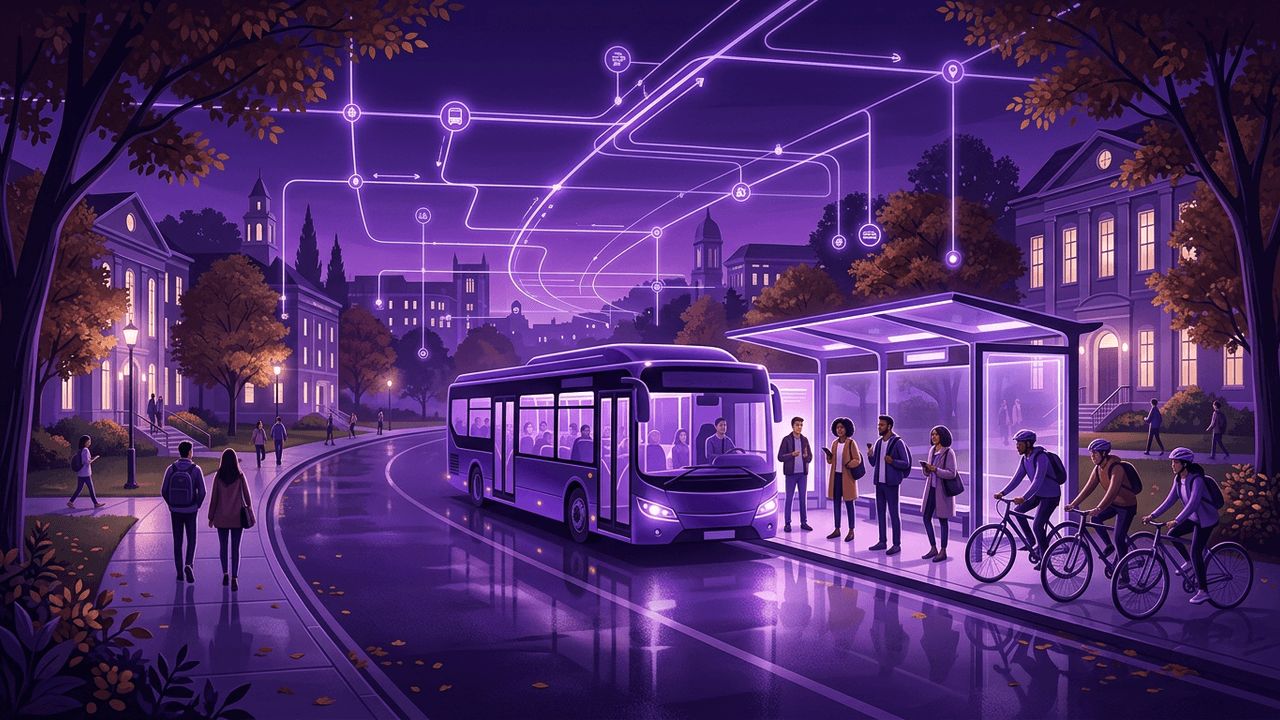
Public Transit in Ann Arbor
Ann Arbor stands out in Michigan for its commitment to public transit. Voters have repeatedly supported transit funding, the University of Michigan operates an extensive free bus system, and regional partnerships continue to improve connections to Detroit and the airport. For students, commuters, seniors, and visitors, public transit provides an affordable and sustainable way to navigate the city without the cost and hassle of parking.
Below are ten of the most important public transit services in Ann Arbor, covering local buses, campus shuttles, regional express routes, accessible transportation, and passenger rail.
Why Transit Matters Here
Downtown parking is limited and expensive, campus areas are dense, and the city has set ambitious climate goals that encourage alternatives to driving. Public transit helps reduce traffic congestion, lowers carbon emissions, and provides essential mobility for residents who do not drive.
The Top 10 Public Transit Services in Ann Arbor
1. TheRide Fixed-Route Buses
The Ann Arbor Area Transportation Authority, known as TheRide, operates fixed-route bus service throughout Ann Arbor and Ypsilanti. Routes connect neighborhoods, downtown, shopping centers, schools, and medical facilities. The Blake Transit Center downtown and the Ypsilanti Transit Center serve as key hubs, and real-time tracking helps riders plan trips with confidence.
2. University of Michigan Transit
The University of Michigan operates a large campus bus system that is free and open to the public. Routes connect Central Campus, North Campus, the medical campus, and athletic facilities. These buses carry millions of riders each year and are essential for students moving between classes.
3. D2A2 Express
D2A2 is a regional express bus connecting downtown Ann Arbor with downtown Detroit. With comfortable coaches and onboard amenities, it offers a convenient way to travel between the two cities for work, events, or leisure.
4. FlexRide
FlexRide is TheRide's on-demand shared ride service, serving areas with limited fixed-route coverage. Riders can book trips through an app or by phone, making it a flexible option for reaching destinations outside the core bus network.
5. A-Ride Paratransit
A-Ride provides door-to-door paratransit service for people with disabilities who cannot use fixed-route buses. It ensures accessible mobility for residents throughout the service area and is an essential part of the transit system.
6. NightRide
NightRide offers late-night shared ride service when regular bus routes are not operating. It provides a safe and affordable option for workers, students, and residents traveling late at night.
7. ExpressRide Commuter Service
TheRide has offered commuter express services connecting Ann Arbor with nearby communities, helping workers from surrounding areas reach jobs in the city without driving. Park-and-ride lots further support commuters who drive partway and take transit the rest of the way.
8. Michigan Flyer
Michigan Flyer offers scheduled service between Ann Arbor, Detroit Metropolitan Airport, and East Lansing. Although privately operated, it is an important part of the regional transit network and a convenient airport connection.
9. Amtrak Wolverine
Amtrak's Wolverine passenger rail service stops in Ann Arbor, connecting the city with Detroit and Chicago. It offers a comfortable, productive alternative to driving for intercity trips.
10. WAVE
The Western Washtenaw Area Value Express serves Chelsea, Dexter, and surrounding communities, providing connections to Ann Arbor. It helps residents of smaller towns access jobs, healthcare, and services in the city.
How to Ride Like a Local
Download a real-time tracking app to see when buses will arrive, and check TheRide's website for route maps and service alerts. University of Michigan buses do not require a fare, which makes them an easy way to explore campus. Many local employers and the university offer transit pass programs that allow employees and students to ride TheRide at reduced or no cost, so it is worth asking your employer or school. Buses are equipped with bike racks, making it simple to combine cycling and transit, and most vehicles are fully accessible for riders using wheelchairs or mobility devices.
Trends in Ann Arbor Transit
Ann Arbor's transit agencies are investing in cleaner vehicles, including hybrid and electric buses, to support the city's carbon neutrality goals. Planning efforts continue to explore improved service frequency, rapid transit corridors, and better regional connections. On-demand microtransit is filling gaps in coverage, while digital fare payment is making transit more convenient. Regional cooperation, including partnerships for services like D2A2, is strengthening connections across Southeast Michigan.
Tips for Using Public Transit
Plan trips in advance using real-time tools, especially during evenings and weekends when service may be less frequent. Allow extra time on football Saturdays, as detours and crowds are common. Keep your fare card or app ready to speed up boarding. Finally, explore transit pass programs to save money if you ride regularly.
Final Thoughts
Ann Arbor's public transit network is among the strongest in Michigan, offering a mix of local, regional, and specialized services. Whether you are a student, commuter, or visitor, these transit options make it easy to explore Tree Town sustainably and affordably.