
Pool Ownership in London
Private swimming pools are a luxury in London, but they are more common than many people realise. Basement pools in Kensington, Chelsea and Hampstead, garden pools in suburban boroughs, and leisure facilities in residential developments all require regular maintenance. Indoor pools face particular challenges with humidity, ventilation and water chemistry, while outdoor pools must cope with leaves, rain and seasonal changes.
This guide outlines the ten most valuable pool cleaning and maintenance services in London, along with well-known specialists that offer them.
1. Regular Weekly Maintenance
Routine maintenance includes skimming debris, vacuuming, brushing walls, emptying baskets and testing water. Regular visits prevent algae and keep water safe. London specialists such as the London Swimming Pool Company offer ongoing maintenance contracts for private pools across the capital.
2. Water Chemistry Testing and Balancing
Balanced water protects swimmers and equipment. Technicians test and adjust pH, alkalinity, calcium hardness and sanitiser levels. London's hard water can increase scale build-up, so careful balancing is especially important. Automated dosing systems are increasingly used to maintain consistent water quality.
3. Filtration and Pump Servicing
Filters and pumps are the heart of a pool's circulation system. Servicing includes backwashing filters, replacing filter media, checking pump seals and ensuring efficient operation. Established pool companies such as Guncast and Falcon Pools provide technical servicing alongside their construction expertise.
4. Deep Cleaning and Algae Treatment
If a pool turns green or cloudy, a deep clean is required. This may involve shock treatment, intensive brushing, filter cleaning and repeated water testing. Professional technicians identify the cause to prevent recurrence, whether it is poor circulation, imbalanced chemistry or environmental factors.
5. Seasonal Opening and Closing
Outdoor pools in London are often closed during winter. Professional winterisation protects equipment from frost damage and keeps water clean under a cover. In spring, technicians reopen pools, clean thoroughly and rebalance water. Seasonal services ensure pools are ready for the first warm days of the year.
6. Pool Cover Maintenance
Pool covers reduce heat loss, evaporation and debris. Automatic and slatted covers require regular cleaning and mechanical checks. Specialists can repair motors, replace slats and ensure covers operate safely, which is especially important in homes with children.
7. Heating and Energy Efficiency Upgrades
Heating a pool can be costly. Pool specialists install and service heat pumps, heat exchangers and solar heating systems to reduce running costs. With energy prices a concern for many London homeowners, efficiency upgrades are increasingly popular.
8. Indoor Pool Ventilation and Dehumidification
Indoor pools generate high humidity, which can damage buildings if not controlled. Dehumidification systems remove moisture and maintain comfortable air quality. Pool companies often work with ventilation specialists to service these systems, protecting basements and surrounding rooms.
9. Leak Detection and Repairs
Unexplained water loss may indicate a leak in the pool structure, pipework or fittings. Leak detection specialists use pressure testing, dye testing and acoustic equipment to locate problems. Early detection prevents structural damage, which is vital for basement pools beneath London homes.
10. Pool Refurbishment and Tile Cleaning
Over time, tiles, grout and finishes wear out. Refurbishment services include retiling, regrouting, scale removal and lighting upgrades. Companies such as Tanby Pools and other established builders offer refurbishment to restore older pools to their original beauty.
Pool Maintenance Trends in London
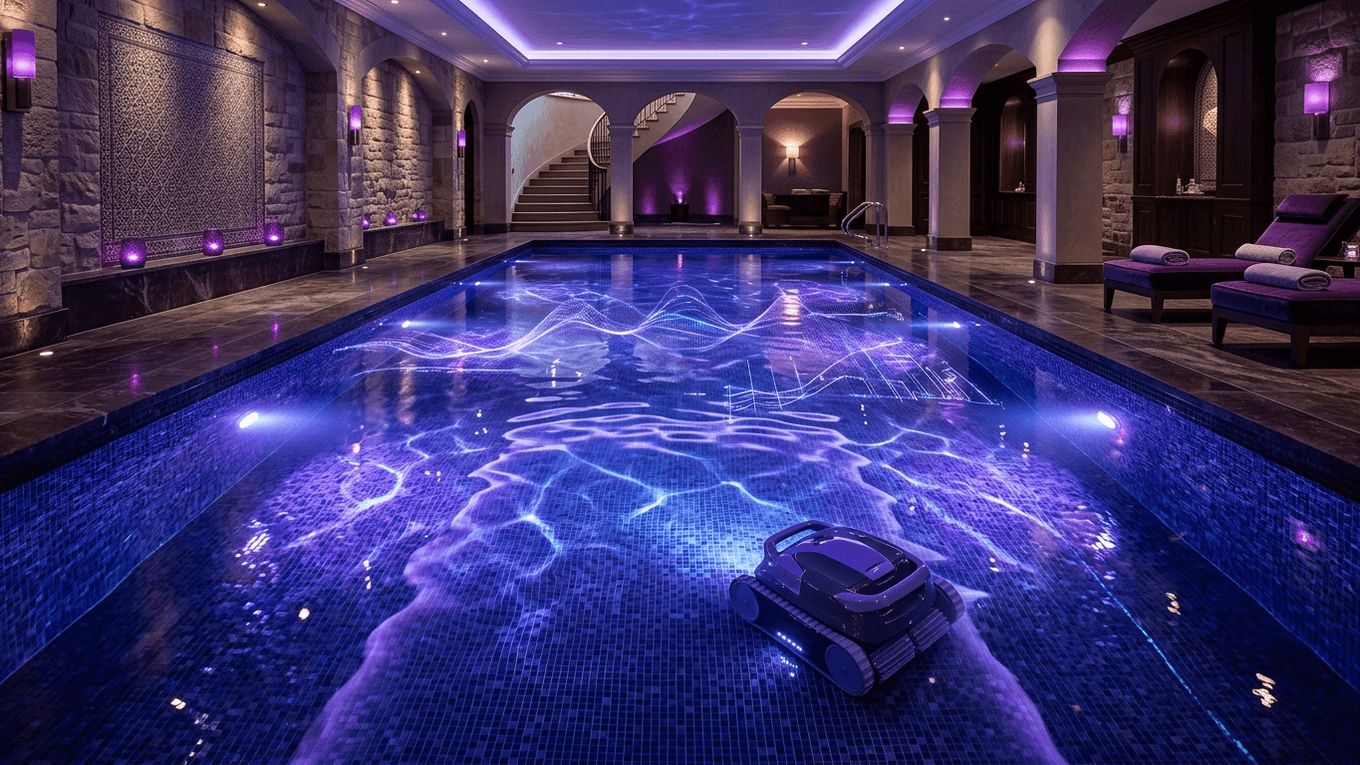
Automation is transforming pool care. Robotic cleaners, smart dosing systems and remote monitoring allow pool owners and technicians to track water quality from a phone. Salt chlorination and UV treatment are becoming popular alternatives to traditional chlorine, offering gentler water. Energy-efficient pumps and heat pumps are increasingly specified to reduce environmental impact and running costs.
Choosing a Pool Cleaning Service
Look for technicians with industry training and experience with your type of pool, whether indoor, outdoor, skimmer or deck-level. Ask what is included in maintenance visits and how often water is tested. Membership of a recognised trade association, such as the Swimming Pool and Allied Trades Association, can provide extra reassurance.
For basement pools, choose a company experienced with plant rooms, ventilation and access within residential properties.
Frequently Asked Questions
How often should a private pool be serviced? Many pool owners in London schedule weekly or fortnightly maintenance visits, with water testing in between. Heavily used pools or pools in leafy gardens may need more frequent attention.
Why does my pool water turn cloudy? Cloudy water is often caused by unbalanced chemistry, poor filtration, insufficient sanitiser or a build-up of organic matter. A professional technician can test the water and identify the cause quickly.
Are salt water pools easier to maintain? Salt chlorination systems generate chlorine automatically, which can make water feel softer and reduce manual dosing. They still require regular testing, cleaning and maintenance of the salt cell.
How can I reduce pool running costs? Use a cover when the pool is not in use, upgrade to variable-speed pumps, consider a heat pump and keep filters clean so the system runs efficiently.
Final Thoughts
A well-maintained pool is a joy to use and a valuable asset. By understanding these essential services and choosing an experienced London specialist, you can keep your pool safe, clean and inviting all year round.