
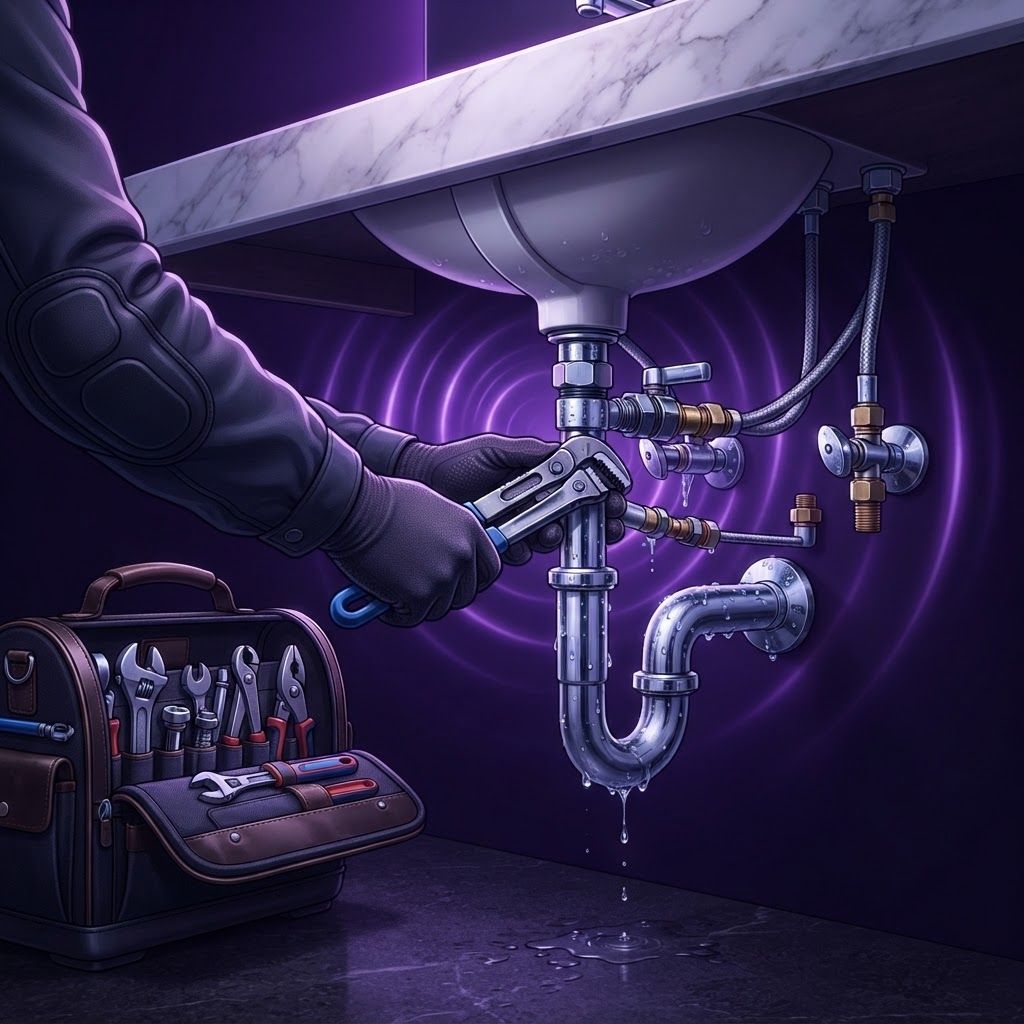
What Separates a Good Plumber From a Great One
Every homeowner eventually needs a plumber, and the difference between a competent one and an excellent one becomes apparent only under pressure. A great plumber diagnoses the actual cause rather than treating a symptom, explains options honestly including the least expensive one, quotes before working, leaves the work area clean, and stands behind the repair without argument when something recurs.
In Surprise, an additional qualification matters: understanding how local water chemistry, slab-on-grade construction and extreme temperatures affect plumbing systems. A plumber who knows that a recurring water heater failure likely reflects untreated hard water, or that a warm spot on a floor suggests a hot water slab leak, saves customers money by getting to the real issue quickly.
The Most Common Plumbing Problems Locally
Water heater failure tops the list. Mineral-rich supply water deposits sediment in tank bottoms, insulating the heating element and forcing longer run times until the tank eventually fails. Annual flushing extends life considerably, yet most homeowners never do it.
Slab leaks are a signature problem in this region because most homes sit on concrete slabs with supply lines routed beneath. Symptoms include unexplained high water bills, warm spots on floors, the sound of running water with all fixtures off, and cracking in flooring. Early detection prevents extensive damage.
Hard water scale affects everything water touches, clogging aerators, reducing shower flow, shortening dishwasher and washing machine life, and leaving deposits on fixtures and glass.
Drain and sewer blockages result from grease, debris, root intrusion into older lines and, occasionally, line collapse. Camera inspection distinguishes a simple clog from a structural problem.
Irrigation and outdoor plumbing issues arise from the extensive landscape watering that desert properties require, including broken valves, leaking hose bibs and backflow preventer failures.
Pressure regulation problems occur where municipal pressure exceeds safe levels, stressing fixtures and appliances. A failing pressure reducing valve causes symptoms that are frequently misdiagnosed.
Leading Plumbers Serving Surprise
Large multi-truck plumbing companies serving the Phoenix metropolitan area provide the fastest emergency response, with dispatch systems, stocked vehicles and extended hours. For a burst pipe at midnight, response capacity outweighs every other consideration.
Owner-operated local plumbers serving Surprise neighborhoods build lasting reputations through direct accountability and competitive pricing. Many customers prefer dealing with the person who will actually perform the work and who answers the phone directly.
Water heater specialists focus on tank and tankless systems, handling sizing, gas line capacity, venting requirements and recirculation loops. Their specialization shows in installations that perform correctly from day one.
Slab leak detection experts use acoustic listening equipment, thermal imaging and pressure testing to pinpoint leaks accurately, then advise on whether spot repair or rerouting makes better sense for a given situation.
Drain and sewer specialists operate hydro jetters, inspection cameras and trenchless repair equipment, resolving problems that require more than a standard drain snake.
Repiping contractors replace deteriorating whole-home plumbing efficiently, typically using cross-linked polyethylene that resists scale and tolerates thermal movement well.
Water treatment plumbers install and service softeners, conditioners and reverse osmosis systems, which in this region deliver among the best returns of any plumbing investment.
Commercial plumbing contractors serve restaurants, medical offices, retail and industrial facilities, managing grease interceptors, backflow prevention and code compliance requirements.
Gas line plumbers handle installations for outdoor kitchens, fire pits, pool heaters and generator connections, work that demands proper permitting and pressure testing.
Finally, plumbing companies affiliated with home warranty networks serve customers with coverage plans, though homeowners should understand the scope limitations those plans typically impose.
How to Verify and Hire a Plumber
Check licensing with the Arizona Registrar of Contractors first, confirming the license is active and in the appropriate classification. Ask for proof of liability insurance and workers compensation, and be wary of any contractor reluctant to provide it.
Ask how they charge before they arrive. Understand whether there is a diagnostic or trip fee, whether it applies toward the repair, and whether pricing is flat rate or hourly. Reputable companies disclose this readily by phone.
Insist on a written estimate before work begins on anything beyond a trivial repair. For significant work such as repiping or sewer replacement, obtain multiple quotes and ensure each specifies materials, scope and warranty.
Evaluate the diagnosis, not just the price. If two plumbers propose different solutions at similar cost, the one who explains the underlying cause and the reasoning behind their recommendation is usually the better choice.
Look at review patterns rather than individual reviews. Consistent praise for punctuality, cleanliness and honest recommendations indicates a well-run operation, while repeated complaints about upselling or unresolved callbacks are meaningful warnings.
Preventive Habits That Save Money
Install a water softener appropriate to household size and water hardness. It protects the water heater, appliances, fixtures and pipes simultaneously, and in this region it typically pays for itself through extended equipment life.
Flush the water heater annually and test the temperature and pressure relief valve. Consider replacing the anode rod, an inexpensive component that sacrificially protects the tank and is rarely maintained.
Locate and label the main water shutoff, and ensure everyone in the household knows where it is. Consider installing an automatic leak detection and shutoff device, which has become affordable and prevents catastrophic water damage while a home is unoccupied, a particularly valuable safeguard for seasonal residents.
Avoid chemical drain cleaners, which damage pipes and rarely solve underlying issues. Use strainers, dispose of grease properly and address slow drains before they become blockages.
Finally, establish a relationship with a plumber before you need one. A company that already knows your home responds faster and diagnoses more accurately than a stranger arriving during a crisis.