
The Plastics Landscape in Greater Hartford
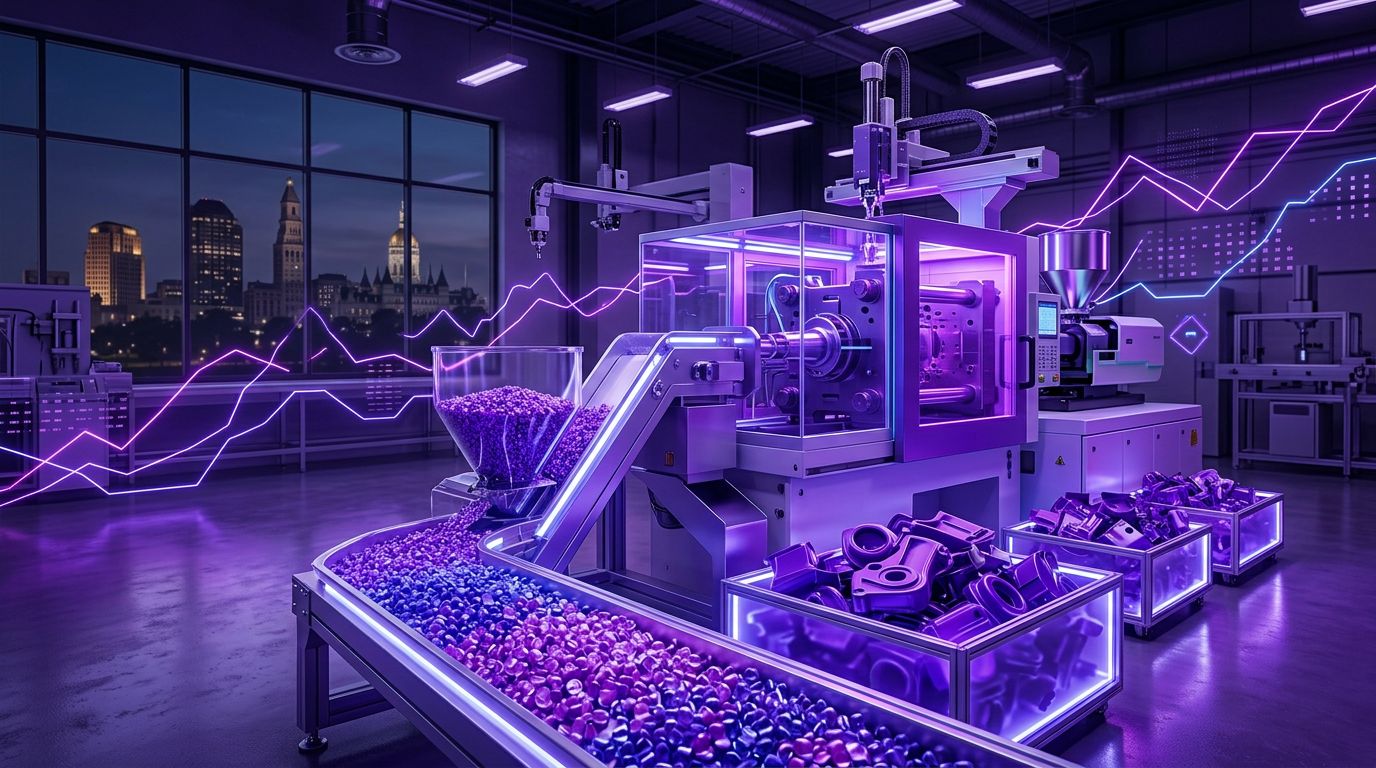
Hartford is widely known as the Insurance Capital of the World, but the region also supports a sophisticated manufacturing economy. Aerospace, medical devices, defense, consumer goods, and electronics companies throughout Central Connecticut rely on plastics and engineered polymers for components, packaging, and specialty materials. That demand has attracted manufacturers that combine precision molding, materials science, and strict quality systems.
Choosing the right plastics partner affects product performance, cost, and time to market. Buyers in the Hartford area typically evaluate capabilities such as injection molding, extrusion, thermoforming, and compounding, along with certifications such as ISO 9001, ISO 13485 for medical products, and AS9100 for aerospace work. The following ten companies stand out for capability and reputation.
1. BIC Corporation
With its North American headquarters in Shelton and a long manufacturing history in Connecticut, BIC is one of the most recognizable plastic product manufacturers in the world. Its pens, lighters, and shavers are produced at enormous scale using high-precision molding. BIC's presence demonstrates the depth of plastics expertise in the state and its continued investment in efficient, high-volume production.
2. Rogers Corporation
Rogers Corporation, with deep roots in the town of Rogers in eastern Connecticut, develops engineered materials including advanced polymers, elastomeric foams, and circuit materials. Its products appear in electric vehicles, wireless infrastructure, and industrial equipment. Engineers value Rogers for technical support and materials that perform in demanding thermal and electrical environments.
3. Henkel
Henkel's Loctite operations in Rocky Hill, just south of Hartford, make the company a cornerstone of the regional polymer industry. Henkel produces adhesives, sealants, and functional coatings used across automotive, electronics, and aerospace manufacturing. Its research presence in Connecticut supports innovation in bonding technologies that often replace mechanical fasteners.
4. Lydall
Lydall, historically based in Manchester and now part of a larger specialty materials group, manufactures filtration media, thermal and acoustical solutions, and engineered composites. Many of its products integrate polymer fibers and films. Industrial customers across New England rely on Lydall for materials that improve energy efficiency and air quality.
5. Connecticut Plastics
Connecticut Plastics is a precision machining and fabrication specialist working with high-performance plastics such as PEEK, Ultem, and PTFE. It serves medical, semiconductor, and aerospace clients that require tight tolerances and clean manufacturing. Its focus on engineering-grade materials makes it a valuable partner for prototyping and low-to-mid volume production.
6. Berry Global
Berry Global is one of the largest plastic packaging manufacturers in the world, supplying containers, closures, films, and nonwovens. Hartford-area food, healthcare, and consumer brands benefit from its extensive product range and growing portfolio of recyclable and recycled-content packaging. Its scale provides reliable supply for high-volume programs.
7. Saint-Gobain Performance Plastics
Saint-Gobain Performance Plastics produces high-performance polymer products including fluoropolymer films, tubing, seals, and bearings. Its materials are used in life sciences, aerospace, and industrial processing. Connecticut manufacturers frequently specify Saint-Gobain components for applications that demand chemical resistance and long service life.
8. Sonoco
Sonoco is a diversified packaging company with strong capabilities in rigid plastic containers and thermoformed packaging. It serves food, consumer, and industrial markets throughout the Northeast. Sonoco's sustainability programs and design services help regional brands reduce material use while maintaining product protection.
9. Amcor
Amcor manufactures flexible and rigid plastic packaging for food, beverage, pharmaceutical, and personal care products. Its innovation centers focus on recyclable structures and lightweight designs. For Hartford-area healthcare and consumer goods companies, Amcor offers packaging that balances regulatory compliance with environmental goals.
10. Sealed Air
Sealed Air is known for protective and food packaging solutions, including its iconic cushioning products and vacuum packaging systems. Distributors and e-commerce fulfillment operations in Central Connecticut rely on its materials to reduce product damage and food waste. The company also invests in automation equipment that streamlines packaging lines.
What to Look for in a Plastics Manufacturer
Evaluate a supplier's engineering support, especially design-for-manufacturability reviews that can reduce tooling costs. Confirm quality certifications relevant to your industry, ask about material traceability, and review on-time delivery performance. For medical and aerospace applications, cleanroom capabilities and documented validation processes are essential. Proximity also matters, since local partners can speed up prototyping and reduce freight costs.
Industry Trends in Connecticut Plastics
Sustainability is reshaping the industry, with growing demand for recycled resins, mono-material packaging, and bio-based polymers. Automation and digital quality inspection are improving consistency and reducing waste. Meanwhile, the aerospace and medical sectors around Hartford continue to drive demand for high-performance thermoplastics that can replace metal parts and reduce weight.
Frequently Asked Questions
What is the difference between injection molding and machining plastics?
Injection molding melts resin and forms it in a steel or aluminum mold, which is ideal for high volumes once tooling is paid for. Machining cuts parts from solid plastic stock, which suits prototypes, low volumes, and engineering-grade materials that are difficult to mold. Many Hartford manufacturers use both approaches across a product's lifecycle.
Can plastic parts replace metal components?
In many applications, high-performance thermoplastics can replace metal to reduce weight, resist corrosion, and lower assembly costs. Aerospace and medical engineers in Connecticut increasingly specify polymers such as PEEK and PEI for brackets, housings, and insulators. A qualified supplier can help evaluate strength, temperature, and chemical requirements before a switch is made.
Are recyclable plastics strong enough for industrial use?
Advances in recycled and mono-material resins have made them suitable for many packaging and consumer products. Critical structural or regulated applications may still require virgin materials, so testing and certification remain essential.
Conclusion
Greater Hartford offers access to plastics manufacturers ranging from global packaging leaders to specialized engineering-plastics fabricators. By matching your technical needs, volume, and sustainability goals with the right partner from this list, you can build a supply chain that is resilient, efficient, and ready for future growth.