
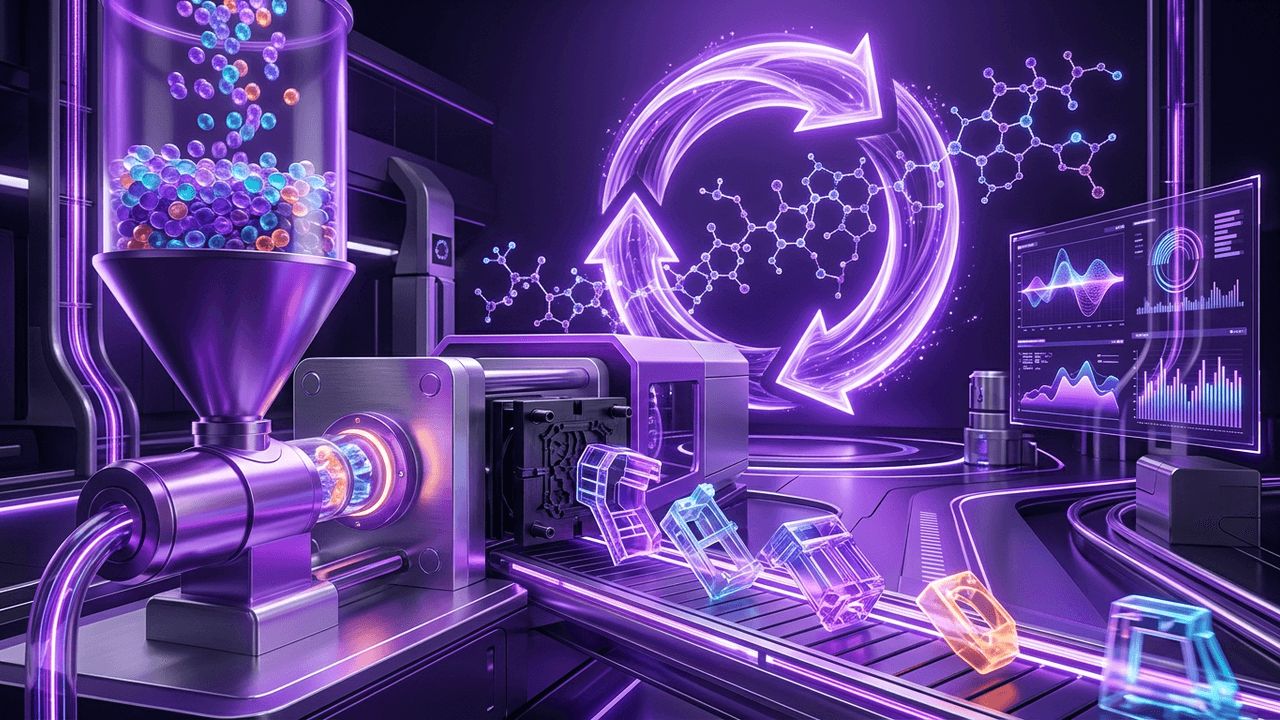
Plastics Manufacturing and Central Indiana
Plastics are everywhere, from medical devices and food packaging to automotive parts and household products. Indiana ranks among the top states for plastics manufacturing, supported by a strong industrial base, central location, and skilled workforce. Carmel businesses in healthcare, consumer products, retail, and manufacturing rely on plastics suppliers for packaging, components, and finished goods.
Carmel's corporate offices also include procurement, engineering, and sustainability professionals who work closely with plastics manufacturers to develop products and meet environmental goals. As recycling and sustainable materials gain importance, the region's plastics industry is evolving rapidly.
How We Selected These Manufacturers
We considered plastics producers and converters with significant operations in Indiana or strong service to Central Indiana customers. Evaluation criteria included product range, quality, innovation, sustainability, and reliability.
The Top 10 Plastic Manufacturers Serving Carmel
1. Berry Global
Headquartered in Evansville, Indiana, Berry Global is one of the largest plastic packaging manufacturers in the world. It produces containers, closures, films, and nonwovens for food, healthcare, and consumer products, and invests heavily in recycled content and circular solutions.
2. SABIC
SABIC operates a major plastics manufacturing site in Mount Vernon, Indiana, producing engineering thermoplastics used in automotive, electronics, and healthcare applications. Its materials help manufacturers create lighter, stronger, and more durable products.
3. Rieke Packaging
Rieke, part of TriMas, has long-standing operations in Auburn, Indiana, producing dispensing systems, closures, and container components. Its pumps and sprayers are used in personal care, household, and industrial products.
4. Amcor
Amcor is a global packaging leader producing flexible and rigid plastic packaging for food, beverage, pharmaceutical, and medical markets. Its focus on recyclable and reusable packaging aligns with growing sustainability expectations.
5. Silgan Plastics
Silgan Plastics manufactures custom bottles, jars, and containers for personal care, food, and household brands. Its design and molding capabilities help brands stand out on store shelves.
6. Toyoda Gosei
Toyoda Gosei produces automotive plastic and rubber components, including interior and exterior parts and safety systems. Its Indiana operations support the state's thriving automotive industry.
7. Pretium Packaging
Pretium Packaging produces rigid plastic containers for food, beverage, healthcare, and specialty markets. Its emphasis on custom solutions and recycled resin use makes it a valuable partner for brands seeking sustainable packaging.
8. Avient
Avient specializes in polymer materials, colorants, and additives that enhance plastic performance and sustainability. Manufacturers across Indiana use its solutions to improve durability, appearance, and recyclability.
9. Sonoco
Sonoco produces a wide range of packaging solutions, including plastic and composite containers. Its sustainability initiatives and broad product portfolio serve food, consumer, and industrial customers.
10. Plastic Recycling Inc
Plastic Recycling Inc, based in Indianapolis, recovers and processes post-industrial and post-consumer plastics into reusable materials. It plays an important role in Indiana's circular economy by helping manufacturers reduce waste.
Plastics Industry Trends
Sustainability is the most important trend reshaping plastics. Brands are committing to recycled content, recyclable designs, and reduced packaging weight. Chemical recycling and advanced sorting technologies are expanding the types of plastics that can be recovered. Indiana manufacturers are investing in recycled resin capacity to meet growing demand.
Lightweighting is another key trend, especially in automotive manufacturing, where plastics replace heavier metal parts to improve fuel efficiency and electric vehicle range. In healthcare, high-performance plastics enable precise, sterile, and single-use medical devices.
How to Choose a Plastics Partner
Define your technical requirements, including material type, strength, temperature resistance, regulatory compliance, and recycled content goals. Evaluate manufacturers on quality certifications, design support, tooling capabilities, and lead times. Ask about sustainability programs and how they can help you reduce environmental impact.
For packaging, consider how design affects shelf appeal, shipping efficiency, and recyclability. For components, prioritize suppliers with strong engineering collaboration and consistent quality control.
Frequently Asked Questions About Plastics Manufacturing
Why is Indiana a leader in plastics? Indiana's central location, strong transportation network, and large automotive and consumer goods industries create steady demand for plastic components and packaging. Major resin producers and converters operate in the state, supported by a skilled manufacturing workforce.
What is the difference between mechanical and chemical recycling? Mechanical recycling cleans, shreds, and melts plastic into new material, which works well for common bottles and containers. Chemical recycling breaks plastics down into their basic building blocks, potentially handling mixed or contaminated materials that are harder to recycle mechanically.
How can a Carmel brand use more recycled plastic? Start by discussing recycled content goals with your packaging supplier, then test materials for appearance, strength, and regulatory compliance. Gradually increasing recycled content, simplifying material choices, and designing for recyclability are practical steps that improve sustainability without sacrificing product performance.
Conclusion
Plastics are essential to modern products, and Indiana is a national leader in their production. Carmel businesses benefit from access to world-class manufacturers offering innovative, high-quality, and increasingly sustainable solutions. By choosing the right plastics partners, companies can create better products while supporting a more circular economy.