
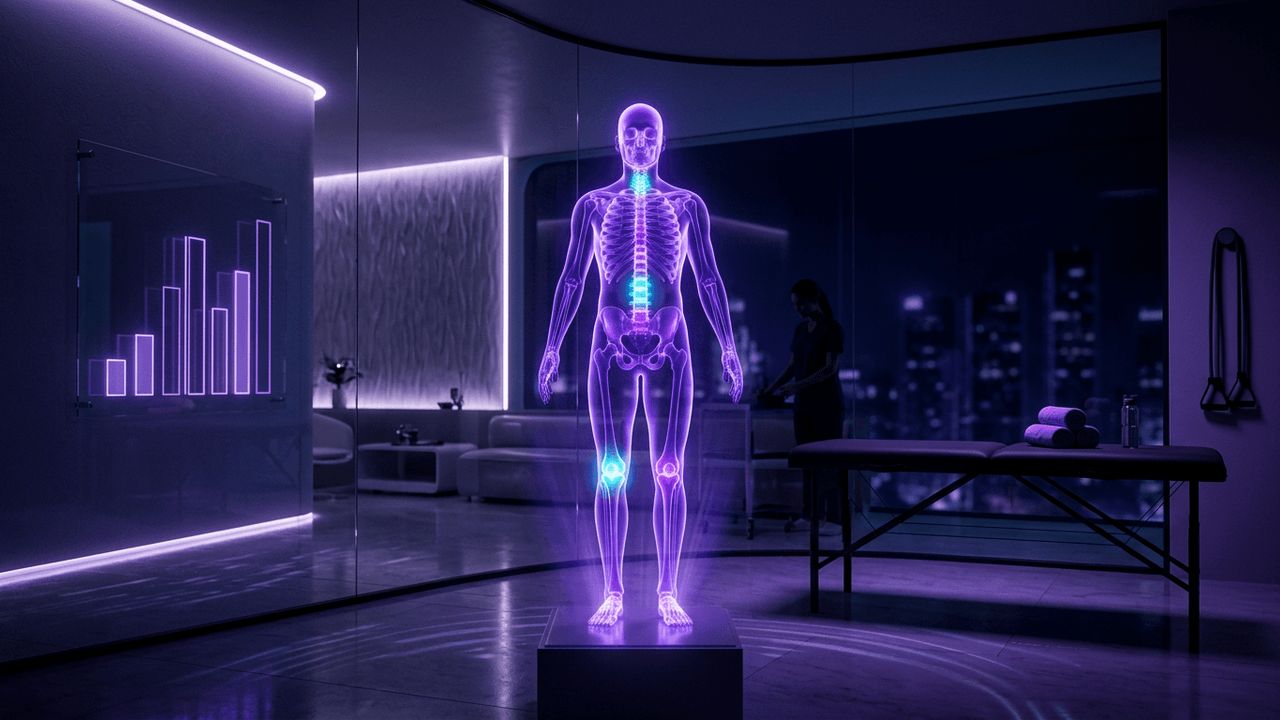
The Growing Role of Physiotherapy in Syracuse
Physiotherapy has become one of the most important parts of modern healthcare in Syracuse. With an active university population, a passionate sports culture centered on college athletics, and a large community of older adults, demand for skilled rehabilitation is strong. Icy sidewalks during winter months also contribute to slips, falls, and orthopedic injuries that require professional recovery support.
Physical therapists help patients restore mobility, reduce pain, and avoid unnecessary surgeries or long-term medication use. The best clinics combine hands-on manual therapy, targeted exercise programs, and patient education so that people can return to work, sport, and daily life with confidence.
How to Evaluate a Physical Therapy Clinic
Look for licensed physical therapists with specialty certifications in orthopedics, sports, neurology, or vestibular rehabilitation. A good clinic offers one-on-one attention rather than rushing patients between multiple tables. Flexible scheduling, convenient locations, and insurance coordination matter too, since most rehabilitation plans involve several visits per week over a period of weeks or months.
The Top 10 Physiotherapy Centers in Syracuse
1. Syracuse Orthopedic Specialists Physical Therapy
Closely integrated with one of the region's largest orthopedic groups, this physical therapy team works directly alongside surgeons. That coordination makes it a natural choice for post-operative rehabilitation after joint replacements, ACL reconstructions, and spine procedures.
2. Upstate Physical Medicine and Rehabilitation
Part of the academic health system, this program offers comprehensive rehabilitation for complex conditions, including stroke recovery, spinal cord injuries, and neurological disorders. Patients benefit from a multidisciplinary approach involving physiatrists and therapists.
3. St. Joseph's Health Rehabilitation Services
St. Joseph's Health provides outpatient therapy with a strong emphasis on cardiac, pulmonary, and orthopedic rehabilitation. Its compassionate care culture and hospital-level resources make it trusted throughout the community.
4. Crouse Health Rehabilitation
Crouse Health offers outpatient physical therapy services focused on helping patients recover function after injury or illness. Its team is known for individualized treatment plans and supportive, encouraging care.
5. ATI Physical Therapy
With multiple clinics across the Syracuse area, ATI makes therapy convenient for people who need appointments close to home or work. The company is recognized for consistent clinical protocols, outcome tracking, and services such as work injury rehabilitation.
6. Ivy Rehab Physical Therapy
Ivy Rehab offers orthopedic and sports therapy with an upbeat, motivating environment. It is popular among athletes and active adults who want to get back to running, lifting, or recreational sports as quickly and safely as possible.
7. Professional Physical Therapy
Professional Physical Therapy provides personalized programs for orthopedic injuries, sports injuries, and post-surgical care. Clinicians focus on manual therapy techniques and functional exercise that translate directly to daily life.
8. Excel Physical Therapy and Wellness
This clinic blends traditional rehabilitation with wellness services, helping patients maintain progress after discharge. Its supportive staff and long-term focus attract people managing chronic back and neck pain.
9. Syracuse University Sports Medicine Partners
The university's athletic community has fostered a strong sports medicine network in the city. Providers associated with this ecosystem bring experience treating high-level athletes, which benefits weekend warriors and student-athletes alike.
10. Independent Pelvic Health and Vestibular Specialists
Syracuse is home to several smaller specialty practices that focus on pelvic floor therapy, balance disorders, and vertigo treatment. These clinics fill an important gap for patients whose needs fall outside general orthopedic care.
Key Trends in Physical Therapy
Direct access laws in New York allow patients to see a physical therapist for a limited period without a physician referral, making care faster and more convenient. Clinics are increasingly using motion analysis, blood flow restriction training, and dry needling to accelerate recovery. Telehealth exercise check-ins have also become a valuable tool, particularly during heavy winter weather when travel is difficult. Many practices now emphasize prevention, offering injury screening for runners, golfers, and youth athletes.
Benefits of Choosing the Right Clinic
The right physiotherapy center can dramatically shorten recovery times, reduce the risk of reinjury, and help patients avoid surgery in some cases. A strong therapist relationship also improves motivation, which is one of the biggest predictors of successful rehabilitation. Patients who understand their condition and their home exercise program tend to see lasting results.
Questions to Ask Before You Start
Ask how many patients a therapist sees at once, how progress will be measured, and what your home program will look like. Inquire about specialty experience related to your condition and whether the clinic communicates with your surgeon or primary care physician. Clarifying insurance coverage and visit limits upfront can also prevent surprises later.
Frequently Asked Questions
Do I need a referral to see a physical therapist in Syracuse?
New York allows direct access to physical therapy for a limited number of visits or days without a referral, though some insurance plans still require one for coverage. Check with your insurer before your first appointment to avoid unexpected bills.
How long does a typical rehabilitation program last?
It depends on the injury and your goals. Minor strains may improve in a few weeks, while recovery after joint replacement or ligament reconstruction can take several months. Consistent attendance and diligent home exercise make the biggest difference in how quickly you progress.
What should I wear to my appointments?
Choose comfortable, loose clothing that allows the therapist to access and move the affected area. Supportive athletic shoes are recommended for lower-body rehabilitation, and layers are wise during Syracuse winters when clinics may feel cool on arrival.
Conclusion
Syracuse offers an impressive range of physiotherapy options, from hospital-based rehabilitation programs to nimble specialty clinics. Whether you are recovering from knee surgery, battling persistent back pain, or preparing for your next race, the clinics on this list have the expertise and dedication to help you move better and feel stronger.