
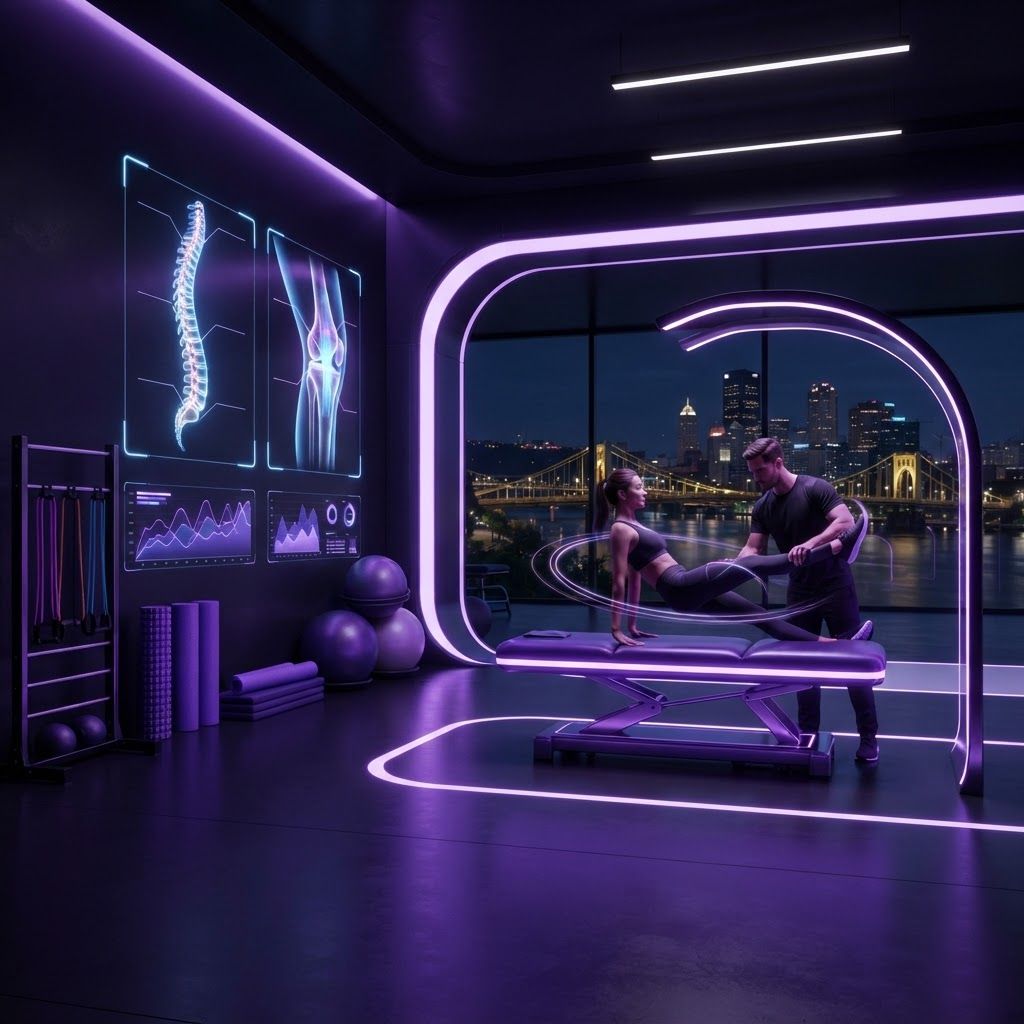
Why Physical Therapy Is Central to Pittsburgh Healthcare
Physical therapy has moved from an afterthought following surgery to a primary treatment strategy in its own right. Evidence now favors structured exercise and manual therapy over imaging and injections for many musculoskeletal complaints, and Pennsylvania permits direct access, meaning patients can begin treatment without a physician referral in most circumstances. In a city with an industrial history, aging housing stock full of stairs, and a genuinely hilly geography, mobility problems arrive early and matter enormously.
Pittsburgh's rehabilitation network reflects that demand. Hospital-affiliated outpatient clinics, independent practices, sports performance facilities, and specialized pelvic health and neurologic rehab programs all operate at scale, often within a few miles of one another.
How to Evaluate a Physiotherapy Provider
The single most important variable is one-on-one time with a licensed physical therapist. Clinics that stack four patients per therapist and delegate most treatment to aides produce weaker outcomes than practices protecting thirty to sixty minutes of hands-on, individualized care. Ask directly how long sessions run and who provides them.
Specialization matters next. A therapist with orthopedic clinical specialist credentials, vestibular training, or pelvic floor certification brings substantially more depth to those conditions than a generalist. Finally, look for objective measurement. Good programs quantify range of motion, strength, and functional benchmarks at intake and reassess periodically instead of relying on vague reports of feeling better.
The Top 10 Physiotherapy Centers in Pittsburgh
1. UPMC Centers for Rehab Services operates the region's most extensive network, with subspecialty programs spanning sports medicine, neurologic rehabilitation, lymphedema, hand therapy, and post-surgical protocols coordinated directly with referring surgeons.
2. AHN Physical Therapy provides comparable breadth with locations throughout Allegheny County, strong orthopedic pathways, and integration with the health system's pain management and spine programs.
3. Pittsburgh Physical Therapy and Sports Medicine focuses on active adults and athletes, blending manual therapy with progressive loading and return-to-sport testing rather than discharging patients at the first pain-free day.
4. Athletico Physical Therapy brings a consistent, protocol-driven model to numerous suburban locations, valued for scheduling flexibility and clear home exercise programming delivered through digital tools.
5. Ability Physical Therapy serves patients with neurologic conditions including stroke, Parkinson disease, and multiple sclerosis, using gait training and balance work that meaningfully reduces fall risk.
6. Pelvic health specialty practices in the East End address postpartum recovery, incontinence, and pelvic pain, a category historically underserved and now among the fastest growing in the field.
7. Steel Valley Physical Therapy earns loyalty in the Mon Valley for workers compensation and industrial injury rehabilitation, with functional capacity evaluations that help patients return to physically demanding jobs safely.
8. UPMC Rooney Sports Complex rehabilitation programs combine sports science, performance testing, and injury rehab in a single facility, drawing collegiate and competitive amateur athletes from across the region.
9. Home-based therapy providers serving Allegheny County are essential for post-hospital patients who cannot yet travel. Treating someone in their actual stairwell and bathroom often reveals obstacles no clinic gym replicates.
10. Aquatic therapy programs at local community centers and hospital pools deserve mention for patients whose joints cannot yet tolerate land-based loading, particularly after knee and hip replacement or during severe arthritis flares.
Conditions That Respond Best to Rehabilitation
Low back pain leads the list, and current evidence strongly supports active treatment over rest. Rotator cuff dysfunction, tendinopathy of the Achilles and patellar tendons, and lateral hip pain all improve substantially with graded loading programs delivered over eight to twelve weeks. Post-operative rehabilitation after joint replacement and ligament reconstruction determines long-term function more than the surgery itself in many cases.
Balance and vestibular disorders are frequently overlooked. Benign paroxysmal positional vertigo often resolves within one or two visits using repositioning maneuvers, sparing patients months of unnecessary caution and medication.
What Progress Should Look Like
Expect an initial evaluation lasting close to an hour, a working diagnosis explained in plain language, and a written home program from the first week. Meaningful change in pain and function typically appears within three to four weeks, though tissue remodeling continues far longer. Plateaus are normal, but a program that never advances in difficulty is a warning sign. Adherence to home exercise is the strongest predictor of outcome, which is why realistic programs of a few key movements outperform ambitious lists nobody completes.
Insurance and Access Considerations
Most plans cover physical therapy with a copay or coinsurance, sometimes limited to a fixed visit count per year. Verify that limit early and plan the course of care around it, front-loading skilled sessions and transitioning to independent maintenance. Cash-pay models have grown among specialized Pittsburgh practices offering longer appointments; for complex problems, fewer high-quality visits can cost less overall than many rushed ones.
Choosing Well and Staying Well
Interview the clinic before committing. Ask about therapist caseload, specialization relevant to your condition, expected visit frequency, and how discharge is determined. Once treatment ends, keep the two or three exercises that made the biggest difference, because strength and mobility gains reverse within weeks of stopping. Pittsburgh's terrain rewards a durable body, and consistent maintenance is far cheaper than a second course of rehab.