
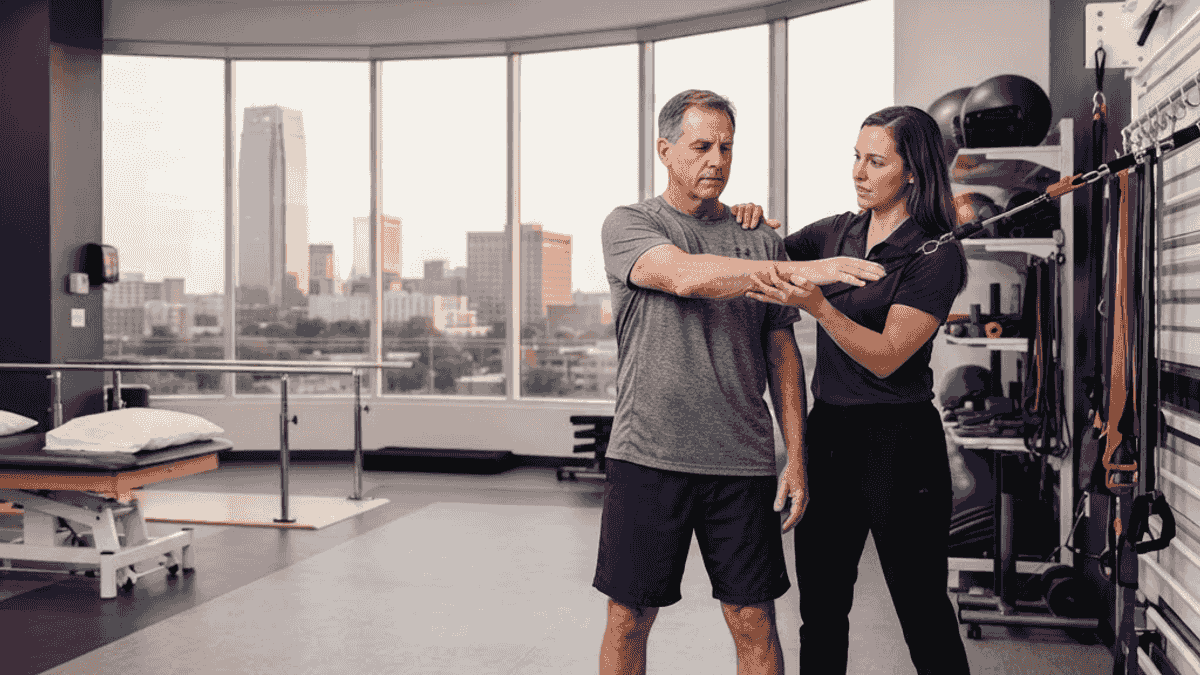
Choosing physical therapy in Oklahoma City
Physical therapy can help restore strength, mobility, balance, and confidence after an injury, operation, illness, or period of inactivity. In Oklahoma City, patients can select from hospital-based rehabilitation departments, independent clinics, sports-focused practices, and providers specializing in pelvic health or neurological recovery. A productive program should begin with a careful evaluation and measurable goals rather than a generic exercise sheet.
The centers below represent well-known options across the metro. They differ in scale and emphasis, so prospective patients should verify insurance, referral requirements, clinician credentials, and experience with their diagnosis.
1. Physical Therapy Central
Physical Therapy Central operates multiple Oklahoma locations and is recognized for outpatient orthopedic rehabilitation. Its clinicians work with joint pain, sports injuries, post-operative recovery, and movement limitations. A broad clinic network can make scheduling and continuity easier for patients who live or work in different parts of the Oklahoma City metro.
2. Therapy in Motion
Therapy in Motion offers rehabilitation for orthopedic conditions, balance problems, sports injuries, and recovery after surgery. The practice emphasizes individualized treatment and hands-on techniques alongside progressive exercise. Patients often benefit when therapists explain why each activity matters and provide a realistic home program between visits.
3. Mercy Therapy Services
Mercy's Oklahoma City rehabilitation services operate within a larger health system, supporting coordination with physicians, imaging, and surgical teams. This model can be particularly useful after joint replacement, neurological events, or complex hospitalization. Depending on location, services may include physical, occupational, and speech therapy, creating a more comprehensive recovery pathway.
4. INTEGRIS Health Jim Thorpe Rehabilitation
Jim Thorpe Rehabilitation is a major name in Oklahoma rehabilitation care. Its programs cover serious injuries, stroke, brain and spinal cord conditions, amputations, and orthopedic recovery. The differentiator is multidisciplinary care: rehabilitation physicians, nurses, therapists, and other specialists can collaborate for patients whose needs extend beyond a standard outpatient visit.
5. SSM Health Physical Therapy
SSM Health provides outpatient physical therapy across the region, treating musculoskeletal injuries, post-surgical limitations, balance disorders, and work-related conditions. Integration with a medical system can simplify communication with referring clinicians. Patients should ask whether a particular location offers specialty services such as vestibular or hand therapy.
6. Select Physical Therapy
Select Physical Therapy has clinics in the Oklahoma City area and delivers orthopedic, sports, and occupational rehabilitation. A national provider can bring standardized clinical resources while local therapists tailor plans to individual needs. Its services may suit active adults, workers returning after injury, and patients rebuilding capacity after surgery.
7. Valir Physical Therapy
Valir is an Oklahoma-based rehabilitation organization with outpatient clinics and a broader continuum of care. Treatment commonly addresses pain, weakness, mobility restrictions, and sports-related concerns. Its local roots and rehabilitation focus make it a familiar option for patients moving from physician evaluation into structured therapy.
8. Stretch U
Stretch U emphasizes assisted stretching and mobility rather than replacing licensed medical rehabilitation. It may complement an established wellness routine for clients seeking flexibility and recovery support. Anyone with a recent injury, neurological symptoms, or post-operative restrictions should first obtain clinical guidance and understand whether physical therapy is the more appropriate level of care.
9. Redbud Physical Therapy
Redbud Physical Therapy serves Oklahoma communities with outpatient care for orthopedic problems, sports injuries, and post-surgical rehabilitation. The clinic model emphasizes one-to-one assessment, progressive strengthening, and functional goals. Convenience matters because consistent attendance is strongly associated with better adherence and a smoother return to activity.
10. OU Health Rehabilitation Services
OU Health offers rehabilitation connected to academic and specialty medicine. This environment can be valuable for patients with complex diagnoses, pediatric needs, neurological disorders, or recovery plans involving multiple specialists. Access to a teaching health system may also support evidence-informed protocols and advanced clinical collaboration.
What effective physiotherapy looks like
A quality evaluation considers pain behavior, joint mobility, strength, gait, balance, daily demands, and the patient's own priorities. Treatment can combine therapeutic exercise, manual therapy, neuromuscular retraining, education, and graded exposure to meaningful activity. Passive treatments may reduce symptoms, but lasting improvement usually depends on active participation and a plan that progresses over time.
Ask how success will be measured. Useful outcomes include walking distance, range of motion, strength, work tolerance, sleep quality, or the ability to perform a specific task. Patients should also understand expected soreness, warning signs, and how the home program changes as they improve.
Local needs and emerging trends
Oklahoma City's mix of desk-based work, construction, energy-sector employment, recreational sports, and long driving distances creates varied rehabilitation needs. Clinics increasingly use remote check-ins, motion analysis, blood-flow restriction training when appropriate, and return-to-sport testing. These tools are most effective when guided by sound clinical reasoning rather than used as novelties.
The best physiotherapy center is not necessarily the largest or closest. It is the one with relevant expertise, consistent communication, practical scheduling, and a therapist who helps the patient understand and own the recovery process.