
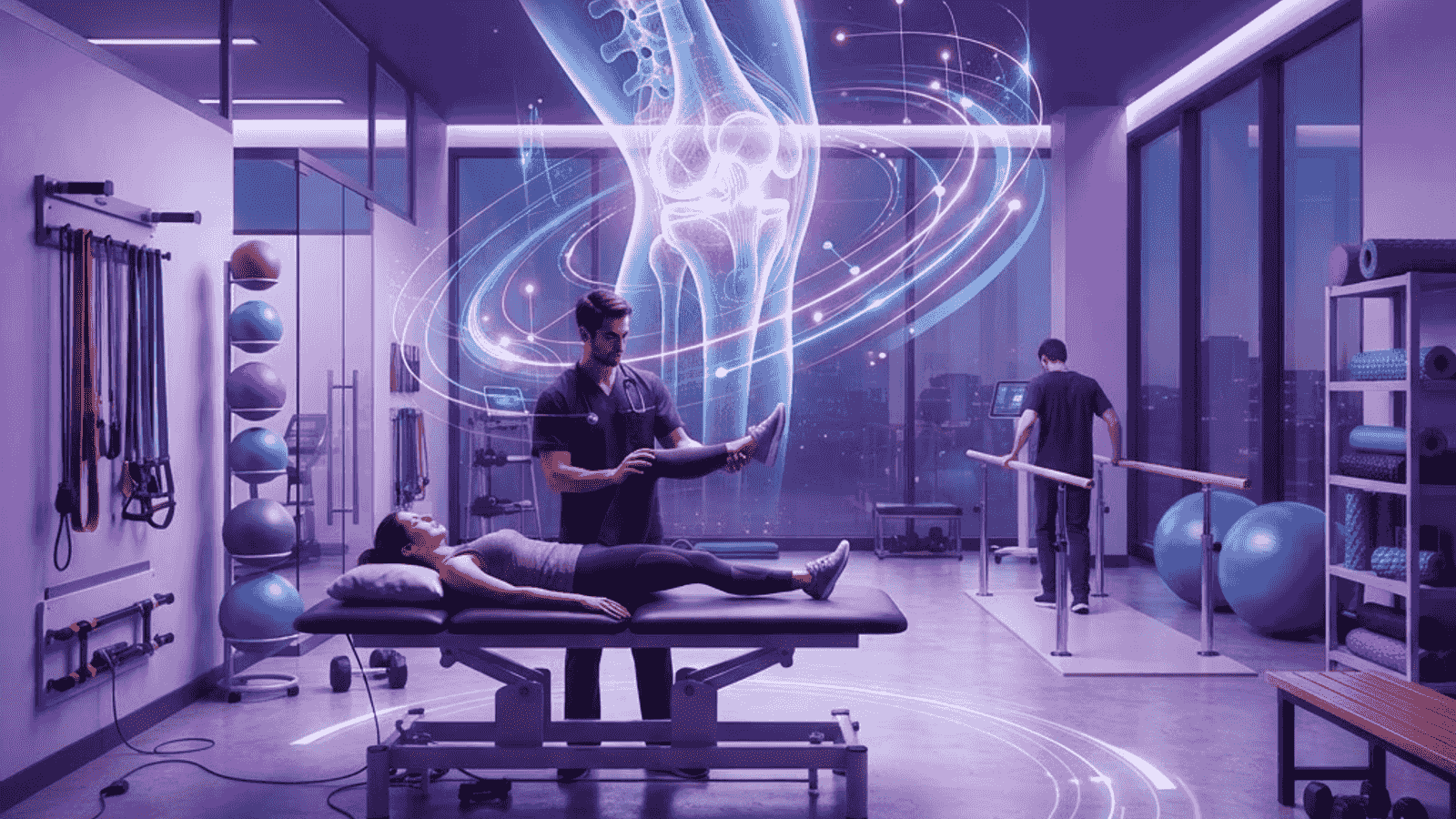
Physiotherapy as the Foundation of Recovery
Physical therapy is one of the most evidence-supported interventions in medicine, and in many conditions it outperforms surgery or long-term medication. Low back pain, rotator cuff dysfunction, knee osteoarthritis, ankle instability and post-stroke mobility loss all respond to structured, progressive loading and neuromuscular retraining. The difficulty for patients is that clinic quality varies enormously, and the difference is rarely visible from the outside.
Miami's physiotherapy sector reflects the city's lifestyle. Demand comes from an active outdoor population that runs, cycles, swims, plays tennis and trains in gyms year round; from a large older adult community managing arthritis, balance and post-surgical recovery; and from a professional workforce dealing with desk-related neck and shoulder problems. Add a significant orthopaedic surgery volume and the result is a broad, competitive market.
The Ten Best Physiotherapy Centers in Miami
1. University of Miami Sports Medicine and Rehabilitation. Academic rehabilitation services integrated with orthopaedic surgery and sports medicine, offering post-operative protocols, return-to-sport testing and gait analysis. This is a strong option for complex post-surgical cases where the therapy plan must align closely with the surgeon.
2. Baptist Health Rehabilitation Services. A large outpatient network across Miami-Dade covering orthopaedic, neurological, cardiac and pelvic health rehabilitation. Its advantage is coordination with referring physicians and consistency of protocol across locations.
3. Jackson Rehabilitation Center. Serving one of the busiest trauma systems in the country, Jackson's rehabilitation services handle spinal cord injury, traumatic brain injury, amputation and severe orthopaedic trauma. Few facilities in the region carry comparable experience with catastrophic injury recovery.
4. Miami Physical Therapy Associates. A long-established outpatient practice focused on manual therapy, orthopaedic rehabilitation and individualised exercise progression. Practices in this category typically offer longer one-to-one sessions than high-volume clinics.
5. Sports Medicine and Performance Centers of Brickell. Combining physiotherapy with strength coaching and movement screening, these centres serve recreational and competitive athletes who want performance improvement alongside injury resolution. Return-to-play criteria are usually objective rather than time-based.
6. Nicklaus Children's Rehabilitation Services. Paediatric physiotherapy addressing developmental delay, cerebral palsy, torticollis, sports injuries in adolescents and post-surgical recovery. Paediatric rehabilitation requires different motivational and developmental frameworks than adult care.
7. Neurological Rehabilitation Centers of Miami. Specialised neurological physiotherapy for stroke, Parkinson's disease, multiple sclerosis and vestibular disorders, often using intensive protocols, body-weight-supported gait training and balance retraining. Vestibular rehabilitation in particular resolves many cases of chronic dizziness that medication cannot.
8. Pelvic Health Physical Therapy Practices of Coral Gables. Pelvic floor physiotherapy treats incontinence, pelvic pain, postpartum recovery and post-prostatectomy dysfunction. It is an underused specialty with strong evidence and growing availability in Miami.
9. Aquatic Therapy Programs of South Miami. Water-based rehabilitation reduces joint loading while allowing early movement, which is valuable in advanced osteoarthritis, obesity-related mobility limitation and early post-operative phases. Miami's climate makes year-round aquatic programmes practical.
10. Home Health Physical Therapy Providers of Miami-Dade. Licensed therapists delivering rehabilitation in the home, essential for patients discharged after joint replacement, stroke or extended hospitalisation who cannot travel. Home programmes also allow environment-specific safety and fall-prevention work.
How to Evaluate a Physiotherapy Clinic
The single most important question is how much time you will spend with a licensed therapist versus an aide. In high-volume clinics a patient may see the therapist for ten minutes and complete the remainder of the session unsupervised. For complex or painful conditions, that model produces slower progress.
Ask whether the clinic measures outcomes objectively. Range of motion, strength testing, functional scores and validated questionnaires allow both patient and therapist to see whether the plan is working. Ask how the plan changes if progress stalls, because a competent clinician will describe specific decision points rather than simply extending the same programme.
Confirm specialisation. Orthopaedic, neurological, vestibular, pelvic and paediatric rehabilitation require different training. A clinic that claims equal expertise in all of them without specialist certifications deserves scrutiny.
Insurance, Access and Cost
Florida allows direct access to physical therapy for an initial period without a physician referral in many circumstances, though insurance plans may still require one for coverage. Verify visit limits, copayment amounts and whether authorisation is needed, since plans frequently cap annual visits well below what a full recovery requires.
Cash-pay and hybrid models have grown in Miami, often offering longer one-to-one sessions at a transparent rate. For patients with high deductibles, this can be both cheaper and more effective than insurance-billed high-volume care.
Trends in Rehabilitation
Blood flow restriction training is increasingly used to build strength at low loads during early post-operative recovery. Telerehabilitation has proven effective for exercise progression and adherence monitoring between in-person visits. Wearable sensors and force plates now allow objective measurement of asymmetry and load tolerance that was previously available only in laboratories.
There is also a clear shift toward active over passive care. Modalities such as ultrasound and prolonged manual therapy alone are being replaced by graded exercise, education and load management, which the evidence supports far more strongly.
Final Thoughts
Miami offers physiotherapy for every need, from catastrophic injury rehabilitation to performance-focused sports work and specialised pelvic and vestibular care. Choose based on condition-specific expertise, insist on genuine one-to-one time with a licensed therapist, and expect objective measurement of your progress rather than a fixed number of generic sessions.