
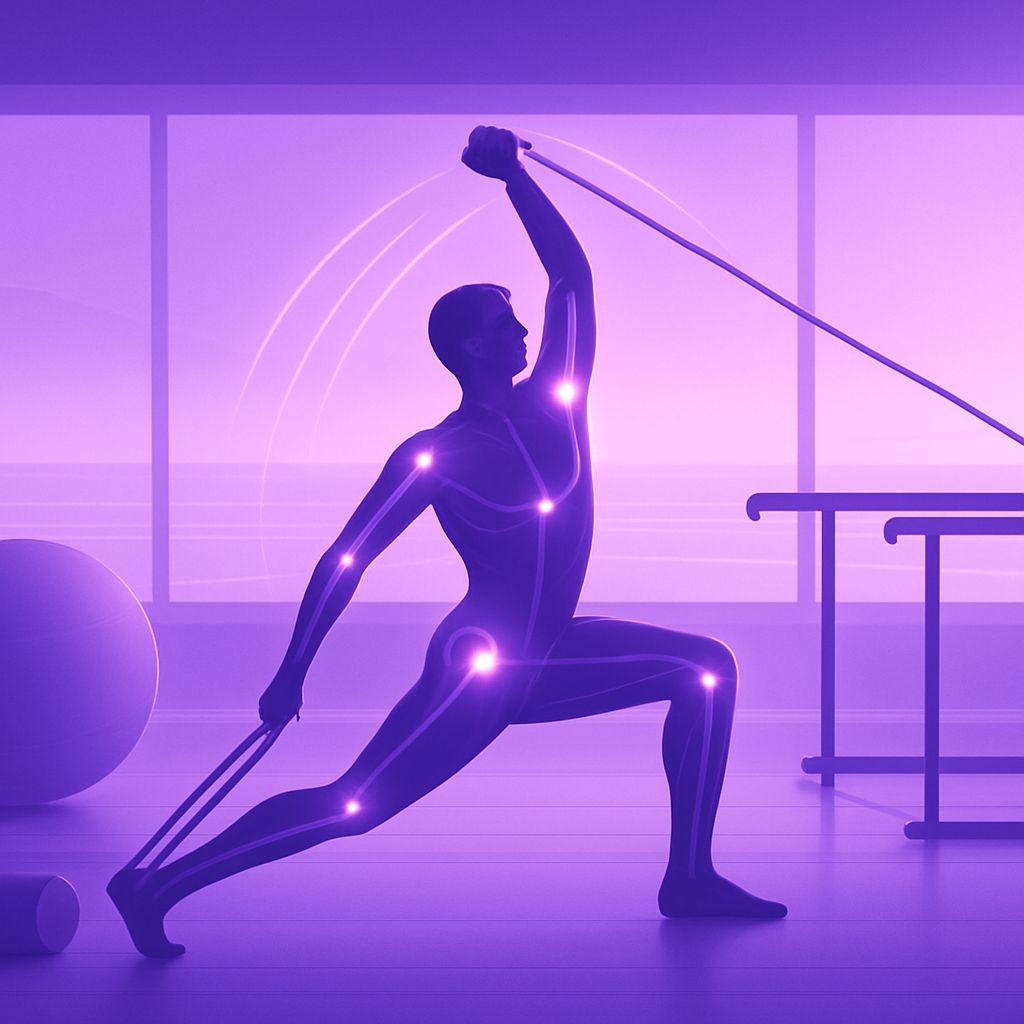
What Physical Therapy Actually Does
Physical therapy is often misunderstood as a series of exercises anyone could do at home. In practice it is a clinical discipline built on movement assessment, manual treatment, progressive loading and neuromuscular retraining. A skilled therapist identifies why a problem exists, not just where it hurts, which is why shoulder pain sometimes traces to thoracic mobility and knee pain to hip weakness.
In Corpus Christi the demand profile is distinctive. Industrial and refinery work produces lifting injuries and repetitive strain. Marine and fishing occupations generate shoulder and back problems. An active recreational population creates sports injuries, and an aging population needs post-surgical rehabilitation, balance training and stroke recovery. Local clinics have developed accordingly, with several specializing in specific populations.
Areas of Specialization
Orthopedic therapy addresses joint, muscle and post-surgical recovery, the largest category by volume. Neurological rehabilitation serves patients after stroke, brain injury or with conditions such as Parkinson disease and multiple sclerosis, focusing on gait, balance and functional independence. Aquatic therapy uses water to reduce joint loading, which suits arthritis, obesity and early post-operative phases particularly well. Pediatric therapy addresses developmental delay and congenital conditions. Vestibular therapy treats dizziness and balance disorders. Industrial rehabilitation returns injured workers to job-specific physical demands.
The Best Physiotherapy Centers in Corpus Christi
Bayfront Physical Therapy provides comprehensive orthopedic and post-surgical rehabilitation with one-on-one treatment time, manual therapy and progressive strength programming rather than assembly-line group sessions.
Coastal Bend Sports Rehabilitation focuses on athletic injury recovery and return-to-play testing, working with school and recreational athletes on movement mechanics and reinjury prevention.
Nueces Neurological Rehabilitation specializes in stroke and neurological recovery, offering gait training, balance retraining and functional task practice supported by therapists with neurologic certification.
Padre Aquatic Therapy Center operates a heated therapy pool for arthritis, post-surgical and weight-sensitive patients, allowing movement earlier in recovery than land-based programs permit.
Harbor Hand and Upper Extremity Therapy concentrates on hand, wrist and elbow rehabilitation including custom splinting, tendon protocols and post-fracture recovery led by certified hand therapists.
Whitecap Spine and Back Care treats chronic low back and neck pain using graded exposure, core stabilization, postural retraining and education aimed at reducing fear of movement.
Mustang Pediatric Therapy Services serves children with developmental delay, cerebral palsy, torticollis and coordination disorders, coordinating with families and schools on carryover at home.
Corpus Christi Industrial Rehab works with employers on functional capacity evaluation, work conditioning and job-specific return-to-duty programs for refinery, port and construction workers.
Laguna Balance and Vestibular Clinic addresses dizziness, vertigo and fall risk with vestibular rehabilitation, canalith repositioning and progressive balance training for older adults.
Coastal Geriatric Mobility Center completes the list with programs for older adults focused on strength, gait, transfer safety and fall prevention, often coordinating with home health services.
Choosing the Right Clinic
Ask about treatment structure before committing. How much time does the therapist spend directly with you versus a technician supervising exercises? Will you see the same therapist consistently? How many patients does the therapist treat simultaneously? One-on-one care with a consistent clinician produces better outcomes than high-volume models, and clinics differ substantially on this point.
Verify credentials and specialization relevant to your condition. Board certification in orthopedics, neurology, sports or geriatrics indicates advanced training. For post-surgical rehabilitation, ask whether the clinic follows your surgeon's protocol and communicates with the surgical team. Confirm insurance coverage, visit limits and authorization requirements, since therapy benefits are frequently capped in ways patients discover mid-course.
Getting Results From Therapy
Outcomes depend heavily on patient participation, more than in most areas of medicine. Home exercise programs are the mechanism through which tissue adapts, and skipping them while attending sessions faithfully produces disappointing results. Do the prescribed work, and tell your therapist honestly when you are not managing it so the program can be adjusted to something realistic.
Communicate about pain accurately. Some discomfort during rehabilitation is expected and productive, while sharp pain, swelling or symptoms lasting well beyond a session indicate the program needs modification. Set functional goals rather than vague ones: returning to fishing without shoulder pain, climbing stairs without a railing or lifting a grandchild safely gives the therapist a concrete target and gives you a way to measure progress.
Be patient with timelines. Soft tissue healing and strength adaptation follow biological schedules that motivation cannot compress. Most orthopedic conditions require several weeks to months, and neurological recovery often continues for a year or longer with appropriate stimulation.
Access and Prevention
Texas allows direct access to physical therapy within certain limits, meaning you can often begin evaluation without a physician referral, though insurance may still require one for coverage. Early intervention generally shortens total treatment, so delaying care while hoping a problem resolves frequently costs more in the end.
Prevention deserves equal attention. Workplace ergonomics, proper lifting mechanics, regular strength training, adequate hydration in coastal heat and gradual progression in recreational activity prevent a large share of the injuries clinics treat. Several local clinics offer screening and injury prevention programs for employers and athletic organizations, which is considerably cheaper than rehabilitation.
Final Thoughts
Physiotherapy in Corpus Christi covers the full spectrum from athletic performance to neurological recovery and industrial return-to-work. Choose a clinic based on specialization matching your condition, consistent one-on-one care and clear communication about goals and timelines. Then do the home program. The therapist provides the plan and the skilled hands, but the adaptation happens in the work you do between visits.