
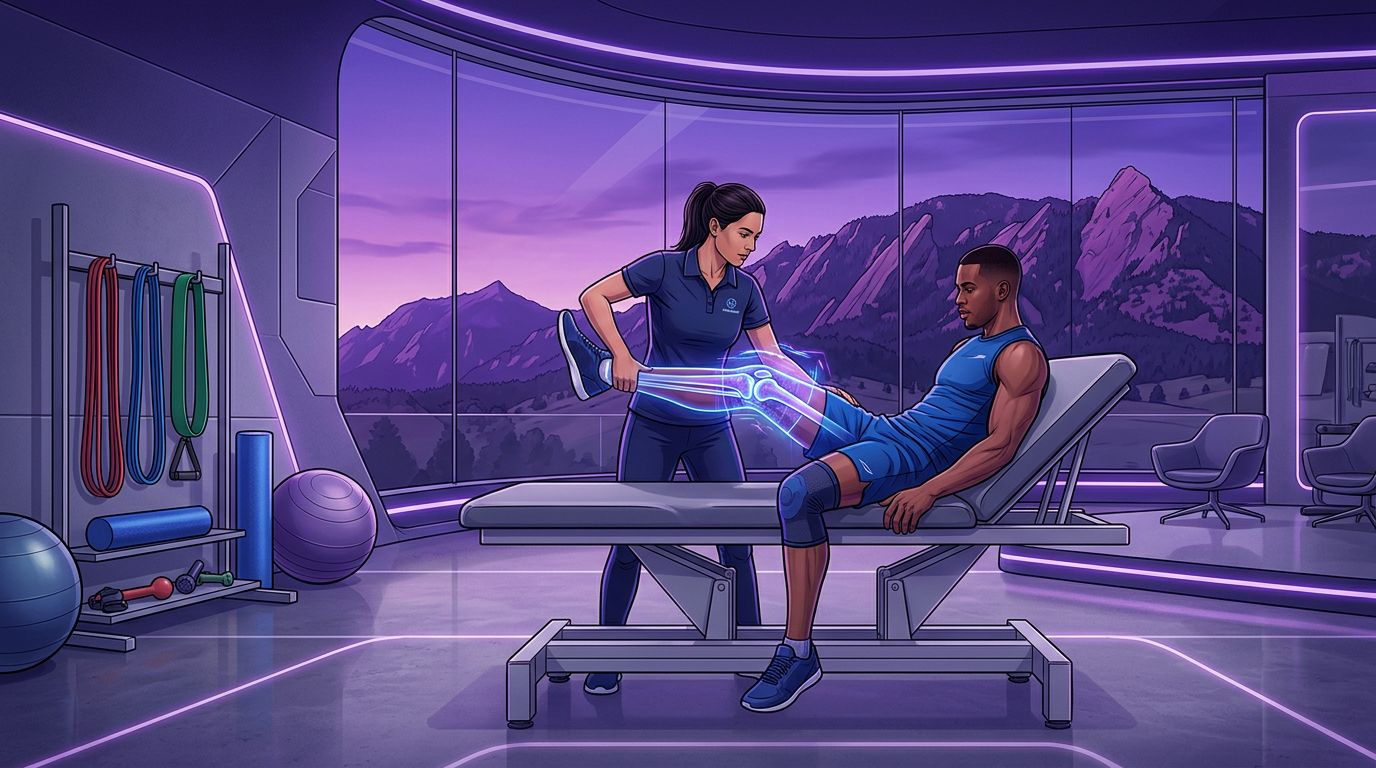
Why Physiotherapy Matters in Boulder
Boulder is often called the fitness capital of the United States. Elite triathletes, ultrarunners, climbers, and cyclists train here year-round, and everyday residents are just as active on trails and ski slopes. With that activity comes the occasional sprain, strain, or overuse injury. Physiotherapy helps people recover faster, prevent future injuries, and maintain mobility as they age.
The following ten physiotherapy centers are known for skilled clinicians, evidence-based treatment, and a deep understanding of the demands of an active lifestyle.
1. CU Sports Medicine and Performance Center
Located on the University of Colorado campus, this center serves both CU athletes and the public. Its physical therapists, sports medicine physicians, and performance specialists offer injury rehabilitation, gait analysis, bike fitting, and running assessments using cutting-edge technology.
2. Boulder Community Health Mapleton Center
The Mapleton Center provides comprehensive outpatient rehabilitation, including orthopedic, neurological, and vestibular therapy. Its integration with Boulder Community Health makes it ideal for patients recovering from surgery or complex conditions.
3. Boulder Centre for Orthopedics and Spine
This orthopedic practice offers on-site physical therapy alongside its surgeons and sports medicine physicians. Coordinated care between surgeons and therapists helps patients progress smoothly from injury to full function.
4. Peak Form Medical Clinic
Peak Form blends physical therapy with sports medicine and integrative treatments. It is popular with endurance athletes thanks to its expertise in running injuries and performance optimization.
5. Panorama Orthopedics and Spine Center
Panorama is one of the largest orthopedic groups in Colorado and offers physical therapy services in the Boulder area. Patients benefit from a large network of specialists and a full continuum of care.
6. Alpine Physical Therapy
Independent clinics like Alpine Physical Therapy focus on one-on-one, hands-on care with longer appointment times. Manual therapy, dry needling, and personalized exercise programs are hallmarks of this approach.
7. Upstream Physical Therapy
Upstream emphasizes movement quality and active recovery for climbers, runners, and skiers. Its clinicians are known for thorough evaluations that identify the root causes of recurring pain.
8. Intermountain Health Rehabilitation
Intermountain operates outpatient rehab clinics throughout Boulder County, providing orthopedic, pelvic health, and post-surgical therapy. Wide availability and insurance acceptance make it accessible to many patients.
9. UCHealth Physical Therapy
UCHealth offers physical therapy at regional clinics with access to University of Colorado specialists. Its programs cover sports injuries, spine care, and neurological rehabilitation.
10. Excel Physical Therapy and Wellness Studios
Boutique wellness-focused therapy studios in Boulder combine physical therapy with Pilates, strength training, and mobility classes. This hybrid model helps patients transition from rehab to long-term fitness in one supportive setting.
Trends in Physiotherapy
Direct access laws in Colorado allow patients to see a physical therapist without a physician referral, making care faster and more convenient. Dry needling, blood flow restriction training, and shockwave therapy are increasingly popular treatment tools. Wearable sensors and motion capture technology help therapists measure progress precisely. Telehealth follow-ups and home exercise apps keep patients engaged between visits. Pelvic health and concussion rehabilitation are also growing specialties.
How to Choose a Physical Therapist
Look for clinicians with experience in your specific injury or sport, and ask about board certifications in orthopedic or sports physical therapy. Consider appointment length and whether you will see the same therapist each visit. Check insurance coverage and ask about cash-pay rates if needed. A good therapist will set clear goals and teach you how to manage your condition independently.
Common Injuries Treated in Boulder
Physical therapists in Boulder see a distinctive mix of injuries tied to the local lifestyle. Runners often present with plantar fasciitis, IT band syndrome, and stress reactions. Climbers frequently experience finger pulley strains and shoulder impingement. Cyclists deal with knee pain and lower back discomfort linked to bike fit, while skiers return in spring with knee ligament injuries. Clinicians who understand these sports can design rehabilitation programs that mimic real activity demands, which improves outcomes and helps prevent reinjury.
Prevention Is the Best Treatment
Many Boulder clinics now offer preventive screenings, movement assessments, and strength programs designed to catch problems before they become injuries. Building hip and core strength, gradually increasing training load, and prioritizing sleep and recovery can dramatically reduce injury risk. Investing in a single assessment at the start of a new training season is often far less expensive than months of rehab later.
Frequently Asked Questions
Do I need a referral to see a physical therapist in Boulder? Colorado allows direct access, though some insurance plans still require a referral for coverage. How many sessions will I need? It depends on the injury, but many patients see meaningful progress within four to eight visits combined with a consistent home exercise program. What should I wear? Comfortable athletic clothing that allows easy access to the injured area works best, and bringing your running shoes or cycling gear can help therapists assess sport-specific movement.
Final Thoughts
Boulder's physiotherapy centers reflect the city's passion for movement. Whether you are recovering from surgery, training for a race, or simply want to move without pain, the clinics on this list provide the expertise to keep you active and thriving.