
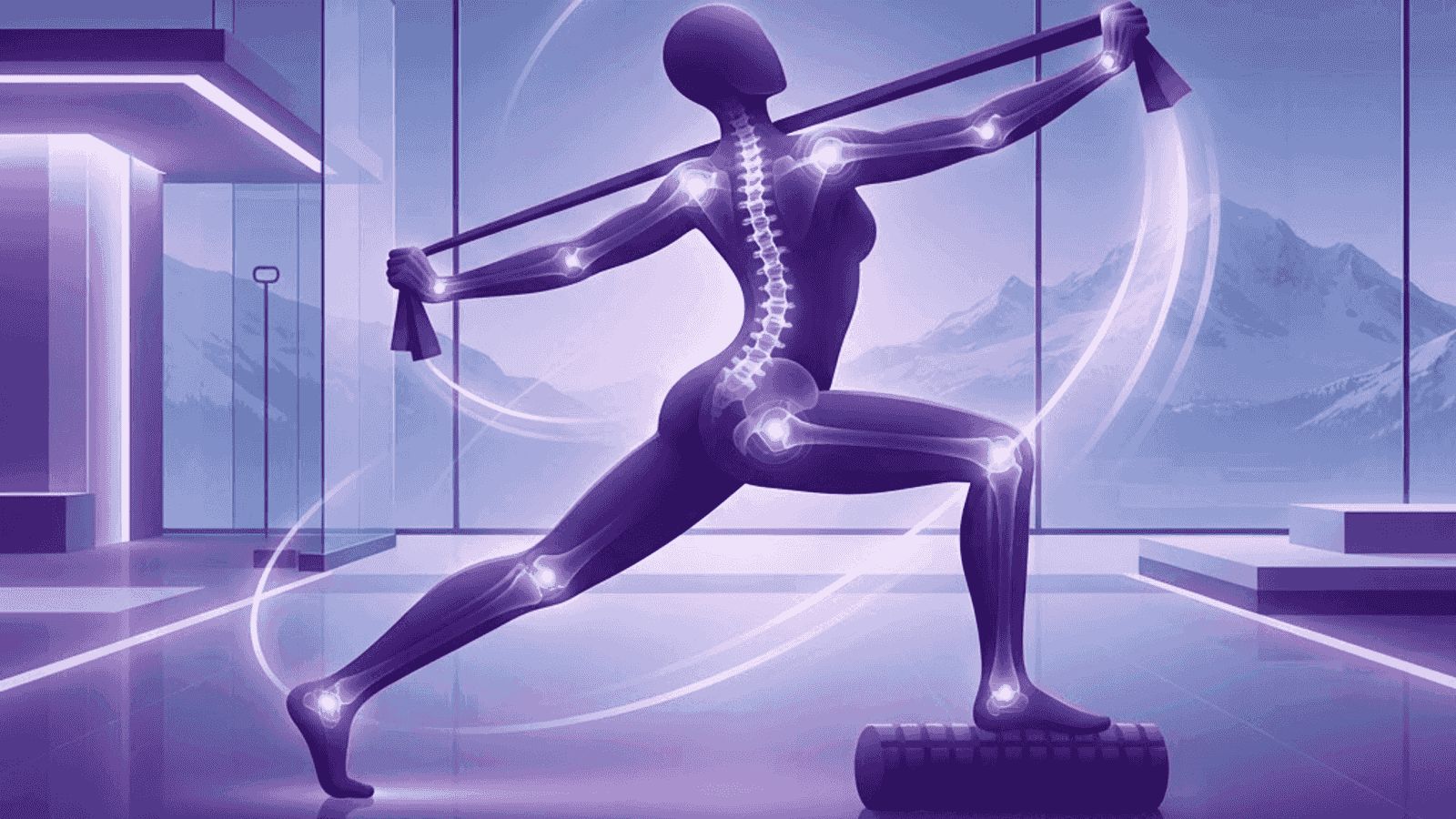
An Active City with Demanding Recovery Needs
Anchorage residents ski, climb, run trails, fish, hunt, haul gear, and shovel a great deal of snow. That activity profile generates a distinctive injury pattern: knee ligament injuries from backcountry skiing, shoulder problems from paddling and lifting, low back strain from winter shoveling and heavy occupational work, and ankle instability from uneven trail running. Add a workforce concentrated in construction, aviation, resource extraction, and commercial fishing, and physical therapy in Anchorage becomes less about gentle rehabilitation and more about returning people to genuinely demanding physical function.
Local clinics have adapted. Many emphasize sport-specific and job-specific return criteria rather than generic discharge milestones, and several build seasonal programming around pre-ski conditioning, hunting season preparation, and winter fall prevention for older adults. The city's compact geography also means most residents can reach several qualified clinics, which makes fit and philosophy, not just proximity, worth considering.
What to Look for in a Physical Therapy Clinic
Start with the treatment model. Ask how much one-on-one time you receive with a licensed physical therapist versus an aide, and whether the therapist manages multiple patients simultaneously. Hands-on manual therapy time is often the clearest differentiator in patient satisfaction and outcomes. Next, look at specialization: orthopedic, neurologic, pelvic health, vestibular, and pediatric therapy require genuinely different training.
Board certification through specialty credentials signals advanced expertise, as do certifications in manual therapy or dry needling. Ask whether the clinic measures outcomes with standardized functional testing, because objective progress tracking prevents both premature discharge and unnecessary extended care. Consider facility resources too: a clinic with turf space, force plates, or anti-gravity treadmills can progress an athlete far further than one limited to tables and elastic bands. Finally, understand direct access rules and insurance authorization, and confirm the visit cap in your plan before committing to a plan of care.
The Top 10 Physiotherapy Centers in Anchorage
1. Advanced Physical Therapy of Alaska
A well-established orthopedic practice known for manual therapy expertise and post-surgical rehabilitation following joint replacement, ligament reconstruction, and spinal procedures. Its therapists work closely with local orthopedic surgeons on protocol-driven recovery.
2. Alaska Spine and Sports Physical Therapy
Focused on spine care and athletic performance, combining movement assessment, progressive loading, and return-to-sport testing. It is a frequent choice for competitive athletes and for patients with chronic back pain who have not responded to passive treatment.
3. Peak Performance Physical Therapy
Emphasizing sports rehabilitation and strength-based recovery, this clinic bridges the gap between clinical discharge and full training. Its programming is well suited to skiers, climbers, and runners preparing for demanding Alaskan seasons.
4. Northern Edge Physical Therapy
A clinic recognized for individualized, unhurried care and strong patient education, helping people understand their condition rather than simply following an exercise sheet. Manual therapy and graded exercise progression are core to its approach.
5. United Physical Therapy
Offering broad outpatient orthopedic services across multiple locations, with convenient scheduling and consistent protocols. Its accessibility makes it practical for patients balancing therapy with demanding work schedules.
6. Alaska Physical Therapy Specialists
This practice covers subspecialty needs including vestibular rehabilitation for dizziness and balance disorders, pelvic health therapy, and chronic pain management. Patients with conditions outside standard orthopedics often find appropriate expertise here.
7. Providence Rehabilitation Services
Hospital-affiliated therapy with access to neurologic rehabilitation, stroke recovery, lymphedema management, and multidisciplinary coordination with physicians. For medically complex patients, that integration is a decisive advantage.
8. Alaska Regional Rehabilitation Center
Combining inpatient and outpatient therapy with occupational and speech services, this center handles complex recovery involving multiple disciplines. Care coordination across specialties is its clearest strength.
9. Better Balance Alaska
Concentrating on fall prevention, geriatric mobility, and balance retraining, an especially valuable focus during Anchorage's long icy season. Its programs address strength, vestibular function, and confidence together.
10. Chugach Physical Therapy
A community-oriented clinic emphasizing return to outdoor recreation, with rehabilitation goals framed around trails, slopes, and packrafts rather than abstract exercises. Patients motivated by specific activities respond well to that framing.
Trends in Rehabilitation Practice
The most significant shift in physical therapy over the past decade has been the move from passive modalities toward active, load-based treatment. Heat, ultrasound, and electrical stimulation now play supporting roles at most, while progressive strengthening, tendon loading protocols, and graded exposure form the core of evidence-based care. Anchorage clinics have largely embraced this, and patients should expect to work rather than simply be treated.
Telehealth has also earned a permanent place, particularly for exercise progression check-ins and for rural Alaskans who complete an initial in-person evaluation in Anchorage and then continue remotely. Dry needling, blood flow restriction training, and objective movement analysis have expanded the toolkit further. Meanwhile, direct access has grown in importance, allowing patients to begin therapy without waiting for a physician referral, which shortens the interval between injury and treatment.
Getting the Most from Therapy
Outcomes correlate strongly with adherence to the home program, so choose a clinic that gives you something realistic to do between visits. Be specific about your goals; a therapist planning for a return to backcountry skiing will build a very different program than one aiming for pain-free desk work. Communicate honestly about pain levels, and expect some discomfort during progressive loading, as tissue adaptation requires stress. Finally, do not stop at the point of pain relief. The gap between feeling better and being genuinely resilient is where most reinjuries occur, and closing it is the real value of good physical therapy.