
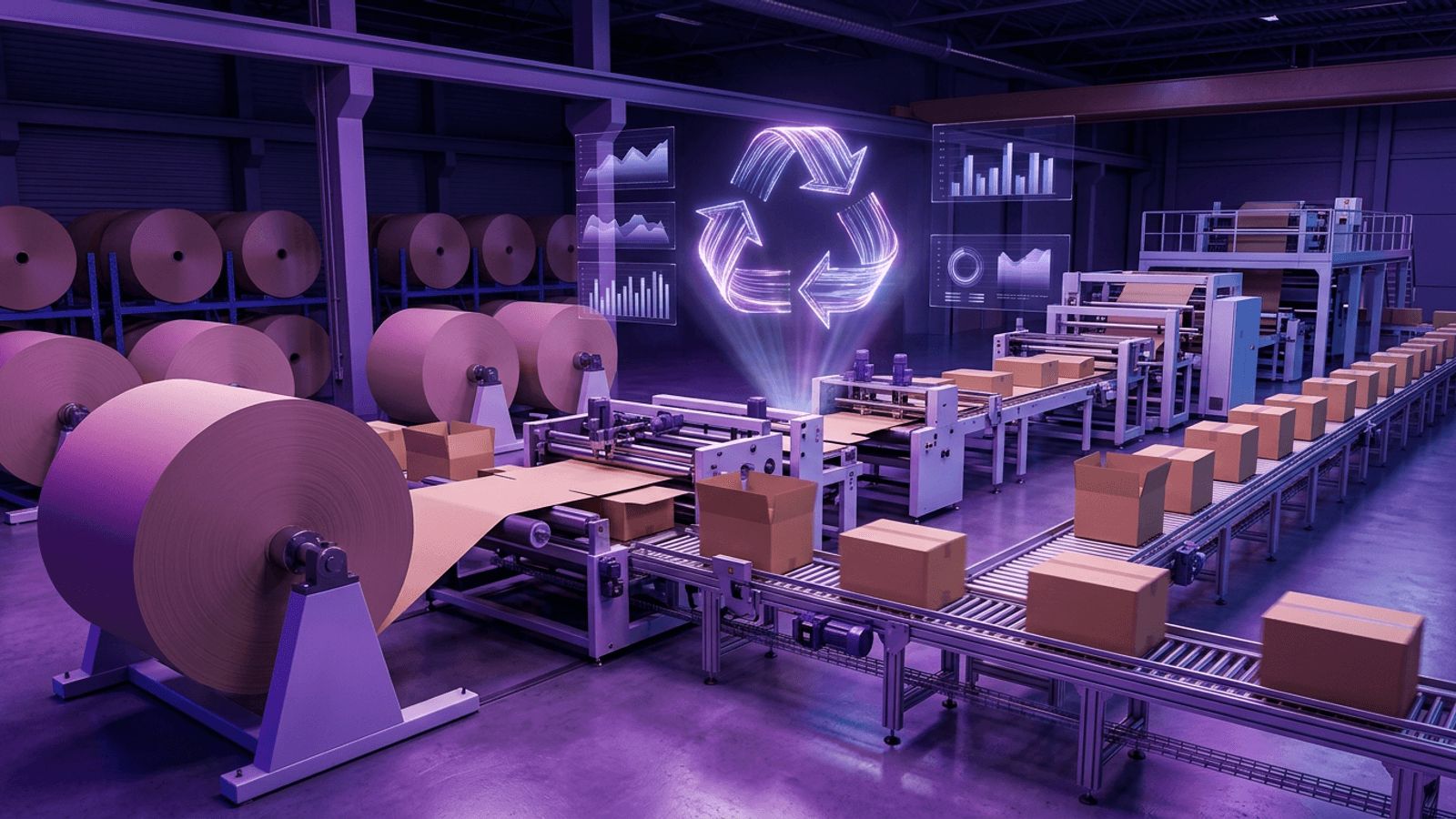
Paper Goods and the Sterling Heights Economy
Paper goods might seem ordinary, but they are essential to Sterling Heights businesses. Automotive suppliers ship parts in corrugated containers and protective packaging. Retailers and e-commerce sellers rely on boxes, mailers, and void fill. Restaurants use takeout containers, napkins, and bags. Offices, schools, and healthcare facilities use tissue, towels, and printing paper. With a large manufacturing and logistics base, Sterling Heights generates substantial demand for paper-based packaging and products.
Michigan has a strong paper and packaging heritage, with mills and converting plants across the state. The companies below are among the top paper goods manufacturers serving Sterling Heights.
How We Selected These Manufacturers
We considered regional presence, product range, quality, sustainability practices, and ability to serve industrial, retail, and commercial customers in Sterling Heights.
The Top 10 Paper Goods Manufacturers Serving Sterling Heights
1. Graphic Packaging International
Graphic Packaging operates a major paperboard mill and packaging operations in Kalamazoo. It produces folding cartons, cups, and food packaging used by consumer brands and foodservice companies throughout the Midwest.
2. Packaging Corporation of America
Packaging Corporation of America operates a containerboard mill in Filer City, Michigan, along with corrugated box plants. It supplies shipping containers and displays to manufacturers and distributors across the region.
3. International Paper
International Paper is one of the world's largest producers of corrugated packaging. Its box plants serve automotive, food, and industrial customers with custom shipping solutions.
4. Smurfit Westrock
Smurfit Westrock, formed by the combination of Smurfit Kappa and WestRock, produces corrugated packaging, consumer packaging, and paperboard. Its broad portfolio serves retail, e-commerce, and industrial customers.
5. Sonoco
Sonoco manufactures paper-based tubes, cores, and protective packaging. Its industrial products support manufacturing operations, including the winding of materials and protection of parts during shipping.
6. Pratt Industries
Pratt Industries is known for corrugated packaging made from recycled fiber. Its focus on sustainability and recycled content appeals to businesses seeking environmentally responsible packaging.
7. Green Bay Packaging
Green Bay Packaging is a privately owned company producing corrugated containers, folding cartons, and coated label products, with operations serving Michigan customers.
8. Menasha Packaging
Menasha Packaging specializes in retail displays, corrugated packaging, and supply chain solutions. Its merchandising expertise helps consumer brands stand out in stores.
9. Georgia-Pacific
Georgia-Pacific produces tissue, paper towels, napkins, and dispensing systems used by offices, restaurants, schools, and healthcare facilities across Sterling Heights.
10. Uline
Uline is a major distributor of shipping, packaging, and industrial supplies. While primarily a distributor, it provides fast access to boxes, mailers, and paper goods for businesses of all sizes.
Paper Goods Trends in the Region
Sustainability is the dominant trend in paper goods. Businesses are replacing plastic packaging with paper-based alternatives, including paper mailers, molded fiber inserts, and recyclable cushioning. Recycled content is increasingly important as companies set environmental goals and respond to customer expectations. E-commerce growth continues to drive demand for right-sized boxes and automated packaging systems that reduce waste and shipping costs. In automotive, returnable containers and engineered paper packaging are helping suppliers balance cost and sustainability.
The Role of Recycling
Paper and cardboard are among the most widely recycled materials. Sterling Heights residents and businesses contribute to a circular economy by recycling corrugated boxes and paper, which become feedstock for new products at mills in Michigan and beyond. Many of the manufacturers on this list rely heavily on recycled fiber, reducing the need for virgin wood and lowering environmental impact.
Choosing a Paper Goods Supplier
Businesses should consider product quality, customization options, lead times, sustainability credentials, and total cost. For automotive and industrial packaging, choose suppliers with engineering support who can design packaging that protects parts and optimizes shipping density. For retail and e-commerce, consider branding options and right-sizing capabilities. For facility supplies, evaluate dispensing systems that reduce waste and improve hygiene.
Frequently Asked Questions
What is the difference between containerboard and paperboard?
Containerboard is used to make corrugated shipping boxes, while paperboard is thinner and used for folding cartons, cereal boxes, and food packaging.
Is paper packaging better for the environment than plastic?
Paper packaging is widely recyclable and often made with recycled content, making it a strong sustainable choice. The best option depends on product protection needs and full lifecycle impact.
Can packaging be customized for automotive parts?
Yes. Packaging engineers design custom inserts, dividers, and containers that protect parts, maximize shipping density, and simplify handling at assembly plants.
How can businesses reduce packaging costs?
Right-sizing boxes, standardizing packaging, reducing void fill, and working with suppliers on volume pricing all help reduce packaging and shipping costs.
Where does recycled cardboard go?
Recycled corrugated material is collected, baled, and sent to paper mills, where it is pulped and turned into new containerboard and packaging products.
Final Thoughts
Paper goods keep the Sterling Heights economy moving, from the boxes that carry automotive parts to the packaging that delivers online orders. The manufacturers on this list combine scale, innovation, and sustainability to meet the needs of local businesses. By choosing the right partners, Sterling Heights companies can protect their products, reduce costs, and support a more circular economy.