
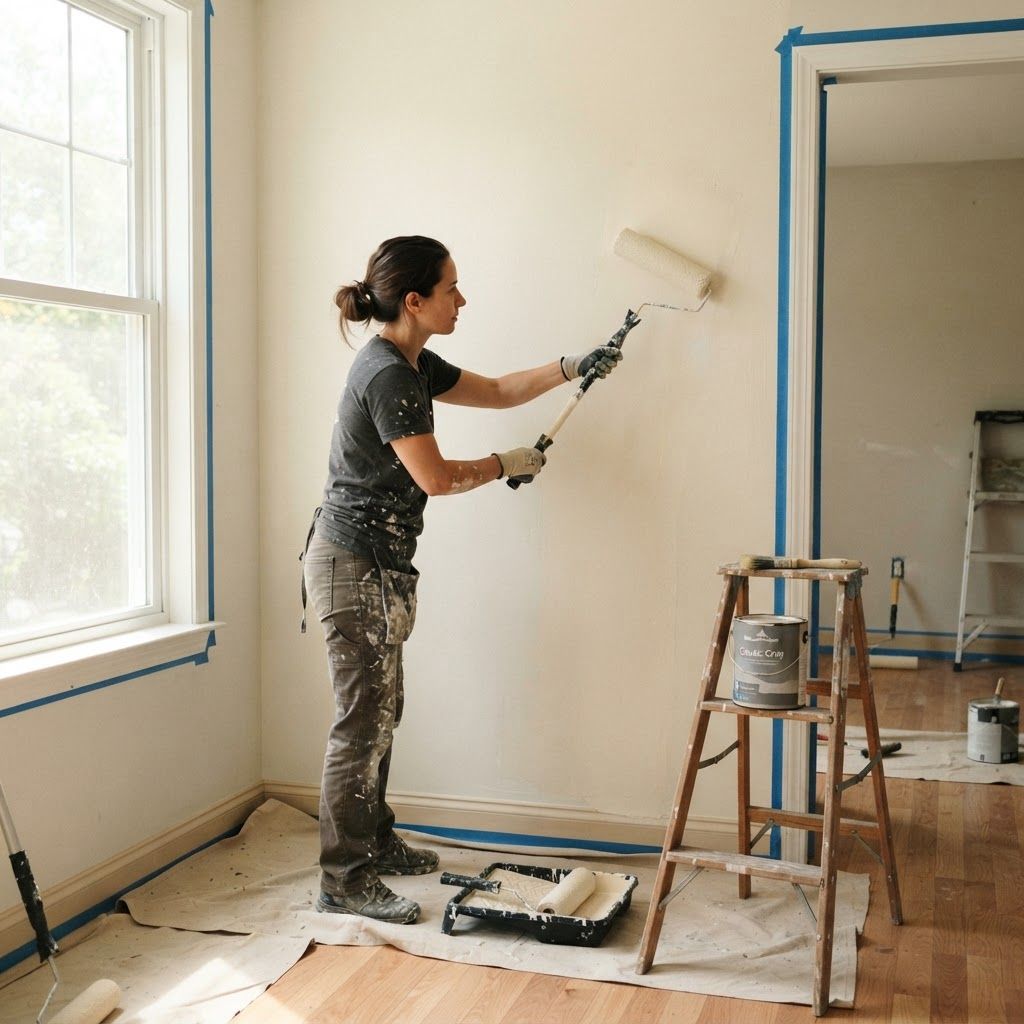
Painting Is Ninety Percent Preparation
The difference between a paint job that lasts four years and one that lasts twelve has almost nothing to do with the brand on the can. It comes down to surface preparation. On exteriors that means scraping loose material, sanding feathered edges, spot priming bare wood, replacing failed caulk at joints and around windows, repairing rotted trim, and ensuring the substrate is dry and clean. On interiors it means patching properly, sanding smooth, priming repairs and stains, and protecting adjacent surfaces meticulously.
St. Paul adds specific challenges. Exterior painting has a realistic window from late spring through early fall, since most coatings require surface temperatures above fifty degrees and dropping overnight temperatures affect cure quality. Contractors book that window early, which means homeowners who wait until August often get scheduled the following year or pushed into marginal conditions.
Many older homes also have lead-based paint from before 1978. Federal rules require certified renovation practices when disturbing painted surfaces in these homes, including containment, specialized cleanup, and documentation. Contractors who ignore this create real liability and health risk.
Interior Painting Considerations
Plaster walls, common in pre-war St. Paul homes, behave differently than drywall. Hairline cracking recurs with seasonal movement, and simply filling with lightweight compound often leads to reappearance. Proper repair may involve setting-type compound, mesh reinforcement, or in some cases skim coating an entire wall for uniformity.
Sheen selection affects both appearance and durability. Flat and matte finishes hide surface imperfections well, which suits older ceilings and walls, but they clean poorly. Eggshell and satin balance washability with appearance for most living spaces. Semi-gloss on trim and doors resists handling wear. Bathrooms and kitchens benefit from moisture-resistant formulations with mildewcide.
Ten Painting Contractors Serving St. Paul
Capital City Painting Company handles full interior and exterior residential work with detailed written prep specifications.
Heritage Restoration Painters specializes in historic homes, lead-safe practices, and multi-color Victorian exterior schemes.
Summit Interior Finishes focuses on high-end interior work including cabinet refinishing, lacquer finishes, and specialty wall treatments.
Northern Exposure Exteriors concentrates on exterior repainting with carpentry repair capability for rotted trim and siding.
Great River Commercial Coatings serves commercial and multifamily properties, including stairwells, corridors, and after-hours scheduling.
Frostline Painting Services is known for aggressive prep standards and long workmanship warranties on exterior work.
Union Park Painters operates as a neighborhood contractor with strong plaster repair and small-project responsiveness.
Eastside Industrial Finishing handles metal, epoxy floor coatings, and industrial protective systems.
Bungalow Color Studio combines color consultation with application, helping homeowners select period-appropriate palettes.
Landmark Cabinet Refinishing completes the list specializing in kitchen cabinet spraying as an alternative to full replacement.
Product and Technique Trends
Coating technology has improved substantially. Modern acrylic exterior paints offer better flexibility across temperature swings, improved adhesion, and stronger color retention than products from even a decade ago. Self-priming formulations reduce steps on sound surfaces, though they do not eliminate the need for dedicated primer on bare wood or stained areas.
Cabinet refinishing has become a major service category. Spraying existing cabinet boxes and doors with durable waterborne alkyd or conversion coatings delivers a factory-like finish at a fraction of replacement cost, provided the cabinet boxes are structurally sound. Quality depends heavily on degreasing, sanding, and spray environment control.
Color trends have shifted toward warmer neutrals, deep greens, and muted earth tones, replacing the cool gray dominance of prior years. Exterior schemes on historic homes increasingly use documented period palettes with two or three accent colors on trim and sash.
Cost and Contract Details
Painting quotes vary widely because scopes vary widely. Compare bids by asking exactly how many coats, what primer is used and where, how much caulk and wood repair is included, whether surfaces will be sprayed, rolled, or brushed, and what protection and cleanup is provided. A cheaper bid usually means less prep, one coat instead of two, or thinner material coverage.
Get the paint product line specified by name. Manufacturers offer multiple tiers, and substituting a builder-grade line for a premium line changes both cost and lifespan while looking identical on installation day. Confirm warranty terms and what conditions void them.
Choosing Your Painter
Verify insurance, particularly liability coverage adequate for interior work in an occupied home. Ask about lead certification for pre-1978 homes. Confirm crew size and expected duration so you can plan around disruption. Request references from exterior projects completed at least three years prior, since exterior paint failure shows up on that timeline.
Walk the property with the contractor before signing and identify problem areas together. Aligning expectations on how much rot repair, caulking, and surface correction is included prevents the most common disputes.
Conclusion
Painting delivers the highest visible impact per dollar of any home improvement, but only when preparation is done correctly. St. Paul's short exterior season, older plaster interiors, and lead-paint considerations make contractor selection consequential. Use the ten firms above as a shortlist, demand a detailed written scope, and book exterior work early in the year to secure quality conditions.