
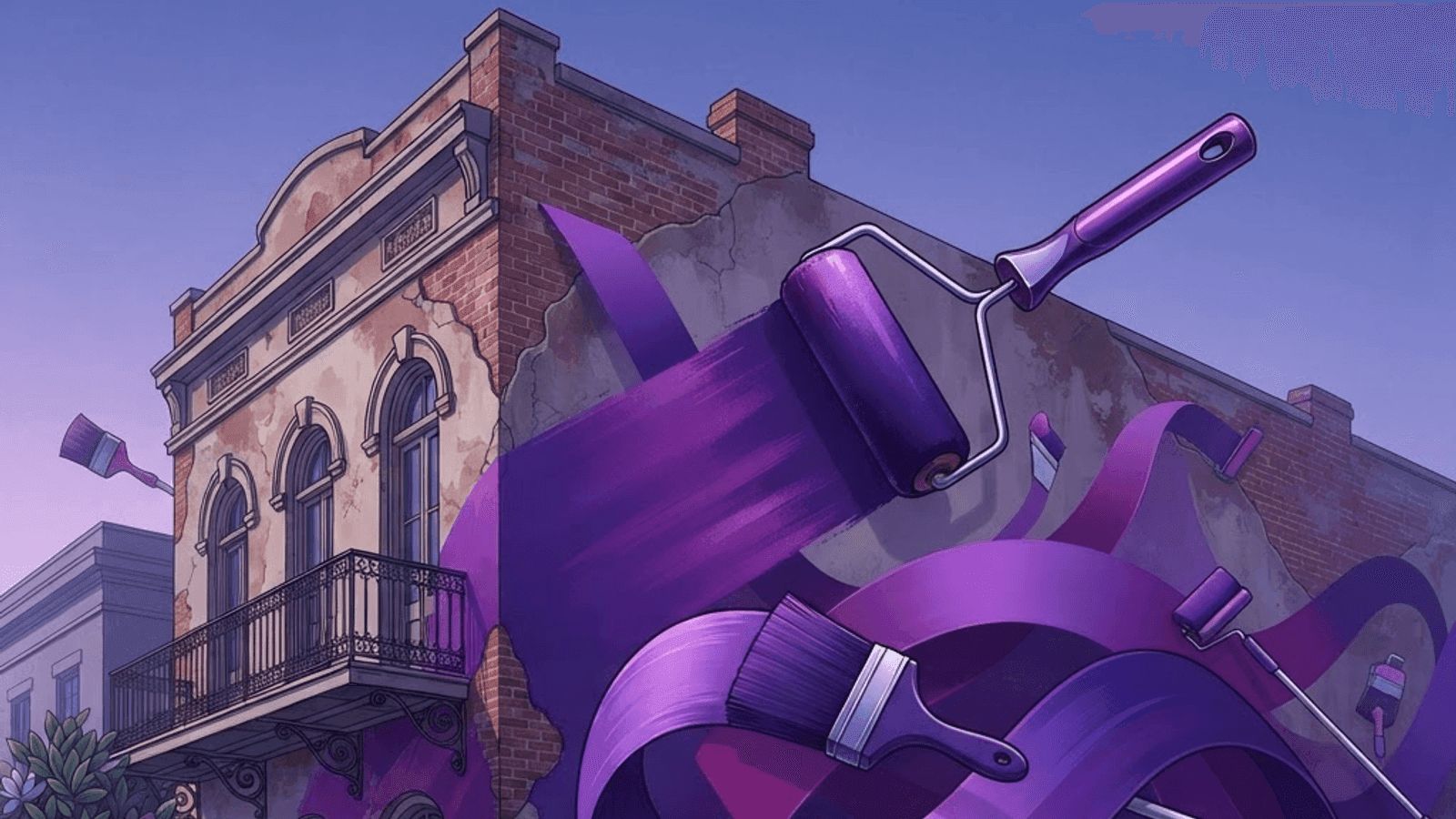
Why Painting Is Harder in a Coastal Climate
Charleston's climate attacks paint from several directions at once. Intense sun degrades pigments and breaks down binders. High humidity slows curing and encourages mildew growth on shaded elevations. Salt air deposits on surfaces and undermines adhesion. Wind-driven rain finds any gap in caulking or flashing. As a result, a paint job that would last a decade in a dry inland climate may fail in a few years here if preparation is rushed.
Quality local painters therefore spend most of their effort on what happens before the first coat: washing, scraping, sanding, priming bare wood, repairing rot and sealing joints. The contractors below are recognized for that discipline.
The Top 10 Painting Contractors in Charleston
1. Holy City Painting Company
Handling both interior and exterior residential work, Holy City Painting Company is known for thorough preparation and clear written scopes that specify the number of coats and products used. Crews protect landscaping and interiors carefully and complete detailed walkthroughs before final payment. Historic-district projects are a regular part of its workload.
2. Palmetto Exterior Finishes
Exterior work is the specialty, including siding, trim, shutters, porches and masonry coatings. The company performs moisture testing before painting, avoiding the common error of coating damp substrates. Rot repair is handled in-house so surfaces are sound before finishing.
3. Lowcountry Historic Paint Restoration
Working on protected properties, this firm handles lead-safe practices, traditional color research and compatible coating systems for older substrates such as plaster, stucco and heart pine. Breathable products are selected where trapped moisture would otherwise cause failure. Approvals coordination with review boards is part of the service.
4. Cooper River Commercial Painting
Serving offices, retail spaces, hotels and industrial facilities, Cooper River Commercial Painting works nights and weekends to avoid disrupting operations. Coatings are selected for washability and traffic resistance in high-use environments. Large-scale projects are managed with documented schedules and safety plans.
5. Charleston Cabinet Refinishing
Specializing in kitchen cabinet refinishing, this company sprays durable factory-style finishes on site, delivering a transformed kitchen at a fraction of replacement cost. Doors are removed, prepped and finished in controlled conditions. Containment systems keep overspray out of living areas.
6. Ashley River Interior Painting
Interior work across suburban neighborhoods defines this contractor, including walls, ceilings, trim and doors. Drywall repair and texture matching are performed before painting for seamless results. Color consultation helps homeowners select palettes suited to the region's abundant natural light.
7. Sea Island Coastal Coatings
Barrier-island and waterfront properties receive marine-grade coating systems here, engineered for salt exposure and constant humidity. Metal railings, dock structures and exterior ironwork are prepared and coated to resist corrosion. Maintenance programs keep high-exposure surfaces ahead of failure.
8. Summerville Painting Services
This contractor serves the northern corridor with residential repaints, new construction finishing and pressure washing. Efficient crews and competitive pricing suit homeowners refreshing an entire house at once. Written warranties on workmanship are standard.
9. Tidewater Industrial Coatings
Industrial and infrastructure coatings are the focus, including steel structures, tanks, warehouse floors and protective epoxy systems. Surface preparation follows measured standards rather than visual judgment. Projects often involve containment and environmental compliance requirements.
10. Magnolia Decorative Finishes
Specialty finishes including limewash, Venetian plaster, murals and faux textures distinguish this studio. Artisans work closely with interior designers on feature walls and custom effects. Sample panels are produced before committing to a full application.
How to Choose a Painting Contractor
Ask what preparation is included, in writing. The difference between a two-year and a ten-year exterior finish is almost entirely preparation and product quality. Specify how many coats will be applied, which primer will be used on bare surfaces, and who is responsible for caulking and minor rot repair.
Confirm insurance, especially for exterior work requiring ladders and lifts. For homes built before 1978, verify lead-safe certification. Request the product data sheets for the coatings proposed, and compare bids on the same specification rather than on price alone. A meaningfully cheaper bid almost always reflects less preparation or fewer coats.
Trends in Painting and Coatings
Low-VOC and zero-VOC formulations are now standard for interiors, improving air quality during and after application. Mildew-resistant additives and coatings designed for humid climates are increasingly specified on shaded exteriors. Color trends locally favor soft neutrals and traditional Charleston palettes, with bolder accents reserved for doors and shutters. Elastomeric and high-build coatings are used on stucco and masonry to bridge hairline cracks and resist wind-driven rain.
Timing and Maintenance Between Repaints
Scheduling matters in a humid climate. Spring and fall generally offer the most favorable temperature and humidity for curing, while midsummer afternoons often exceed ideal application conditions. Between repaints, wash exterior surfaces annually to remove salt, pollen and mildew spores before they establish. Inspect caulk joints around windows, doors and trim each year and reseal where gaps appear, since water entering behind paint causes failure from underneath. Touch up chipped areas promptly rather than waiting for the next full repaint. These habits commonly extend an exterior finish by several years and reduce the amount of preparation required next time.
Final Thoughts
Paint is both protection and presentation. In the Lowcountry, treating it as protection first produces better-looking results that last longer. Hire on preparation quality, insist on written specifications, and schedule exterior work during moderate humidity periods when curing conditions favor a durable finish.