
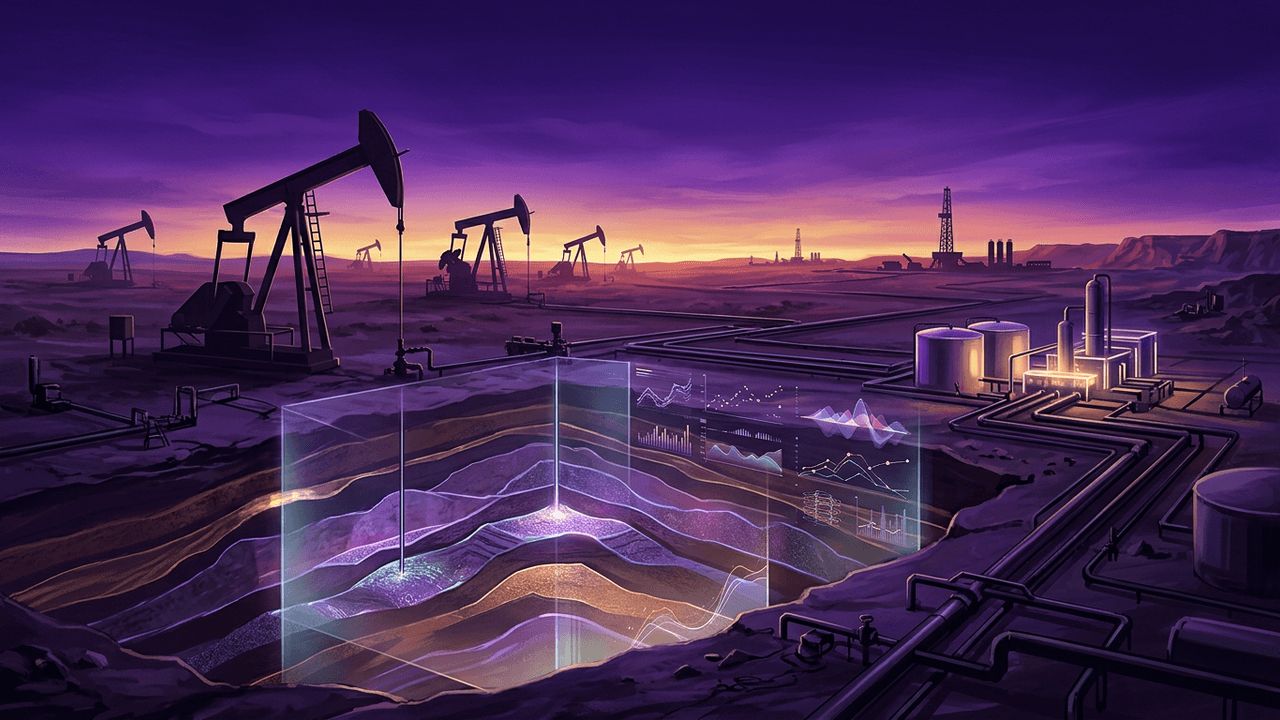
A City Built on Oil
The story of Wichita Falls is closely tied to oil. The discovery of the Electra field in 1911 and the Burkburnett boom in 1918 transformed a quiet railroad town into a bustling energy center almost overnight. Fortunes were made, downtown buildings rose and the city earned a reputation as a hub for wildcatters and independent operators. More than a century later, the counties surrounding Wichita Falls continue to produce oil and natural gas from shallow, mature fields, while service companies, pipeline operators and royalty owners keep the regional economy moving.
Today's oil and gas sector looks very different from the boom days. Advanced seismic imaging, horizontal drilling, enhanced recovery techniques and digital monitoring have extended the life of older fields. Safety, environmental stewardship and efficiency are now central priorities. Below are ten companies that play important roles in oil and gas activity in and around Wichita Falls.
1. Burk Royalty Co.
Burk Royalty is a well-known independent oil and gas company headquartered in Wichita Falls. With deep roots in the region, it focuses on exploration, production and mineral interests, and it is recognized for its long-standing community involvement and knowledge of North Texas geology.
2. Continental Resources
Based just across the Red River in Oklahoma, Continental Resources is one of the largest independent producers in the country. Its operations in the Anadarko Basin and other plays influence the regional workforce and service demand that reaches into Wichita Falls.
3. Devon Energy
Devon Energy, headquartered in Oklahoma City, is a major independent producer with significant operations in Oklahoma and Texas. Its technology-driven approach to drilling and completion has set industry benchmarks for efficiency.
4. XTO Energy
A subsidiary of ExxonMobil, XTO Energy has a strong history in North Texas natural gas development. Its expertise in unconventional resources and operational excellence makes it an influential player across the state.
5. ONEOK
ONEOK is a leading midstream company that gathers, processes, stores and transports natural gas and natural gas liquids. Its pipeline network across Oklahoma and Texas connects regional producers with markets and processing facilities.
6. Energy Transfer
Energy Transfer operates one of the largest pipeline systems in the United States. Its Texas infrastructure transports crude oil, natural gas and refined products, supporting producers throughout the state, including the North Texas region.
7. Halliburton
Halliburton is one of the world's largest oilfield service providers, offering drilling, completion, cementing and production services. Its regional operations support operators working in Texas and Oklahoma basins.
8. SLB
Formerly known as Schlumberger, SLB delivers reservoir characterization, drilling technology, digital solutions and production services. Its innovation in data analytics and subsurface modeling helps operators maximize recovery from mature fields like those around Wichita Falls.
9. Baker Hughes
Baker Hughes provides oilfield equipment, artificial lift systems, chemicals and turbomachinery. Its artificial lift and production chemical solutions are particularly relevant for older wells that require efficient pumping and corrosion control.
10. Atmos Energy
Atmos Energy is the natural gas utility serving Wichita Falls homes and businesses. While it does not produce oil and gas, it is a vital link in the energy chain, delivering natural gas safely and investing in pipeline modernization across Texas.
The Role of Independents and Royalty Owners
Wichita Falls has always been a city of independent operators. Small and mid-sized companies manage stripper wells, waterflood projects and leases that larger producers have passed over. These businesses employ pumpers, roustabouts, landmen, geologists and accountants, and they support local banks, suppliers and trucking firms. Royalty owners, many of them families with generations of history in the area, receive income that flows back into the community.
Industry Trends in North Texas
Enhanced oil recovery methods, including waterflooding and carbon dioxide injection, are extending the productive life of mature fields. Operators are using remote monitoring, automation and predictive maintenance to reduce costs on low-volume wells. Methane emission reduction, well plugging and responsible water management are receiving increased attention from regulators and investors. The Railroad Commission of Texas continues to oversee permitting and environmental compliance, and companies that prioritize transparency tend to earn stronger community trust.
Careers and Workforce Development
The oil and gas industry offers a wide range of career paths, from field operations and equipment maintenance to engineering, land management and environmental compliance. Vernon College, Midwestern State University and regional training centers help prepare workers with technical, safety and business skills. Many positions offer competitive pay and opportunities to advance quickly with experience.
How to Evaluate an Oil and Gas Partner
Mineral owners considering a lease should review the operator's track record, safety performance, financial stability and reputation with other landowners. Negotiate royalty rates, lease terms, surface protections and cleanup obligations carefully, ideally with the help of an experienced oil and gas attorney. Businesses seeking service partners should evaluate response times, equipment quality, safety certifications and local presence.
Final Thoughts
Oil and gas remains part of the identity and economy of Wichita Falls. From local independents with century-old ties to the region to global service leaders bringing advanced technology, these ten companies help sustain energy production and economic opportunity across North Texas.