
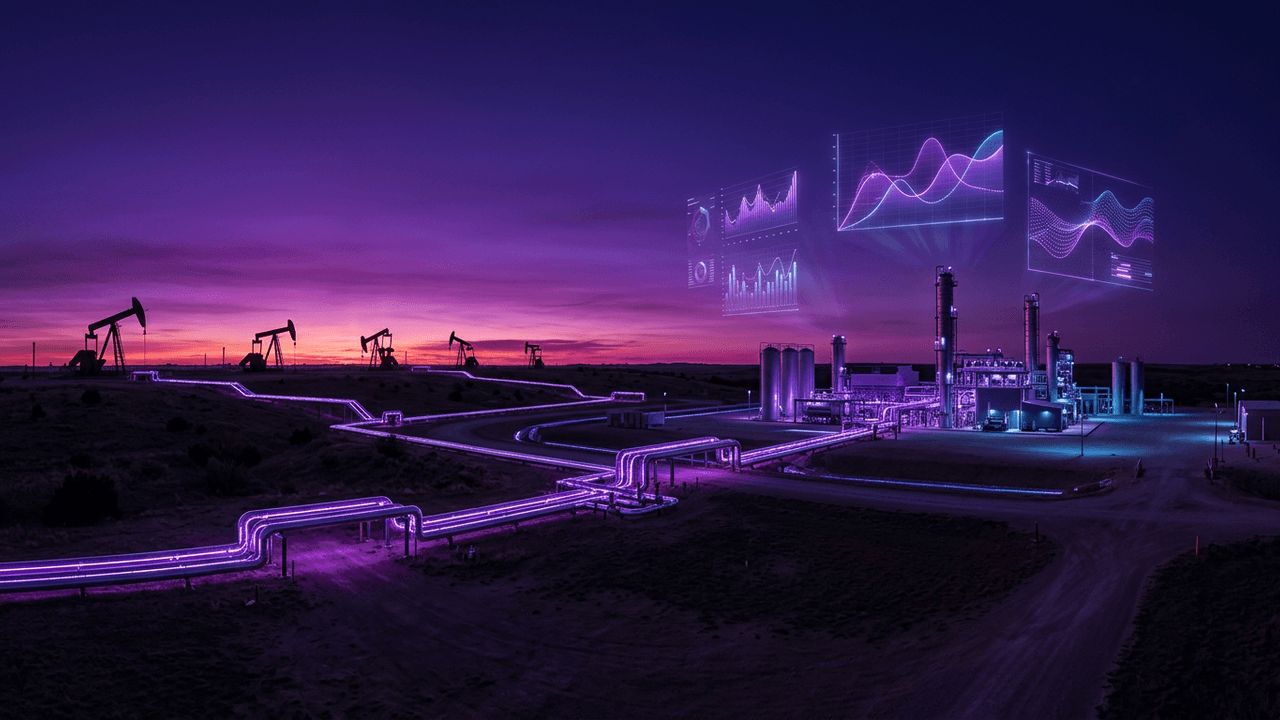
Oil and Gas in the Central Texas Economy
Texas is the largest oil and natural gas producing state in the nation, and the industry touches nearly every community, including Temple. While Bell County is not a major drilling region like the Permian Basin or Eagle Ford Shale, Temple relies heavily on natural gas for home heating, cooking, water heating, and industrial processes. Natural gas also fuels a large share of electricity generation on the ERCOT grid. Pipelines crisscross Central Texas, and fuel distribution networks keep the region's logistics and transportation sectors moving.
The companies below include natural gas utilities serving Temple, pipeline operators moving energy through the region, and major producers and refiners whose operations shape energy supply and prices for Central Texas.
1. Atmos Energy
Atmos Energy is the primary natural gas distribution utility serving Temple and much of Central Texas. It delivers natural gas to homes, businesses, and industrial customers and has invested heavily in pipeline modernization and safety improvements. For Temple residents, Atmos is the most direct connection to the natural gas industry.
2. ExxonMobil
ExxonMobil is one of the world's largest energy companies, with major Texas operations spanning production, refining, and chemicals. Its expanded Permian Basin presence makes it a dominant force in Texas oil production, influencing fuel supply and prices across the state.
3. Chevron
Chevron is a leading integrated energy company with significant Texas production and a growing focus on lower-carbon technologies. Its operations contribute to fuel supply throughout the state.
4. ConocoPhillips
Headquartered in Houston, ConocoPhillips is one of the largest independent exploration and production companies. Its Texas operations, including the Permian Basin and Eagle Ford, contribute significantly to state energy output and revenue.
5. Energy Transfer
Energy Transfer is a Dallas-based midstream company operating one of the largest pipeline networks in the United States. Its pipelines transport natural gas, crude oil, and natural gas liquids across Texas, supporting energy reliability in regions like Central Texas.
6. Kinder Morgan
Kinder Morgan is a Houston-based energy infrastructure company operating extensive natural gas pipelines and terminals. Its systems move gas from production basins to utilities, power plants, and industrial customers throughout Texas.
7. Enterprise Products Partners
Enterprise Products Partners is a leading midstream company with pipelines, storage, and processing facilities across Texas. It plays a key role in moving natural gas liquids and petrochemical feedstocks.
8. Occidental Petroleum
Occidental, headquartered in Houston, is a major Permian Basin producer and a leader in carbon capture initiatives. Its investments in direct air capture technology reflect the industry's evolution toward lower emissions.
9. Valero Energy
San Antonio-based Valero is one of the largest independent petroleum refiners in the world. Its refineries produce gasoline, diesel, and jet fuel that supply Texas markets, and Valero-branded fuel stations operate throughout Central Texas.
10. Phillips 66
Phillips 66 operates refining, midstream, chemicals, and marketing businesses. Its fuel brands are familiar to Central Texas drivers, and its infrastructure supports reliable fuel distribution to communities like Temple.
Why Oil and Gas Matters to Temple
The oil and gas industry affects Temple in many ways. Natural gas provides affordable heating and fuels local manufacturing. Fuel prices influence the costs of the region's major distribution and logistics companies. State oil and gas revenue supports public education and infrastructure through the Permanent School Fund and other mechanisms. Many Temple residents also work in energy-related jobs, including pipeline construction, equipment manufacturing, and fuel distribution.
Industry Trends
The oil and gas industry is evolving rapidly. Consolidation has created larger, more efficient producers. Liquefied natural gas exports from the Texas Gulf Coast have expanded dramatically, linking Texas gas to global markets. Companies are investing in methane emission reduction, carbon capture, and hydrogen projects. Digital technologies, including automation, sensors, and data analytics, are improving safety and efficiency. Natural gas also remains essential for grid reliability as renewable energy grows.
Safety and Community Considerations
Natural gas safety is important for every Temple household. Residents should know how to recognize the smell of a gas leak, avoid digging without first calling the statewide utility locating service, and follow utility safety guidance. Pipeline operators and utilities conduct regular inspections and public awareness programs to protect communities.
Careers in Oil and Gas
The industry offers diverse career paths, from field technicians and pipeline welders to engineers, geoscientists, and environmental specialists. Central Texas residents can pursue training through technical colleges and apprenticeship programs, often leading to well-paid positions across the state.
Natural Gas and Grid Reliability
Natural gas power plants remain a backbone of the Texas electric grid, providing flexible generation that can ramp up quickly when demand spikes or when wind and solar output declines. Since severe winter weather tested the grid, Texas has invested in weatherization requirements for gas facilities and power plants, along with new programs to encourage additional dispatchable generation. For Temple residents, these efforts translate into improved reliability during extreme heat and cold. The interplay between natural gas and renewable energy will continue to define how Central Texas keeps its lights on as population and electricity demand grow.
Conclusion
Oil and natural gas remain foundational to the Texas economy and to daily life in Temple. From the natural gas that heats homes to the fuels that power the region's logistics industry, the companies above play essential roles. As the industry embraces innovation and lower-emission technologies, it will continue shaping Central Texas's energy future.