
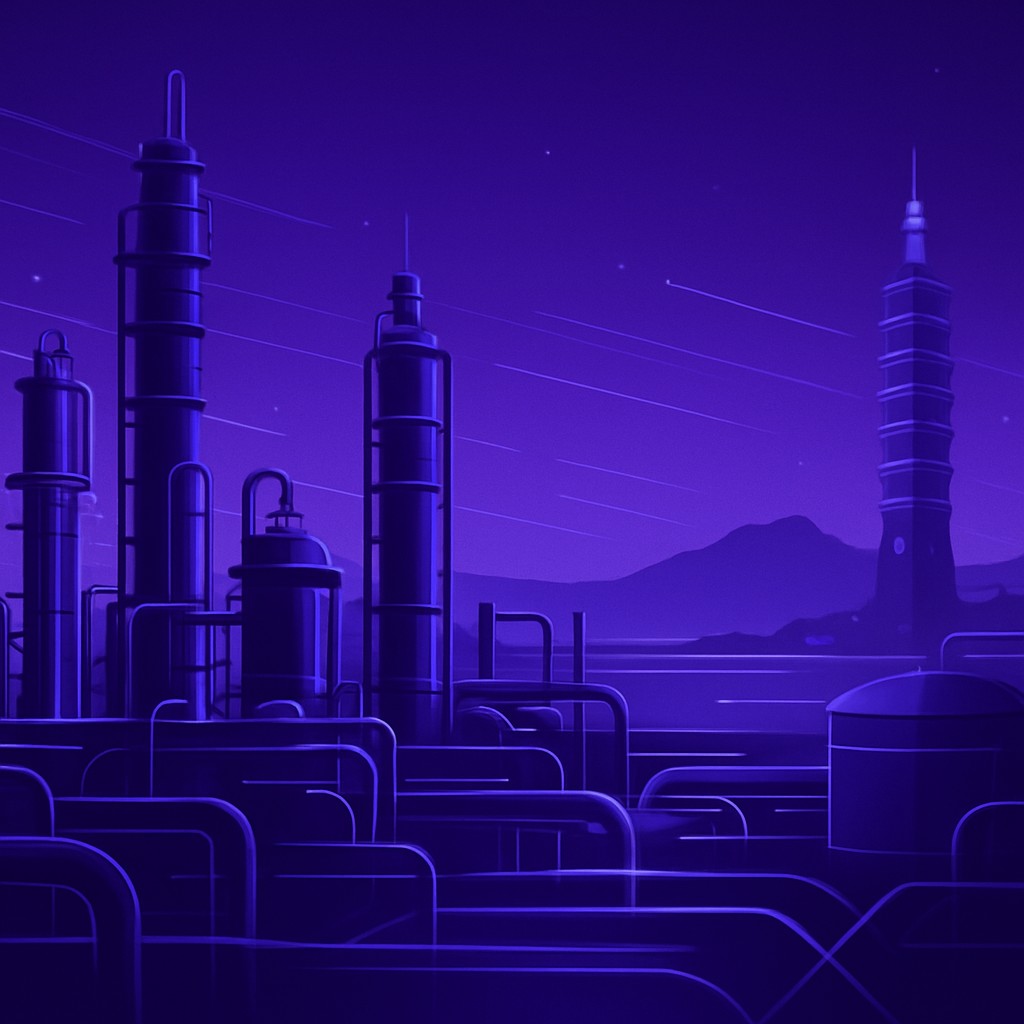
The Oil and Gas Sector in Taiwan
Despite Taiwan's strong push toward renewable energy, oil and gas remain critical components of the nation's energy mix, powering industry, transportation, and households. As a resource-poor island that imports the vast majority of its energy, Taiwan relies on a network of sophisticated oil and gas companies to ensure a stable and reliable supply. These firms manage everything from importation and refining to distribution and retail, playing an essential role in the nation's economy.
Taiwan's oil and gas sector is characterized by a combination of state-owned enterprises and private companies, working together to meet the country's energy demands. The sector is highly regulated, reflecting the strategic importance of energy security for the island.
Key Players in the Industry
CPC Corporation, Taiwan, the state-owned petroleum company, is the dominant force in the nation's oil and gas sector. CPC manages the importation of crude oil and natural gas, operates major refineries, and oversees an extensive distribution network. The company plays a central role in ensuring Taiwan's energy security and stability.
Formosa Petrochemical Corporation, part of the Formosa Plastics Group, is another major player, operating one of the largest refining complexes in the region. Private companies and importers also contribute to the sector, providing fuel and related products to consumers and businesses across Taiwan.
Refining and Petrochemicals
Refining is a cornerstone of Taiwan's oil and gas industry. The nation's refineries process imported crude oil into gasoline, diesel, jet fuel, and other products essential for transportation and industry. The petrochemical sector, closely linked to refining, produces materials used in manufacturing, plastics, and a wide range of consumer goods. These industries are vital to Taiwan's export-oriented economy.
Natural Gas and LNG
Natural gas plays an increasingly important role in Taiwan's energy strategy, particularly as the nation seeks to reduce its reliance on coal and lower emissions. Liquefied natural gas (LNG) is imported through specialized terminals and used for power generation and industrial applications. Oil and gas companies are investing in LNG infrastructure to support this transition and ensure a reliable supply of cleaner-burning fuel.
Adapting to the Energy Transition
As Taiwan pursues its clean energy goals, oil and gas companies are adapting to a changing landscape. Many are investing in cleaner technologies, improving efficiency, and exploring opportunities in natural gas and petrochemicals. While renewable energy is growing, oil and gas will continue to play a significant role in Taiwan's energy mix for the foreseeable future, providing reliability and supporting the transition to a lower-carbon economy.
Ensuring Energy Security
Energy security is a top priority for Taiwan, given its dependence on imported fuels. Oil and gas companies maintain strategic reserves, diversify supply sources, and invest in infrastructure to safeguard against disruptions. Their efforts are essential for maintaining the stability and resilience of Taiwan's energy system.
Conclusion
Taiwan's oil and gas companies are integral to the nation's economy and energy security. Through refining, distribution, and investment in cleaner technologies, these firms ensure a reliable energy supply while adapting to a changing energy landscape. As Taiwan navigates the transition toward sustainability, the oil and gas sector will continue to play a vital and evolving role.