
Understanding North Carolina's Oil and Gas Sector
North Carolina has no meaningful crude oil or natural gas production. The state's oil and gas industry is therefore a downstream and midstream business rather than an extraction business, built around moving, storing, and distributing fuel that originates elsewhere. Understanding that distinction is essential to understanding which companies matter in Raleigh.
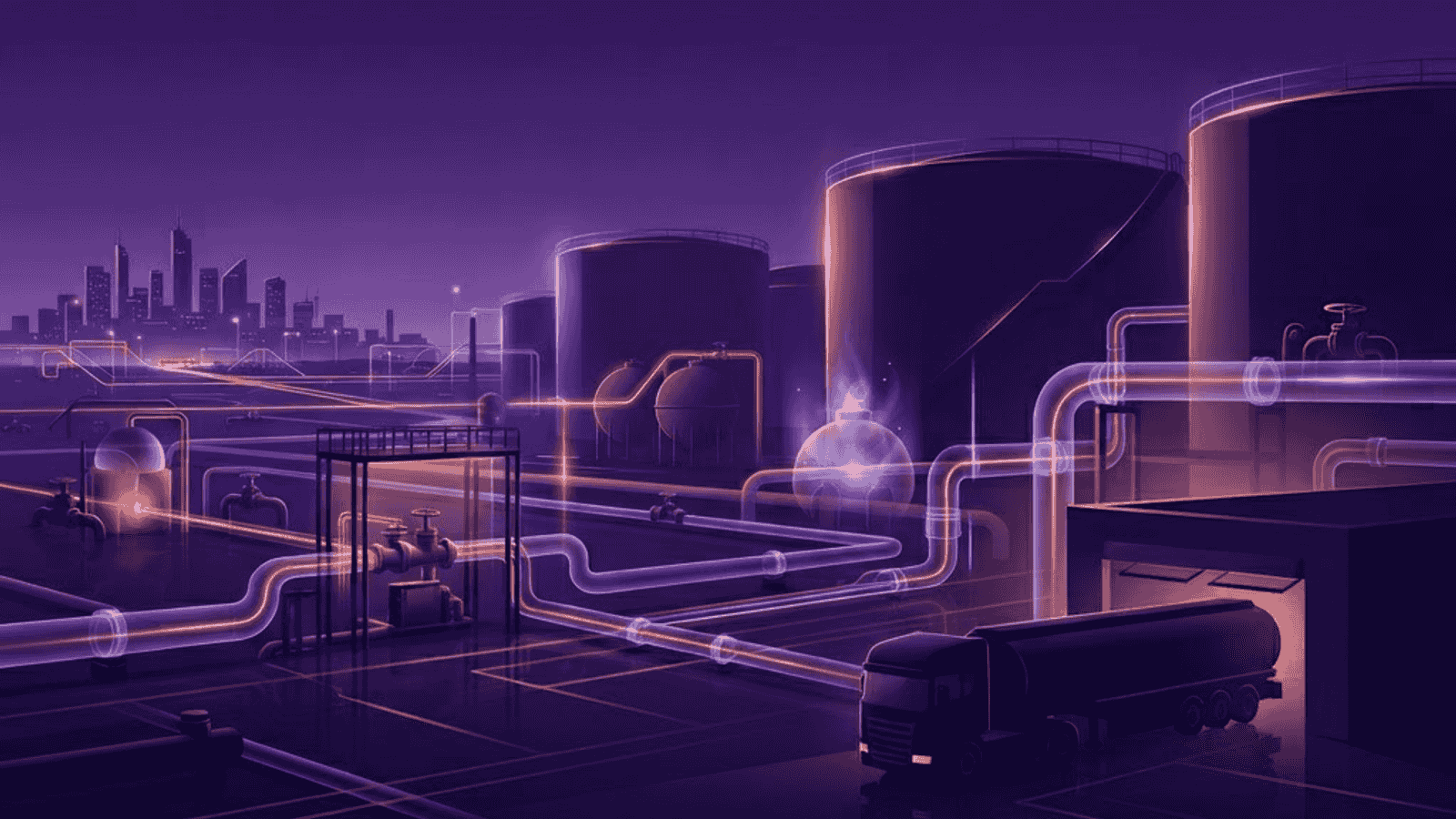
Nearly all of the state's refined petroleum products arrive through the Colonial and Plantation pipelines, which run north from Gulf Coast refineries. Terminals in Selma, Greensboro, Charlotte, and Wilmington receive and store gasoline, diesel, and jet fuel, from which tanker trucks distribute to retail stations, commercial fleets, and industrial users across the Triangle. Natural gas arrives primarily via the Transcontinental Gas Pipeline system and is distributed to homes and businesses through regulated local distribution utilities. Propane, which serves rural areas and properties beyond the natural gas main, arrives by rail and pipeline into regional storage and is delivered by truck.
Raleigh's role in this system is significant. As the state capital, it hosts the North Carolina Utilities Commission, which regulates natural gas rates and service, along with the Department of Environmental Quality, which oversees underground storage tanks, air permits, and spill response. Several major fuel distributors and energy service companies are headquartered or maintain substantial operations in and around the city, and the Triangle's growth makes it one of the fastest-expanding fuel and gas demand centers in the Southeast.
The Segments Within the Industry
Fuel distribution and wholesale supply involves purchasing refined product at terminals and delivering it to retail sites, fleets, farms, and construction operations. Retail fuel and convenience combines gasoline sales with high-margin in-store retail. Natural gas utility distribution is a regulated business covering pipeline infrastructure, service connections, and rate-based capital investment. Propane distribution serves residential heating, agricultural drying, commercial cooking, and forklift and industrial applications. Lubricants and industrial fluids serve manufacturing and heavy equipment. Compliance and environmental services handle tank testing, remediation, and regulatory reporting.
Ten Leading Oil, Gas, and Fuel Companies Serving Raleigh
1. Dominion Energy North Carolina — The natural gas utility serving a substantial portion of eastern North Carolina, responsible for distribution infrastructure, service connections, and rate-regulated system investment, with regulatory proceedings conducted before the Utilities Commission in Raleigh.
2. PSNC Energy — Long the primary natural gas distributor for the Raleigh and Triangle market, this utility operates the distribution network serving hundreds of thousands of residential, commercial, and industrial customers across central North Carolina.
3. Sheetz — A major fuel and convenience retailer that has expanded aggressively across the Triangle, combining high-volume fuel sales with prepared food operations and increasingly, electric vehicle charging infrastructure.
4. Sam's Xpress, Circle K, and QuikTrip regional operations — Large convenience and fuel retail networks have concentrated new-site development in Wake County, reflecting the region's population growth and commuting patterns.
5. Blossman Gas — A North Carolina-founded propane distributor with substantial Southeast operations, serving residential heating, commercial, and agricultural customers along with appliance sales and service.
6. AmeriGas and Suburban Propane regional operations — National propane distributors maintain Triangle-area service centers delivering to homes and businesses outside natural gas service territory, with tank leasing, automatic delivery, and safety inspection programs.
7. Colonial Oil Industries and regional wholesale fuel suppliers — Wholesale suppliers move refined product from pipeline terminals to distributors and commercial accounts across the Carolinas, managing supply contracts and price risk.
8. Mansfield Energy and fuel management providers — Companies in this segment provide fleet fueling, on-site tank management, fuel price hedging, and supply reliability planning for municipalities, school systems, and commercial fleets in the Triangle.
9. Highland Industrial and lubricant and industrial fluid distributors — Regional distributors supply engine oils, hydraulic fluids, greases, and diesel exhaust fluid to manufacturers, transportation companies, and construction contractors across central North Carolina.
10. Terracon, S&ME, and environmental compliance consultancies — Engineering and environmental firms with Raleigh offices handle underground storage tank compliance, Phase I and II assessments, remediation, and spill response, work that is legally mandatory across the fuel distribution network.
Costs and Commercial Considerations
Fuel pricing in the Raleigh market tracks Gulf Coast rack pricing plus transportation, terminal, and distribution margin, along with federal and state motor fuel taxes. North Carolina's motor fuel tax is adjusted by formula, making it a meaningful component of retail price. Commercial buyers can reduce cost through fixed-price contracts, index-based pricing with capped margin, or volume commitments. Propane customers should compare per-gallon pricing carefully and understand tank ownership terms, since leased tanks can restrict supplier switching.
How to Select a Fuel or Gas Provider
Commercial fleets and institutions should evaluate supply reliability during disruption, since pipeline outages have caused regional shortages in the past. Ask about redundant terminal access, emergency delivery protocols, and contract force majeure terms. For propane, confirm delivery scheduling method, tank monitoring technology, and whether service and safety inspections are included. For natural gas, large users should explore transportation service options that allow separate commodity procurement. Across all segments, verify environmental compliance history and insurance coverage.
Industry Outlook in the Triangle
Demand dynamics are shifting. Natural gas continues to grow in the Raleigh market as new residential and commercial construction connects to the system and as it serves as a flexible complement to renewable generation. Simultaneously, electrification of light vehicles is reshaping retail fuel economics, prompting convenience operators to diversify into food service and charging. Renewable natural gas from agricultural and landfill sources is emerging as a supply option that leverages existing pipeline infrastructure. Companies that combine reliable conventional distribution with credible transition planning will be best positioned as the Triangle's energy mix evolves.