
The Enduring Role of Oil and Gas in Newark
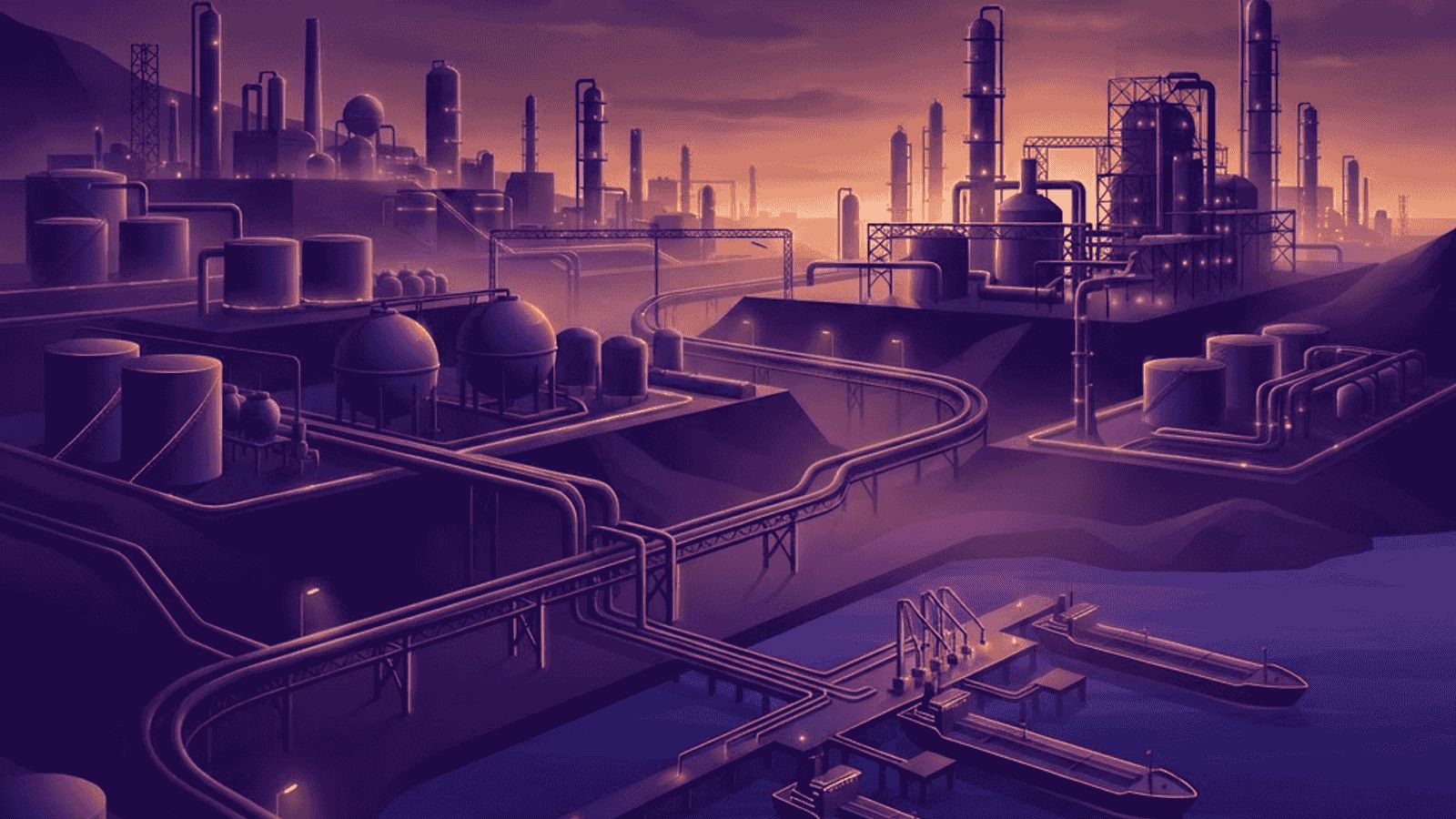
Long before renewable energy entered the conversation, Newark's industrial identity was tied to petroleum. The stretch of waterfront along Newark Bay and the Arthur Kill developed into one of the most important fuel handling corridors on the East Coast, combining refining capacity, tank farms, marine terminals, pipeline connections, and rail access. Aviation fuel for the region's airports, heating oil for the Northeast, diesel for the trucking fleets that serve the port, and gasoline for millions of vehicles all move through this network.
That infrastructure remains economically significant even as the state pursues aggressive decarbonization. Liquid fuels still power heavy trucking, marine shipping, aviation, and a large share of building heat. The companies operating in this space are simultaneously maintaining legacy systems and investing in lower-carbon products such as renewable diesel and sustainable aviation fuel.
The Top 10 Oil and Gas Companies in the Newark Area
1. Phillips 66
Phillips 66 operates refining, midstream, and marketing businesses with terminal and distribution presence relevant to the Northeast fuel market. The company has also invested in renewable fuel production, reflecting a broader industry pattern of converting or supplementing conventional refining capacity.
2. Buckeye Partners
Buckeye is a major midstream operator of pipelines and storage terminals, including significant capacity in the New York and New Jersey harbor complex. Terminal operators like Buckeye are the connective tissue of fuel supply, receiving product by ship, pipeline, or barge and redistributing it by truck and rail.
3. Kinder Morgan
One of the largest energy infrastructure companies in North America, Kinder Morgan owns pipelines and terminals handling refined products, chemicals, and natural gas. Its assets influence how efficiently fuel and feedstocks reach industrial customers throughout northern New Jersey.
4. Sunoco LP
Sunoco is a prominent fuel distributor supplying branded and unbranded gasoline and diesel to retail stations and commercial customers across the Northeast. Its wholesale network is a familiar presence for station operators and fleet managers in Essex County.
5. Global Partners LP
Global Partners operates terminals and wholesale distribution for gasoline, diesel, heating oil, and increasingly renewable fuels. The company's terminal footprint in the Northeast makes it a key supplier during winter demand peaks when heating oil logistics become tight.
6. Chevron
Chevron's marketing, lubricants, and renewable fuels businesses reach the New Jersey market through distributor relationships and commercial supply agreements. Its industrial lubricant lines serve manufacturing and marine customers around the port.
7. ExxonMobil
With a long industrial history in New Jersey, ExxonMobil remains active in fuels, lubricants, and petrochemical supply relevant to the region. Its chemical products feed the plastics and specialty manufacturing base that persists across the northern part of the state.
8. New Jersey Resources and Natural Gas Distributors
Natural gas is the other half of the sector. Distribution utilities serving New Jersey deliver gas for residential heating, commercial cooking, and industrial process heat, and they operate the pipeline networks and compressor infrastructure that make that delivery reliable through winter demand spikes.
9. World Fuel Services
Specializing in aviation, marine, and land fuel logistics, World Fuel Services supports the airport and port operations that define Newark's economy. Its role is largely invisible to the public but essential to keeping aircraft and vessels supplied on tight turnaround schedules.
10. Regional Fuel Distributors and Heating Oil Dealers
A dense network of independent distributors, heating oil dealers, propane suppliers, and fuel transport carriers completes the picture. These family-run and mid-sized businesses handle last-mile delivery to homes, apartment buildings, construction sites, and commercial fleets throughout the city.
Infrastructure That Keeps Fuel Moving
The system depends on four linked components. Marine terminals receive crude and refined products from tankers and barges. Tank farms provide the storage buffer that absorbs seasonal demand swings and supply interruptions. Pipelines move product inland at low cost. Truck racks load tankers for local delivery to stations and buildings.
Resilience is a constant concern. Coastal storms have demonstrated how flooding can disrupt terminals and knock out the power needed to operate pumps, and the sector has invested in flood protection, backup generation, and redundant routing since those events. Cybersecurity has become an equally serious priority following pipeline disruptions elsewhere in the country.
How the Sector Is Adapting
Several shifts are underway. Renewable diesel and sustainable aviation fuel can move through existing pipelines and tanks with minimal modification, making them attractive transition products for terminal operators. Some companies are exploring hydrogen and carbon capture, though deployment remains early.
Natural gas occupies a contested middle position. It burns cleaner than oil or coal and supports grid reliability, yet building electrification policies aim to reduce its use in homes over time. Distributors are responding by exploring renewable natural gas from landfills and wastewater treatment and by improving leak detection to reduce methane emissions.
Environmental accountability is also intensifying, particularly in Newark, where residents in industrial neighborhoods have pressed for stricter emissions monitoring and remediation of contaminated sites. Companies that engage seriously with these community concerns tend to encounter fewer permitting obstacles.
What Commercial Buyers Should Consider
Fleet operators and building managers purchasing fuel should evaluate supply reliability during peak demand, contract structure and price risk management, delivery scheduling technology, and the supplier's capability to provide lower-carbon alternatives as regulations tighten. Storage tank compliance and spill response planning are additional obligations worth discussing with any supplier.
Conclusion
Newark's oil and gas sector illustrates the practical complexity of an energy transition. Refined fuels and natural gas still power essential functions of the regional economy, while the same companies delivering them are investing in renewable alternatives. The businesses above represent the refining, midstream, distribution, and last-mile layers that keep the region supplied, and understanding those layers is useful for any commercial buyer or observer of Newark's industrial future.