
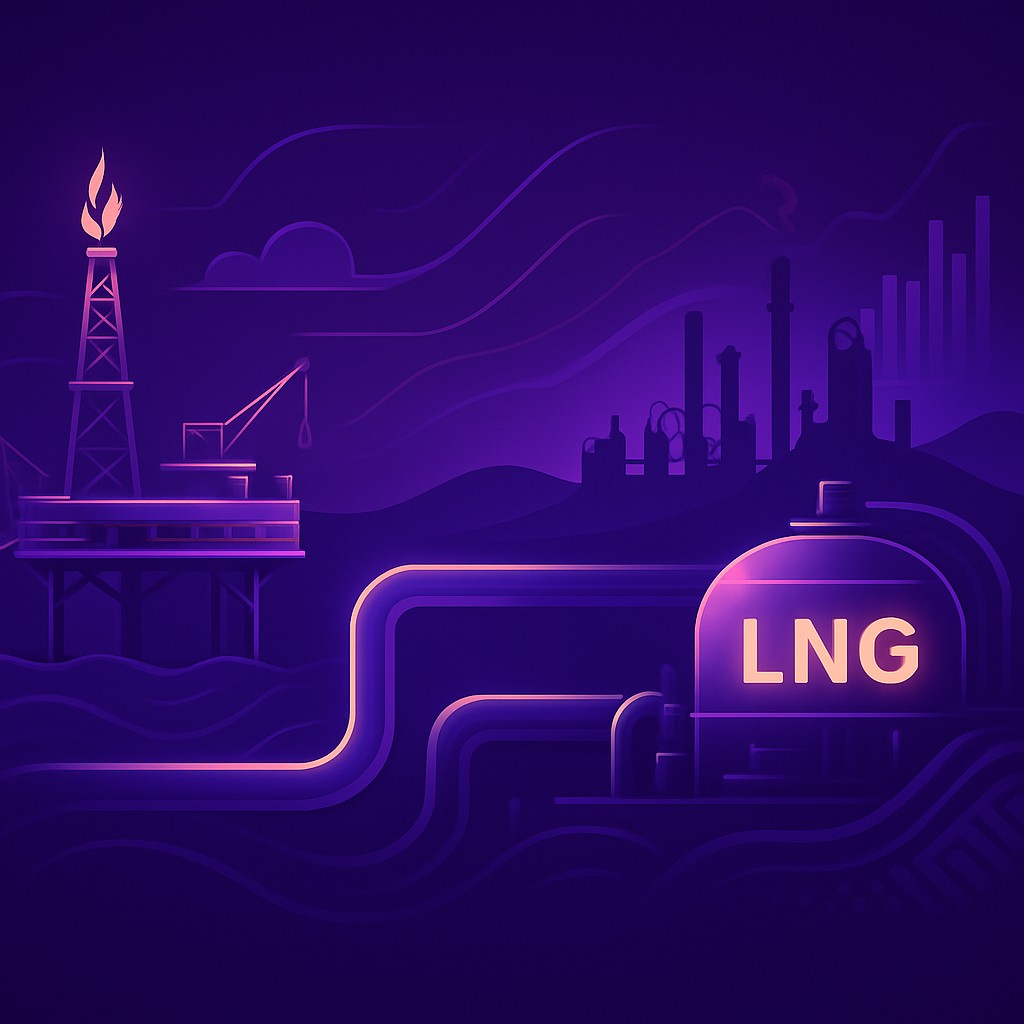
Mozambique's Emergence as an Energy Giant
The discovery of vast natural gas reserves off the coast of Mozambique has transformed the country into one of the most important emerging energy markets in the world. The Rovuma Basin, located in the northern province of Cabo Delgado, contains some of the largest natural gas deposits ever found, drawing investment from the biggest names in the global energy industry. These developments have the potential to reshape Mozambique's economy for generations.
The scale of these projects is staggering, involving liquefied natural gas (LNG) facilities, offshore platforms, and extensive infrastructure. While the sector faces challenges, including security concerns and the complexities of large-scale development, its long-term significance to Mozambique's economic future is profound.
The Strategic Importance of Gas
Natural gas offers Mozambique a remarkable opportunity to generate export revenue, attract foreign investment, and develop domestic industry. LNG exports promise to bring substantial income, while domestic gas can power electricity generation, fertiliser production, and other industrial activities. This dual potential, for both export and domestic development, makes the sector particularly strategic.
Beyond direct revenue, the gas industry stimulates broad economic activity, from construction and logistics to services and local content development. Managed wisely, these resources could fund infrastructure, education, and diversification, helping Mozambique build a more resilient and prosperous economy.
Leading Oil and Gas Companies
The Mozambican oil and gas sector features many of the world's premier energy companies. TotalEnergies leads the Mozambique LNG project, one of the largest foreign investments in Africa, focused on developing the offshore gas resources of the Rovuma Basin. ExxonMobil is a key player in the Rovuma LNG project, bringing immense technical and financial capacity.
Eni, the Italian energy major, pioneered the Coral South floating LNG project, a groundbreaking offshore facility that began exporting gas and demonstrated the viability of Mozambique's reserves. CNPC (China National Petroleum Corporation) holds significant stakes in major developments.
Other important participants include Galp Energia of Portugal, Mitsui & Co. of Japan, ONGC Videsh and Bharat Petroleum of India, PTTEP of Thailand, and the national hydrocarbons company Empresa Nacional de Hidrocarbonetos (ENH), which represents the state's interests across these ventures.
Operations and Services
The companies operating in Mozambique's oil and gas sector engage in a wide range of activities. Upstream operations involve exploration, drilling, and the development of offshore gas fields. Midstream activities focus on processing, liquefaction, and the construction of LNG facilities and pipelines. Downstream and supporting services include logistics, engineering, and supply chain management.
These mega-projects rely on extensive ecosystems of contractors and service providers, creating opportunities for local businesses in areas such as catering, transportation, security, and skilled labour. Local content policies aim to ensure that Mozambican companies and workers benefit from the industry's growth.
Industry Trends and Challenges
The Mozambican gas sector is shaped by both opportunity and complexity. Global demand for LNG, particularly as countries seek alternatives to other fossil fuels, supports strong long-term prospects. Technological advances in floating LNG and offshore development have made previously inaccessible resources viable.
At the same time, the industry must navigate significant challenges, including security in Cabo Delgado, environmental considerations, and the imperative to ensure that resource wealth benefits the broader population. Transparency, good governance, and effective local content implementation are critical to realising the sector's promise responsibly.
Fuelling Mozambique's Future
Mozambique's oil and gas sector represents one of the most consequential economic developments in the country's history. The involvement of leading global energy companies brings world-class expertise, substantial investment, and the potential to transform national prospects. The careful, responsible development of these resources could fund a new era of growth and diversification.
As projects advance and production scales up, the companies profiled here will remain central to Mozambique's energy narrative. Their success, and the equitable distribution of the benefits they generate, will play a defining role in shaping the nation's economic destiny for decades to come.