
Introduction
Few places in the world are as closely connected to the oil and gas industry as the Texas Gulf Coast. League City lies between Houston, often called the energy capital of the world, and the industrial communities of Texas City, Baytown, Pasadena, and Deer Park. Thousands of residents work at refineries, terminals, pipelines, engineering firms, and service companies within a short commute.
The oil and gas industry supports the local economy through high-paying jobs, tax revenue for schools and infrastructure, and demand for countless suppliers and contractors. This guide examines ten major oil and gas companies with significant operations or influence in the League City region, along with key trends shaping the industry's future.
The Energy Landscape Around League City
The Houston Ship Channel and Galveston Bay host one of the largest concentrations of refining and petrochemical capacity in the United States. Crude oil from the Permian Basin and the Gulf of Mexico flows through pipelines to coastal refineries, where it is processed into gasoline, diesel, jet fuel, and feedstocks for chemical production. Export terminals then ship products and liquefied natural gas to markets around the world.
This integrated system creates a deep regional talent pool of engineers, operators, maintenance technicians, safety professionals, and logistics experts. Local colleges such as College of the Mainland and San Jacinto College offer process technology programs specifically designed to prepare students for these careers.
The Top 10 Oil and Gas Companies Serving the League City Region
1. ExxonMobil
ExxonMobil operates one of the largest integrated refining and chemical complexes in the country in Baytown and maintains its global headquarters campus in the Houston area. Its investments in carbon capture and low-carbon solutions along the Gulf Coast signal its long-term commitment to the region.
2. Marathon Petroleum
Marathon Petroleum operates the Galveston Bay Refinery in nearby Texas City, one of the largest and most complex refineries in the United States. It is a major employer for Galveston County residents and an important supporter of local community programs.
3. Valero Energy
Valero operates refineries in Texas City and Houston, producing transportation fuels and petrochemical feedstocks. The company is also a leader in renewable diesel and ethanol, reflecting the evolving mix of fuels in the market.
4. Chevron
Chevron has a large Houston presence and extensive operations across the Gulf of Mexico and Permian Basin. Its joint venture Chevron Phillips Chemical operates major facilities in the Houston region, adding further economic impact.
5. Shell USA
Shell USA is headquartered in Houston and operates major chemical facilities nearby, along with deepwater production in the Gulf of Mexico. The company invests heavily in research, technology, and emerging energy solutions such as hydrogen and carbon capture.
6. ConocoPhillips
Based in Houston, ConocoPhillips is one of the largest independent exploration and production companies in the world. Its operations in the Permian Basin and Eagle Ford supply crude oil and natural gas that ultimately flow to Gulf Coast refineries and export terminals.
7. Phillips 66
Phillips 66, headquartered in Houston, operates refining, midstream, marketing, and chemicals businesses. Its pipeline and terminal network moves crude oil and refined products throughout the region, supporting fuel supply for League City and beyond.
8. Occidental Petroleum
Occidental, based in Houston, is a leading Permian Basin producer and a pioneer in direct air capture and carbon management. Its OxyChem subsidiary operates chemical facilities along the Gulf Coast, adding a diversified industrial footprint.
9. Enterprise Products Partners
Enterprise Products Partners is one of the largest midstream companies in North America, headquartered in Houston. Its pipelines, storage facilities, and export docks along the Houston Ship Channel handle natural gas liquids, crude oil, and petrochemicals at enormous scale.
10. Kinder Morgan
Kinder Morgan operates one of the largest energy infrastructure networks in North America, including natural gas pipelines and terminals throughout Texas. Its Houston-based operations play a central role in delivering natural gas to power plants, industries, and homes.
Industry Trends Shaping the Bay Area
The oil and gas industry is navigating a period of transformation. Liquefied natural gas exports from the Gulf Coast have grown rapidly, making the region a key supplier to global markets. At the same time, companies are investing billions in carbon capture, hydrogen, and lower-emission operations, with the Houston area positioned as a potential hub for these technologies.
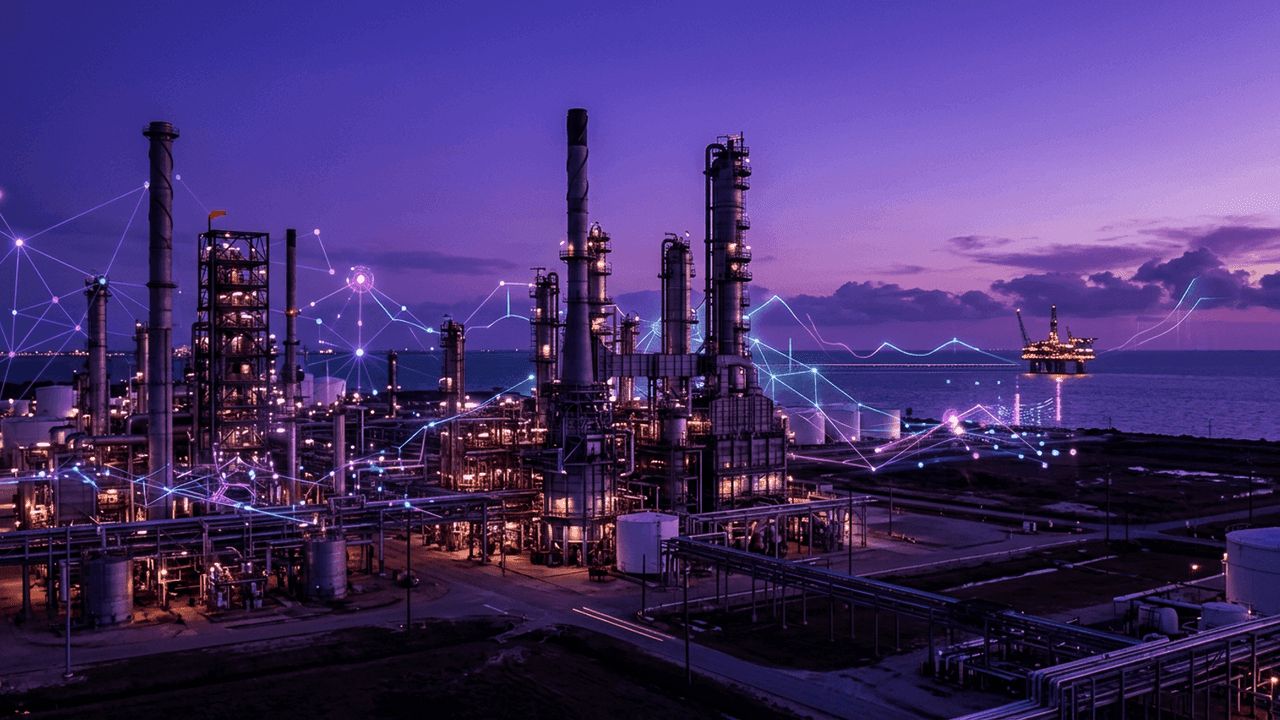
Digitalization is another major trend. Refineries and pipelines increasingly use sensors, predictive maintenance software, and automation to improve safety and efficiency. These changes are creating demand for workers who combine traditional operations knowledge with data analytics and control systems skills.
Hurricane preparedness remains a constant priority. After major storms in past decades, operators along Galveston Bay have strengthened flood protection, backup power systems, and emergency response plans to protect facilities and surrounding communities.
Career and Business Opportunities
For League City residents, the oil and gas sector offers careers ranging from process operators and instrument technicians to engineers, accountants, and environmental specialists. Local businesses can also benefit as suppliers of maintenance services, equipment, staffing, catering, and logistics. Building relationships with contractors that support turnarounds and capital projects is often an effective entry point.
Final Thoughts
The oil and gas industry remains a powerful economic engine for League City and the entire Gulf Coast. With global leaders like ExxonMobil, Chevron, and Shell alongside regional heavyweights such as Marathon Petroleum, Valero, and Enterprise Products Partners, the Bay Area will continue to play a central role in meeting the world's energy needs.