
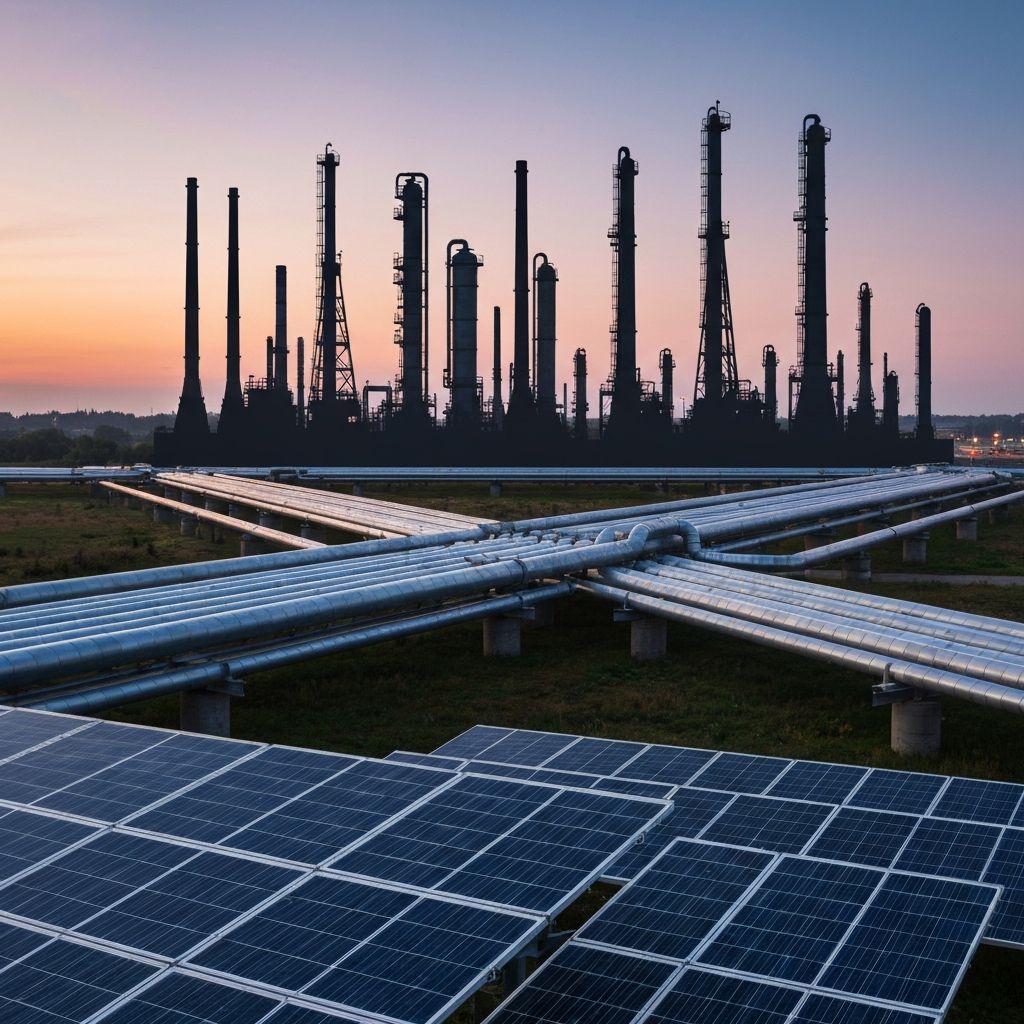
Germany's Oil and Gas Industry Overview
Despite its strong renewable energy push, Germany remains one of Europe's largest consumers of oil and natural gas. The country relies heavily on imports for both fuels, with extensive infrastructure for refining, storage, distribution, and trading. The oil and gas sector continues to play a vital role in transportation, heating, industry, and chemical manufacturing.
The Strategic Importance of Oil and Gas
Although Germany is transitioning away from fossil fuels, oil and gas will remain critical for years to come, especially in heavy industry, aviation, and chemicals. Companies in the sector are also pivoting toward biofuels, hydrogen, and carbon capture, positioning themselves for the energy transition.
Top 10 Best Oil and Gas Companies in Germany
1. Shell Deutschland — A subsidiary of Royal Dutch Shell, Shell operates refineries, fueling stations, and lubricants production, while also expanding into hydrogen and EV charging.
2. BP Europa SE — Headquartered in Hamburg, BP operates a major refinery and runs Aral, one of Germany's largest fuel station networks.
3. TotalEnergies Deutschland — A major player in fuels, lubricants, and increasingly renewables, TotalEnergies operates refineries and a wide service station network.
4. Rosneft Deutschland — A significant player in German refining, particularly through stakes in major refineries serving eastern Germany.
5. ExxonMobil Central Europe Holding — Known under the Esso brand, ExxonMobil supplies fuels, lubricants, and petrochemicals across Germany.
6. Wintershall Dea — One of Germany's largest independent oil and gas producers, Wintershall Dea operates upstream assets in Europe, North Africa, and Latin America.
7. Mabanaft — A subsidiary of the Marquard & Bahls Group, Mabanaft is a leading independent supplier of petroleum products and increasingly low-carbon fuels.
8. Uniper — Originally focused on power and gas, Uniper plays a major role in natural gas trading, storage, and supply across Europe.
9. VNG AG — Based in Leipzig, VNG specializes in natural gas trading, storage, and biogas, supporting energy security across central and eastern Germany.
10. Open Grid Europe — One of Germany's largest gas pipeline operators, ensuring efficient and secure transmission of natural gas throughout the country.
Refining and Distribution
Germany hosts numerous refineries, including major facilities in Ingolstadt, Karlsruhe, Schwedt, and Leuna. These refineries process crude oil into fuels, petrochemicals, and lubricants. A robust pipeline and logistics network connects production facilities to distribution centers and consumers.
Natural Gas Sector
Natural gas is critical for heating millions of German homes and powering industries. The country has invested heavily in LNG terminals, storage facilities, and pipeline diversification, especially following recent geopolitical shifts that disrupted traditional supply routes.
Energy Transition Strategies
German oil and gas companies are actively investing in low-carbon energy solutions. This includes producing renewable fuels, developing hydrogen value chains, expanding EV charging networks, and exploring carbon capture and storage. Their existing infrastructure and expertise position them as key partners in the energy transition.
Regulatory Environment
The sector operates under stringent EU and German regulations covering emissions, fuel quality, safety, and competition. Climate policies, carbon pricing, and the EU Emissions Trading System are reshaping investment decisions and operational practices.
Economic Impact
The oil and gas industry contributes significantly to Germany's GDP, tax revenues, and employment. It also supports critical industries such as automotive manufacturing, aviation, chemicals, and shipping.
Future Outlook
While oil and gas demand will gradually decline, the sector will remain vital for decades. Companies are investing in innovation, sustainability, and diversification to stay competitive in a rapidly changing energy landscape.
Conclusion
Germany's oil and gas industry is undergoing a profound transformation. The companies featured above are not only providing essential energy products today but are also helping shape a more sustainable and secure energy future for the country and Europe.