
Ethiopia's Oil and Gas Sector
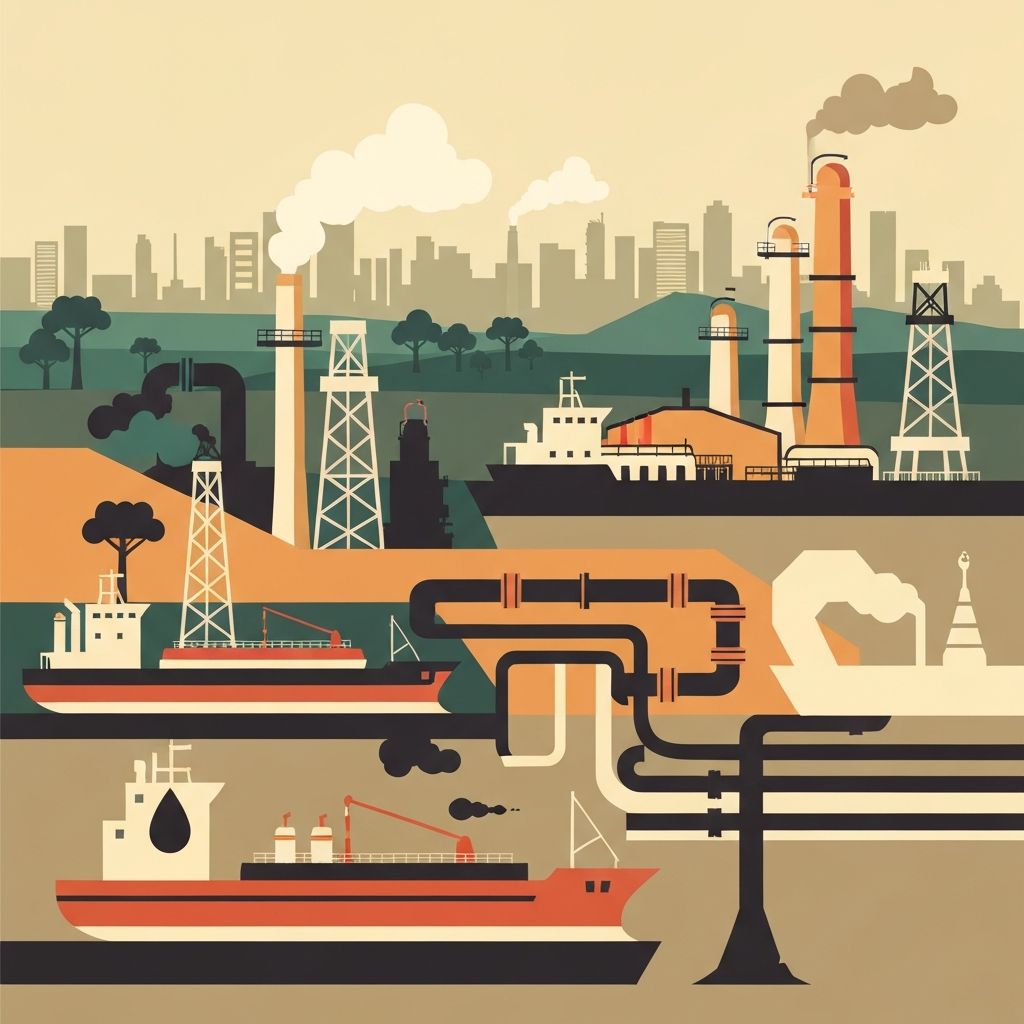
While Ethiopia is best known for its renewable energy ambitions, oil and gas remain critical to its transport, industry, and household energy needs. The country imports the vast majority of its petroleum products and is also actively exploring upstream gas resources, particularly in the Ogaden basin. The sector includes state-owned actors, international oil companies, and a vibrant network of distributors and service providers.
The companies below are among the most influential players in Ethiopia's oil and gas landscape, supporting both day-to-day fuel supply and long-term resource development.
1. Ethiopian Petroleum Supply Enterprise
Ethiopian Petroleum Supply Enterprise is the state-owned entity responsible for procurement, importation, and bulk supply of petroleum products. It plays a central role in ensuring national fuel security.
2. Total Energies Ethiopia
Total Energies Ethiopia, part of the global Total Energies group, operates a wide network of service stations and provides fuels, lubricants, and aviation services. It is one of the most recognizable downstream brands in the country.
3. Oil Libya Ethiopia
Oil Libya Ethiopia operates an extensive retail and commercial fuel network, serving motorists, transporters, and industrial customers with reliable distribution and customer service.
4. NOC Ethiopia
NOC Ethiopia is a major locally driven downstream company offering fuel retail, commercial supply, lubricants, and LPG. Its broad station network supports both urban and regional markets.
5. YBP Petroleum
YBP Petroleum is an active player in fuel distribution and lubricant supply, with a focus on commercial customers in transport, construction, and manufacturing.
6. Tafat Oil
Tafat Oil provides fuel retail and commercial distribution services, contributing to competition and accessibility in the downstream market.
7. Kobil Ethiopia
Kobil Ethiopia offers a strong presence in retail fueling and commercial supply, supported by lubricant brands and modern station infrastructure.
8. POLY GCL Petroleum Investments
POLY GCL Petroleum Investments has been engaged in upstream exploration and development activities in the Ogaden basin, focusing on natural gas resources with significant long-term potential.
9. Africa Oil Ethiopia
Africa Oil Ethiopia represents the country's exposure to international upstream exploration partnerships, contributing to the development of hydrocarbon resources in frontier areas.
10. Habesha Oil and Gas Services
Habesha Oil and Gas Services rounds out the list as a service company providing transport, logistics, and technical support to upstream and downstream players in the sector.
Downstream Operations
The downstream segment is the most visible part of the oil and gas industry in Ethiopia, encompassing import logistics, storage, distribution, retail fueling, lubricants, LPG, and industrial supply. Modernization of service stations, digital payment integration, and improved logistics networks have enhanced customer experience and supply reliability across the country.
Upstream Exploration
Ethiopia has long sought to develop its hydrocarbon resources, particularly in the Ogaden basin and other sedimentary regions. Natural gas, in particular, holds promise for domestic industrial use, power generation, and potential exports. Upstream development requires significant investment, careful environmental management, and stable regulatory frameworks, all of which are evolving.
Sector Importance
Petroleum products fuel transport, industry, agriculture, and household activities. Reliable supply is critical for the economy, and disruptions can have wide-reaching effects on prices and growth. The sector also contributes meaningfully to government revenues through taxes and duties, while creating skilled employment in logistics, engineering, and retail.
Trends and Challenges
Foreign exchange constraints, global price volatility, and complex logistics from import ports remain ongoing challenges. At the same time, the sector is gradually integrating cleaner fuels, more efficient logistics, and digital tools. The expansion of LPG, particularly for cooking, is a notable trend reducing reliance on traditional biomass.
The Energy Transition Context
Even as Ethiopia accelerates its renewable energy buildout, oil and gas will remain part of the energy mix for years to come, particularly in transport and heavy industry. Forward-looking companies are exploring biofuels, gas-to-power options, and infrastructure that can adapt to lower-carbon fuels in the future.
Conclusion
The companies above represent the breadth of Ethiopia's oil and gas sector, from upstream explorers and state agencies to modern downstream brands and service providers. Together, they ensure energy availability for millions of consumers and businesses while supporting the country's broader economic ambitions. As the global energy landscape evolves, these players will continue to adapt, balancing reliability, affordability, and sustainability in the years ahead.