
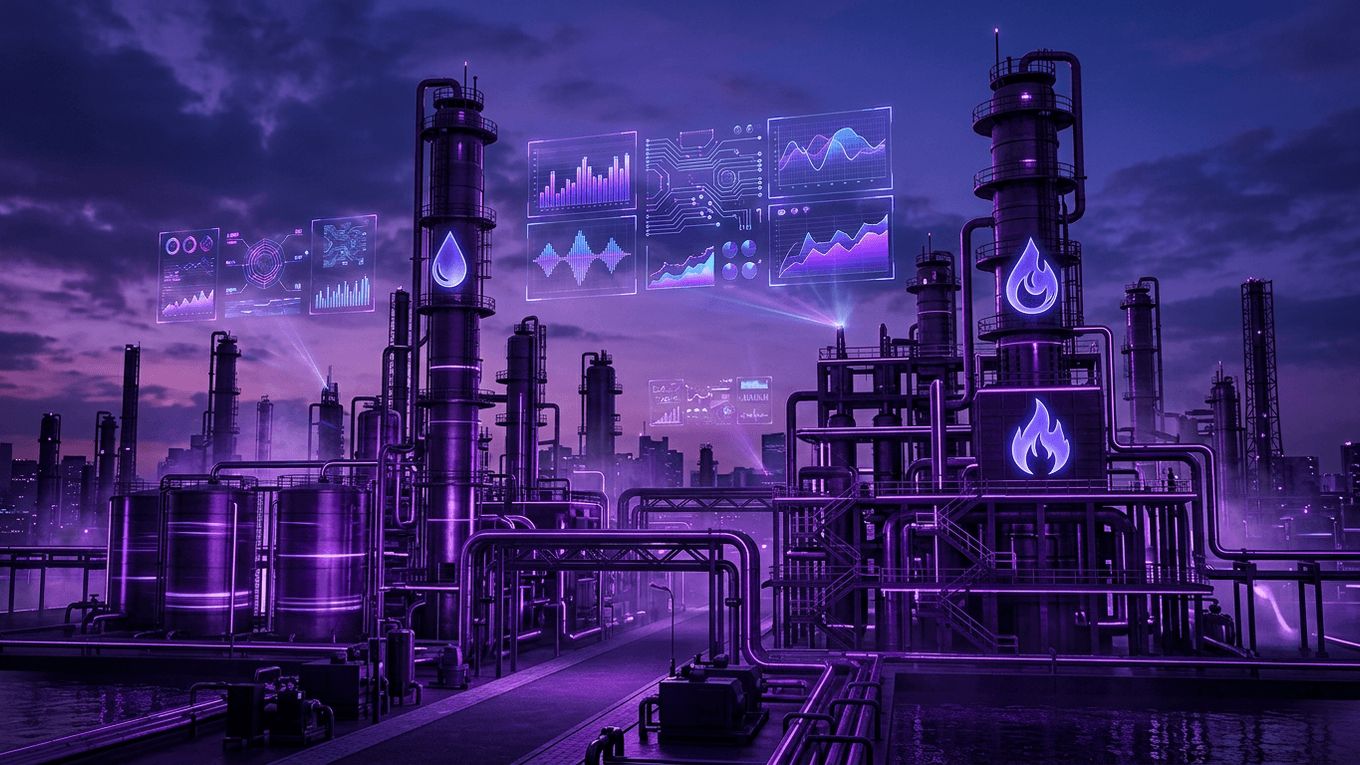
Edison's Place in the Regional Energy Network
Edison is located in the heart of one of the most important energy corridors in the Northeast. Major interstate natural gas pipelines cross Middlesex County, delivering fuel to homes, businesses, and power plants. Nearby refineries and petroleum terminals along the Arthur Kill and Raritan Bay supply gasoline, diesel, heating oil, and jet fuel to the entire New York metropolitan area. The New Jersey Turnpike corridor that runs through Edison carries thousands of fuel trucks every day.
Oil and gas remain essential to daily life in Edison, heating homes, fueling vehicles, and powering industry. At the same time, the sector is evolving as companies invest in cleaner fuels, carbon reduction, and safety improvements.
Industry Trends
Natural gas continues to play a major role in New Jersey's electricity generation and home heating. Refiners are investing in efficiency and renewable diesel. Pipeline operators are focused on safety, integrity management, and reducing methane emissions. Electric vehicle adoption is gradually changing fuel demand, while many fuel retailers are adding charging stations and convenience offerings.
The Top 10 Oil and Gas Companies Serving Edison
1. ExxonMobil
ExxonMobil is one of the world's largest integrated energy companies. Its Exxon and Mobil branded stations serve Edison drivers, and the company has a long history in New Jersey, including research operations in the state.
2. Shell
Shell operates branded fuel stations across New Jersey and is involved in natural gas, lubricants, and lower-carbon energy solutions.
3. BP
BP supplies fuel through branded stations and is investing in electric vehicle charging, biogas, and renewable energy as part of its broader energy strategy.
4. Chevron
Chevron is a major integrated energy company with fuel, lubricants, and natural gas operations, and it continues to invest in lower-carbon technologies.
5. Phillips 66
Phillips 66 operates the Bayway Refinery in nearby Linden, one of the most significant refineries on the East Coast, supplying fuels to the New York metropolitan region.
6. Kinder Morgan
Kinder Morgan is one of the largest energy infrastructure companies in North America, operating pipelines and terminals that serve the New Jersey and New York markets.
7. Williams
Williams operates the Transco pipeline system, one of the nation's largest natural gas pipelines, which delivers gas to utilities and power plants throughout New Jersey, including Middlesex County.
8. Buckeye Partners
Buckeye operates petroleum pipelines and terminals in New Jersey, supporting the distribution of gasoline, diesel, and jet fuel across the region.
9. Gulf Oil
Gulf Oil is a well-known fuel brand in the Northeast, supplying branded stations and wholesale fuel distribution throughout New Jersey.
10. PSE&G Gas Distribution
PSE&G is New Jersey's largest natural gas distribution utility, delivering gas to homes and businesses across much of the state and investing heavily in pipeline modernization.
Safety and Environmental Responsibility
Edison residents are familiar with the importance of pipeline safety, and the industry has made significant investments in monitoring, inspection, and emergency response. Regulators require rigorous integrity programs, and residents should always call before digging to avoid damaging underground lines. Companies are also working to reduce emissions and leaks as part of broader environmental commitments.
How Consumers Can Make Smart Energy Choices
Homeowners using natural gas or heating oil can lower costs by scheduling annual equipment maintenance, upgrading to high-efficiency systems, and improving insulation. Businesses can negotiate fuel contracts, use fleet management tools, and explore alternative fuels. Comparing suppliers and staying informed about price trends can deliver meaningful savings.
Frequently Asked Questions
Who delivers natural gas to Edison homes?
PSE&G distributes natural gas to much of Edison. Residents can purchase their gas supply from licensed third-party suppliers, but the utility continues to handle delivery, meter reading, and emergency response.
What should I do if I smell gas?
Leave the area immediately without using light switches, phones, or anything that could create a spark. Once safely away, call your gas utility's emergency line or emergency services. Never try to locate the leak yourself.
Why do gasoline prices change so often?
Fuel prices reflect crude oil costs, refinery operations, seasonal fuel blends, taxes, and regional supply and demand. Refinery maintenance or disruptions in the New York Harbor area can cause short-term price swings.
Are oil and gas companies investing in cleaner energy?
Many major companies are investing in renewable fuels, carbon capture, hydrogen, and electric vehicle charging, although the pace and scale of these efforts vary significantly from company to company.
How can businesses manage fuel costs?
Fleet operators can use fuel cards, route optimization, and fixed-price contracts with distributors to stabilize spending. Regular vehicle maintenance and idling reduction policies also deliver meaningful savings over time.
Final Thoughts
Oil and gas companies remain deeply woven into Edison's economy and daily life. From major refineries and pipelines to neighborhood fuel stations and gas utilities, the companies above keep the region moving. As the energy landscape evolves, these firms will continue to play a central role in the transition toward a lower-carbon future.