
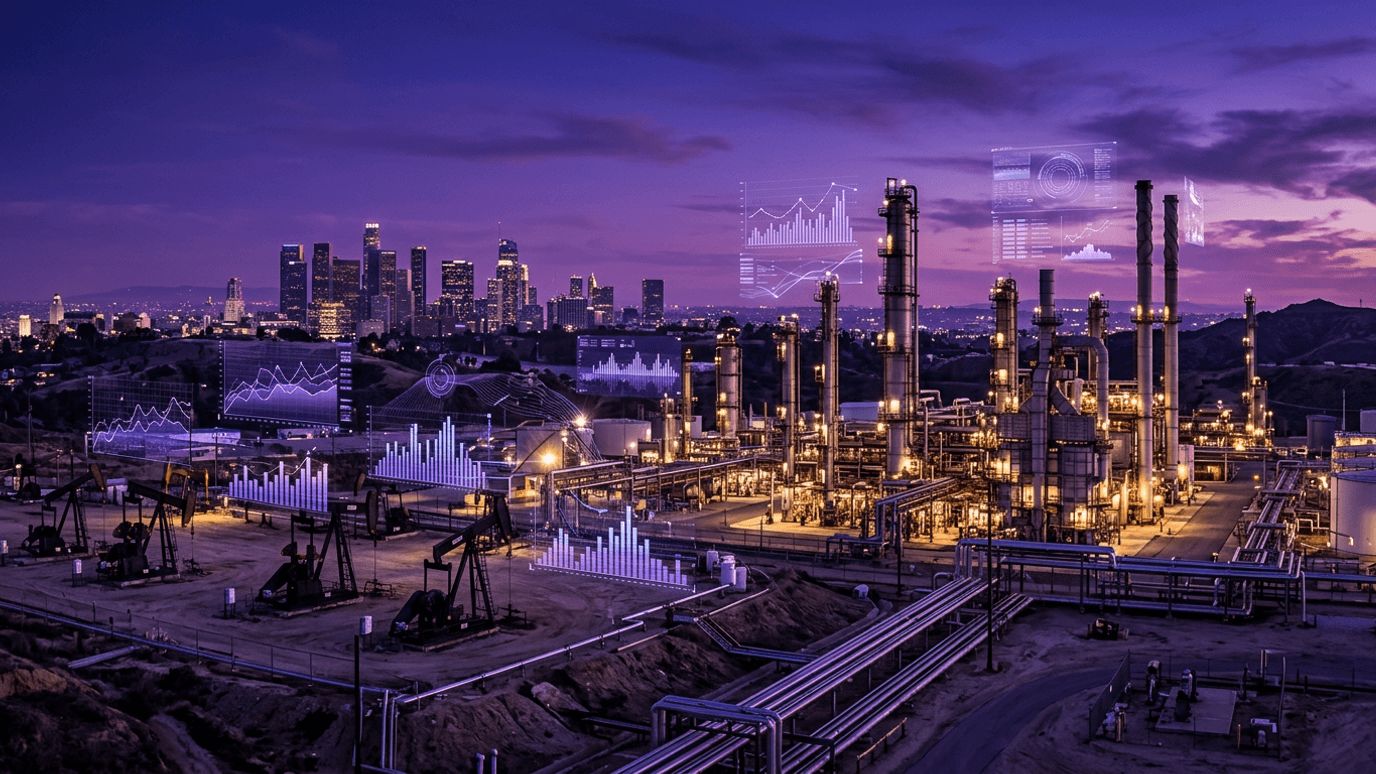
Oil and Gas in the Los Angeles Basin
Los Angeles has a long and complex history with oil. In the early twentieth century, the region was one of the largest oil-producing areas in the world, and oil fields still operate across the Los Angeles Basin today. Refineries in the South Bay and Harbor areas process crude oil into gasoline, diesel, and jet fuel that power the region's vehicles, trucks, and airplanes. Natural gas heats homes, fuels restaurants, and powers industrial processes across East Los Angeles.
At the same time, the industry faces increasing regulation, community concern about health impacts, and pressure to transition toward cleaner energy. Understanding the major companies in this sector helps residents and businesses stay informed about energy supply, prices, and environmental issues. Here are ten of the most significant oil and gas companies operating in and around East LA.
1. Southern California Gas Company
Southern California Gas Company, known as SoCalGas, is the largest natural gas distribution utility in the United States and is headquartered in Los Angeles. It delivers natural gas to homes and businesses throughout East LA. The company is also investing in renewable natural gas and hydrogen research as part of efforts to lower emissions.
2. Chevron
Chevron operates the El Segundo Refinery, one of the largest refineries on the West Coast. The facility produces a significant share of the gasoline and jet fuel used in Southern California. Chevron is also investing in lower-carbon technologies, including renewable fuels and carbon capture.
3. Marathon Petroleum
Marathon Petroleum operates a large refining complex in the Carson and Wilmington area. It produces transportation fuels for the region and has been modernizing operations to meet California's strict environmental standards.
4. Valero Energy
Valero operates the Wilmington Refinery near the Port of Los Angeles. It produces gasoline, diesel, and other fuels and is a major supplier to Southern California markets. Valero is also one of the largest producers of renewable diesel in the country.
5. PBF Energy
PBF Energy owns the Torrance Refinery, which produces gasoline, diesel, and jet fuel for Southern California. The refinery is an important part of the regional fuel supply chain.
6. Phillips 66
Phillips 66 has long operated refining assets in the Los Angeles area. The company has been shifting its California strategy as the state moves toward renewable fuels and lower fossil fuel demand, reflecting broader changes in the industry.
7. California Resources Corporation
California Resources Corporation is one of the largest oil and gas producers in the state. It operates fields in the Los Angeles Basin and elsewhere in California and is developing carbon capture and storage projects through its carbon management business.
8. Sentinel Peak Resources
Sentinel Peak Resources operates oil fields in California, including the Inglewood Oil Field, one of the largest urban oil fields in the country. Its operations are closely monitored due to their proximity to residential neighborhoods.
9. E and B Natural Resources
E and B Natural Resources is an independent oil and gas producer with operations in California. It operates fields in the Los Angeles area and Southern California, contributing to local crude production.
10. Fuel Distributors and Retail Stations
Beyond producers and refiners, East LA depends on fuel distributors and gas station operators to deliver fuel to consumers. Familiar brands such as Shell, Arco, Mobil, and 76 operate stations along major Eastside corridors, while independent distributors supply diesel and propane to local businesses and fleets.
The Role of Oil and Gas in the Local Economy
The oil and gas industry supports jobs in refining, pipeline maintenance, distribution, and engineering. Natural gas remains a key fuel for restaurants, manufacturers, and food processors in and near East LA. Gasoline and diesel power the trucks that move goods through the rail yards and freeways surrounding the community. At the same time, fuel prices in California are among the highest in the nation due to taxes, regulations, and limited refining capacity.
Environmental and Health Considerations
East Los Angeles and neighboring communities have long faced environmental justice challenges, including air pollution from freeways, rail yards, and industrial facilities. California has adopted rules restricting new oil wells near homes, schools, and hospitals, and the City and County of Los Angeles have moved to phase out drilling in certain areas. Community groups continue to advocate for cleaner air and healthier neighborhoods.
The Energy Transition
California aims to dramatically reduce fossil fuel use over the coming decades. Refiners are converting units to produce renewable diesel and sustainable aviation fuel. Utilities are exploring renewable natural gas and hydrogen blending. Building and vehicle electrification are reducing demand for gas and gasoline. These changes will reshape the oil and gas industry in Los Angeles and create new opportunities in clean energy careers.
Final Thoughts
Oil and gas companies remain an important part of the Southern California energy landscape, supplying fuels that power homes, vehicles, and businesses in East Los Angeles. The companies on this list represent the major producers, refiners, and distributors in the region. As the energy transition accelerates, these companies and the communities they serve will continue to evolve toward a cleaner and more sustainable future.