
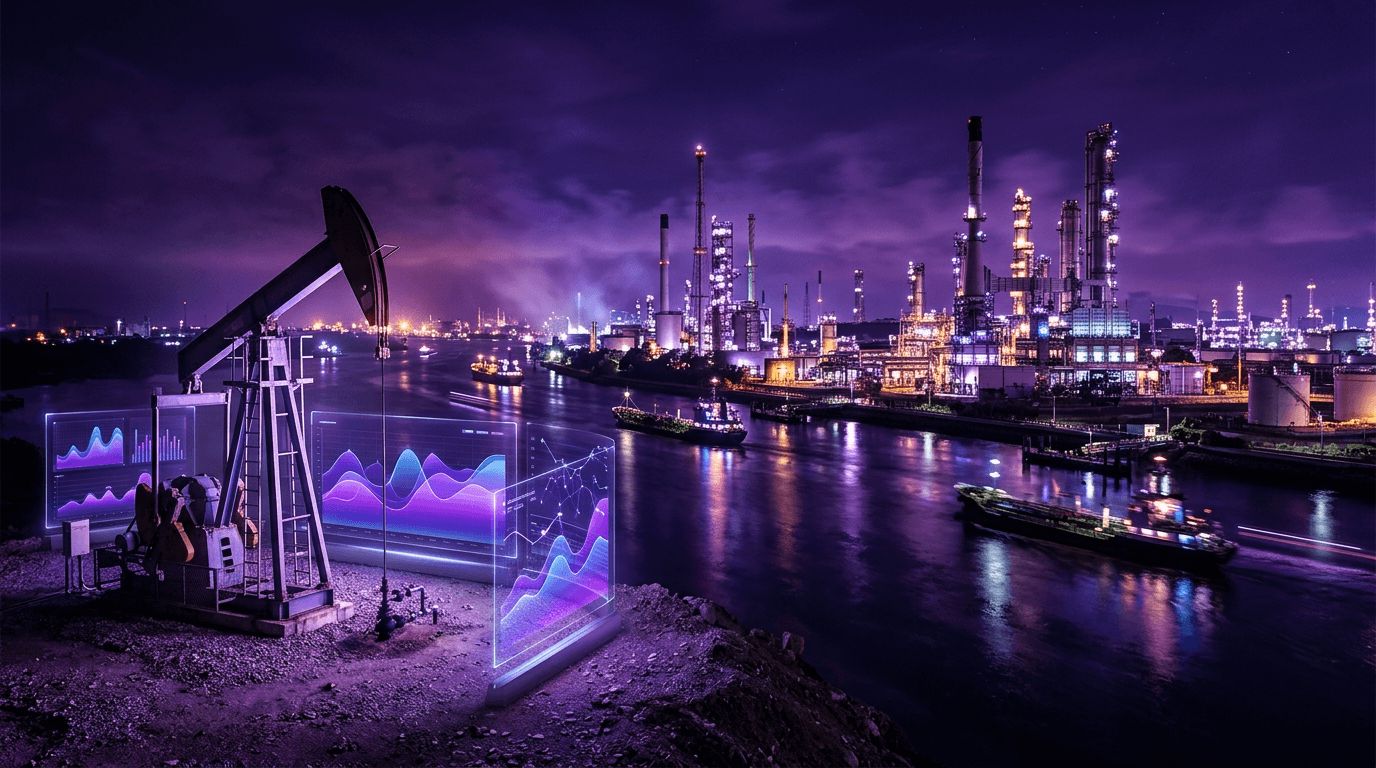
Beaumont: Where the Modern Oil Industry Began
On January 10, 1901, the Lucas Gusher at Spindletop Hill erupted just south of Beaumont, marking the beginning of the modern petroleum age. The discovery transformed Beaumont into a boomtown and helped launch companies that would become global energy giants. Today, the Spindletop-Gladys City Boomtown Museum preserves that history, while the region's refineries, terminals, and LNG facilities continue to power the world.
The Golden Triangle of Beaumont, Port Arthur, and Orange contains one of the largest concentrations of refining capacity in the United States. The industry supports thousands of jobs and a vast network of contractors and suppliers. Here are ten of the most significant oil and gas companies operating in the area.
1. ExxonMobil Beaumont Refinery
ExxonMobil's Beaumont Refinery is one of the largest refineries in the United States. A major expansion completed in recent years significantly increased its crude processing capacity. The complex produces fuels, lubricants, and chemical feedstocks and employs a large local workforce. Its scale makes it one of the most important industrial facilities in Southeast Texas.
2. Motiva Enterprises
Motiva operates the Port Arthur Refinery, the largest refinery in North America by capacity. Located a short drive from Beaumont, the facility produces gasoline, diesel, jet fuel, and other products. Motiva is a major employer and economic driver for the entire region.
3. TotalEnergies Port Arthur Refinery
TotalEnergies operates a refinery and petrochemical complex in Port Arthur. The facility processes crude oil into fuels and chemicals and is part of the company's integrated energy operations along the Gulf Coast.
4. Valero Port Arthur Refinery
Valero's Port Arthur Refinery is a high-complexity facility capable of processing heavy crude oil. Valero is one of the largest independent refiners in the world, and its Port Arthur operations contribute significantly to regional fuel production.
5. Energy Transfer Nederland Terminal
Energy Transfer operates a massive crude oil and natural gas liquids terminal in Nederland, near Beaumont. The terminal is a key hub for storage and export, connecting pipelines to marine docks along the Sabine-Neches Waterway.
6. Golden Pass LNG
Golden Pass LNG, a joint venture involving QatarEnergy and ExxonMobil, is developing a major liquefied natural gas export facility near Sabine Pass. The project represents a significant investment in the region and strengthens the Gulf Coast's role in global LNG markets.
7. Port Arthur LNG
Sempra Infrastructure's Port Arthur LNG project is another major liquefied natural gas export development in the area. Once operational, it will add substantial export capacity and long-term employment opportunities.
8. Chevron Phillips Chemical
Chevron Phillips Chemical operates petrochemical facilities in the Port Arthur area, producing chemicals derived from oil and gas feedstocks. Its operations connect upstream energy production with the manufacturing of plastics and other essential materials.
9. Phillips 66 Beaumont Terminal
Phillips 66 operates a large terminal in the Beaumont area for crude oil and refined product storage and distribution. The facility supports the movement of energy products through pipelines and marine shipping.
10. Jefferson Energy Companies
Jefferson Energy Companies operates a crude oil and refined products terminal in Beaumont, providing storage, rail, and marine services. Its terminal adds flexibility and capacity to the region's energy logistics network.
The Oil and Gas Industry's Local Impact
Oil and gas facilities are the backbone of Beaumont's economy. Beyond direct employment, they support contractors, engineering firms, equipment suppliers, transportation companies, and service businesses. Refinery turnarounds, when facilities shut down units for maintenance, bring thousands of temporary workers to the area and boost local hotels, restaurants, and retailers.
The industry also supports education and community programs, funding scholarships, workforce training, and local nonprofits. Lamar University and Lamar Institute of Technology prepare students for careers as process operators, engineers, and technicians.
Key Industry Trends
LNG export growth is one of the most significant trends in Southeast Texas, with multiple major projects underway. Refineries are investing in efficiency, safety, and emissions reductions, including carbon capture and lower-carbon fuels. Digital technologies such as advanced process control, predictive maintenance, and drone inspections are improving operations.
Workforce development remains a priority as experienced workers retire. Companies are partnering with schools and training programs to build the next generation of skilled employees.
Careers in Oil and Gas
The industry offers well-paying careers for process operators, instrumentation technicians, electricians, engineers, safety professionals, and logistics specialists. Many positions require technical training rather than a four-year degree, making them accessible to local residents. Strong safety records and continuous learning are essential for success.
Safety and Community Relations
Operating large refineries and terminals near residential neighborhoods requires a strong commitment to safety and transparency. Many facilities participate in community advisory panels, emergency preparedness drills, and environmental monitoring programs. These efforts help build trust with residents and ensure coordinated responses to incidents or severe weather. Companies that invest in safety culture also tend to experience fewer disruptions and stronger workforce retention.
Conclusion
From the Spindletop gusher to today's world-scale refineries and LNG terminals, Beaumont's oil and gas industry remains central to the city's identity and economy. The companies above represent the leading operations shaping the region's energy future, combining a proud history with ongoing investment and innovation.