
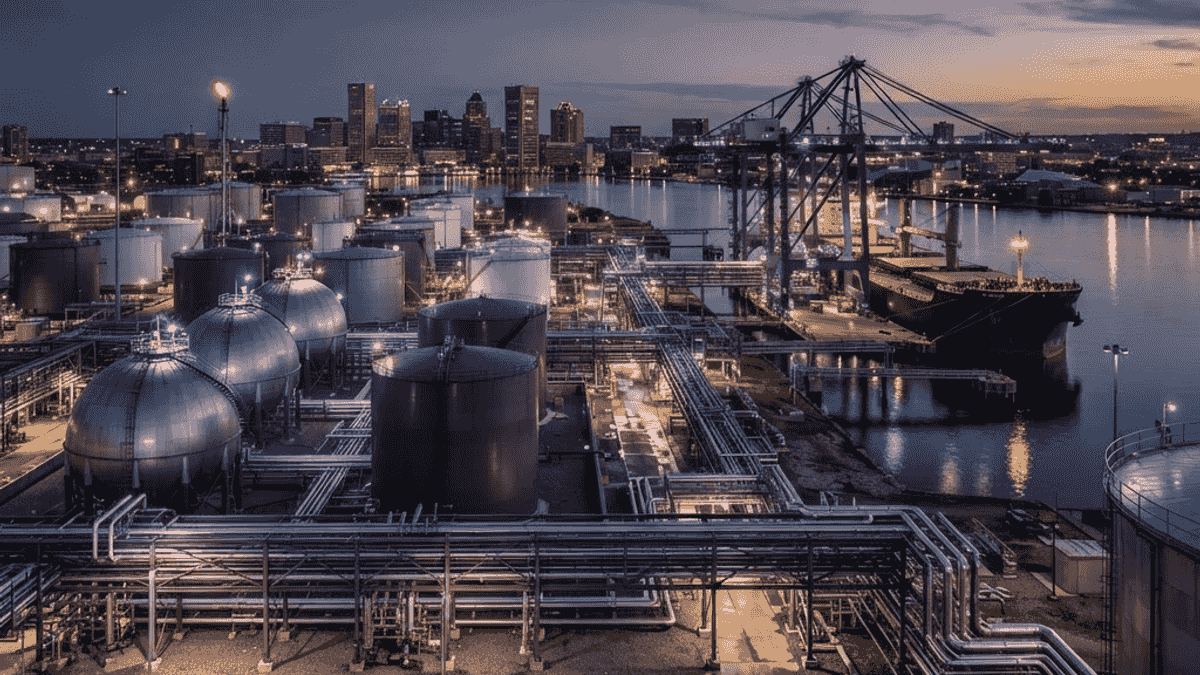
The Role of Oil and Gas in Baltimore
Despite the growing focus on renewable energy, oil and gas remain essential to Baltimore's economy and daily life. From heating homes through cold Chesapeake winters to fueling the trucks and ships that move goods through one of the busiest ports on the East Coast, petroleum products continue to underpin the region's energy needs. The companies that supply, refine, distribute, and service these products form a sophisticated network that prioritizes safety, efficiency, and regulatory compliance.
Baltimore's waterfront location has long made it a strategic point for the storage and transfer of fuels. Marine terminals, pipeline connections, and rail links converge in and around the city, allowing energy companies to serve customers across the Mid-Atlantic. This infrastructure supports a diverse mix of businesses, from large distributors to specialized service providers focused on maintenance, logistics, and environmental protection.
What Defines a Top Oil and Gas Company
The best oil and gas companies in Baltimore distinguish themselves through operational excellence and an unwavering commitment to safety. Handling flammable and hazardous materials demands rigorous training, modern equipment, and strict adherence to federal and state regulations. Leading firms invest heavily in leak detection, spill prevention, and emergency response capabilities to protect both their workers and the surrounding community.
Reliability is equally important. Customers depend on consistent fuel deliveries and stable pricing, particularly commercial clients whose operations cannot tolerate interruptions. Top companies build trust through transparent contracts, responsive customer service, and the financial strength to weather volatile commodity markets. Many also demonstrate environmental responsibility by upgrading equipment, reducing emissions, and investing in cleaner-burning fuel options.
Leading Oil and Gas Companies in Baltimore
Companies such as Patapsco Petroleum Group have established themselves as dependable regional distributors, supplying heating oil and diesel to both residential and commercial clients. Harbor City Energy specializes in wholesale fuel logistics, coordinating deliveries across the port and beyond. Chesapeake Fuel Services focuses on commercial fleet fueling and bulk supply, keeping businesses moving efficiently.
Other prominent names include Monument Gas & Oil, known for its natural gas distribution expertise, and Locust Point Terminals, which manages critical storage and transfer operations along the waterfront. Bay State Petroleum provides comprehensive maintenance and equipment services for fuel systems, while Inner Harbor Energy Partners concentrates on commercial accounts and long-term supply agreements. Rounding out the list are Canton Fuel Distributors, Federal Hill Energy Solutions, and Fells Point Oil Company, each offering specialized services that keep the region's energy supply flowing smoothly.
Industry Trends and Innovations
The oil and gas industry in Baltimore is evolving in response to both market forces and environmental expectations. Many companies are diversifying their offerings, adding renewable diesel, biofuels, and natural gas services to complement traditional petroleum products. This transition allows them to serve customers who want lower-carbon options while maintaining the reliability that fossil fuels have long provided.
Technology is also transforming operations. Advanced logistics software optimizes delivery routes and inventory management, reducing costs and emissions. Automated monitoring systems track storage tanks and pipelines in real time, improving safety and enabling faster responses to potential issues. These innovations help Baltimore's energy companies operate more responsibly while staying competitive.
Making the Right Choice
Selecting an oil and gas partner in Baltimore depends on a customer's specific needs, whether that means residential heating oil, commercial fleet fueling, or large-scale wholesale supply. Businesses should look for providers with strong safety records, transparent pricing, and the capacity to deliver consistently even during peak demand.
The companies featured here represent the strength and reliability of Baltimore's oil and gas sector. By understanding each firm's specialties and service approach, customers can find a trusted partner capable of meeting their energy requirements today while adapting to the changing landscape of tomorrow.
Questions to Ask Before Making a Decision
A thoughtful selection process should include direct questions about capacity, lead times, quality controls, workforce expertise, and contingency planning. Ask each prospective company to explain how it manages projects from the first consultation through delivery and ongoing support. Clear answers reveal whether the organization has mature processes or relies on improvised solutions. It is equally useful to request examples of comparable work, references from established customers, and details about insurance, certifications, warranties, and service agreements. These checks help buyers compare meaningful evidence rather than marketing claims alone.
Baltimore-specific considerations deserve attention as well. Companies familiar with the city's industrial corridors, port operations, transportation network, labor market, permitting procedures, and environmental requirements can often identify challenges earlier. Local knowledge is especially valuable when a project involves waterfront access, heavy freight, historic structures, dense neighborhoods, or coordination with regional utilities. Buyers should discuss how the provider handles scheduling disruptions, material shortages, extreme weather, and other conditions that can affect work in the Chesapeake region.
Finally, the lowest initial quote is not always the strongest value. Total cost includes product life, energy use, maintenance, downtime, replacement parts, training, and the quality of post-sale support. A well-run company should be willing to explain these trade-offs in plain language and document the assumptions behind its proposal. Comparing providers on safety, reliability, transparency, technical capability, and long-term service produces a more balanced decision. Readers should verify current capabilities and availability directly, since ownership, product lines, service territories, and operating conditions can change over time.