
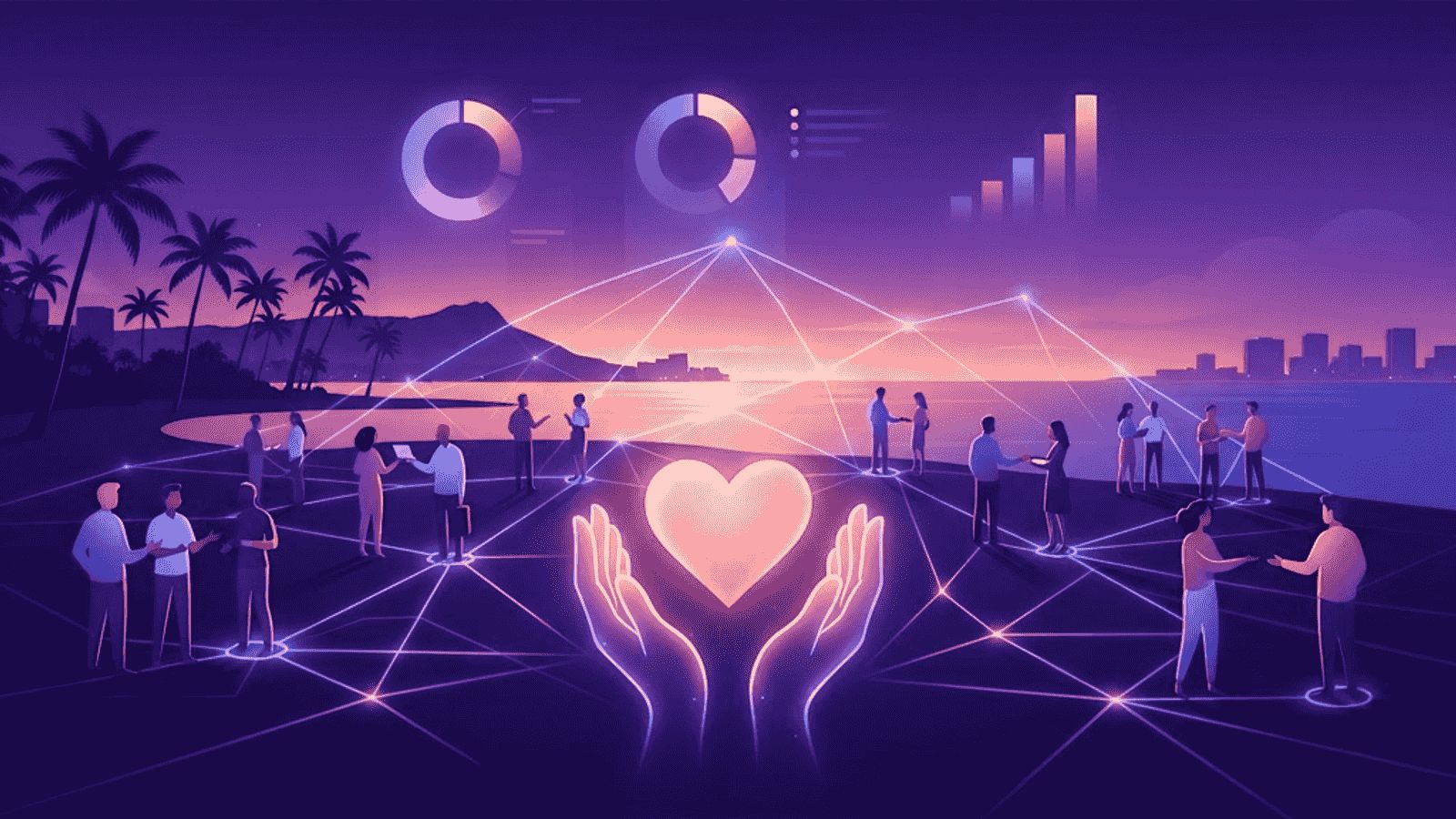
A Community Built on Aloha
Honolulu is home to a vibrant nonprofit sector that embodies the spirit of aloha through service, compassion, and community action. From addressing homelessness and food insecurity to protecting fragile ecosystems and preserving Hawaiian culture, nonprofit organizations across the city work tirelessly to improve lives and safeguard the islands' future. These organizations rely on the dedication of volunteers, donors, and staff who share a common goal: strengthening the community for generations to come.
What Defines an Exceptional Nonprofit
The most effective nonprofits are distinguished by transparency, measurable impact, strong leadership, and deep community engagement. They allocate resources responsibly, communicate their outcomes clearly, and build partnerships that amplify their reach. In Honolulu, where challenges range from the high cost of living to environmental pressures, the best nonprofits address urgent needs while investing in long-term solutions.
Organizations Serving People in Need
Aloha United Way stands as one of the most influential organizations in the state, mobilizing resources and coordinating support across a wide network of partner agencies. Hawaii Foodbank plays a vital role in combating hunger, distributing millions of pounds of food to families and individuals facing food insecurity. Institute for Human Services is a leading force in addressing homelessness, providing shelter, meals, and pathways to stability.
Catholic Charities Hawaii offers a broad spectrum of social services, including housing assistance, counseling, and support for immigrants and seniors. Hawaii Community Foundation channels philanthropic giving into strategic grants that strengthen communities statewide.
Champions of Culture, Youth, and Health
Bishop Museum preserves and celebrates Hawaiian and Pacific culture, serving as both an educational institution and a guardian of heritage. Boys & Girls Club of Hawaii empowers young people through mentorship, education, and enrichment programs that build confidence and character. Kapiolani Health Foundation supports pediatric and family healthcare, ensuring that children across the islands receive quality medical care.
Protecting Hawaii's Natural Treasures
Environmental stewardship is central to many Honolulu nonprofits. The Nature Conservancy of Hawaii works to protect native forests, watersheds, and marine ecosystems that are found nowhere else on Earth. Surfrider Foundation Oahu mobilizes volunteers to keep beaches clean and advocate for ocean protection. These organizations recognize that Hawaii's natural beauty is not only a treasure but also the foundation of its culture, economy, and identity.
How the Community Can Get Involved
Supporting Honolulu's nonprofits can take many forms, from financial donations and in-kind contributions to volunteering time and expertise. Many organizations welcome hands-on participation in beach cleanups, food distributions, mentoring programs, and cultural events. This spirit of collective participation is what allows nonprofits to expand their impact and respond to evolving community needs.
The Challenges Shaping Nonprofit Work on Oahu
Understanding Honolulu's nonprofit sector requires understanding the pressures it responds to. The cost of housing is the defining issue, driving family instability, overcrowding, and homelessness in ways that ripple into health, education, and employment outcomes. Geographic isolation raises the cost of nearly everything, from food and fuel to medical specialists, which stretches both household budgets and organizational operating expenses. Many residents work in tourism dependent roles that proved highly vulnerable to economic shocks, making income volatility a persistent concern.
Environmental pressures add another dimension. Coastal erosion, coral reef decline, invasive species, and freshwater management are not abstract policy topics in Hawaii but immediate community concerns tied to food, culture, and safety. Nonprofits here frequently find themselves working across categories, because a housing organization inevitably encounters health issues and a conservation group inevitably becomes an education provider.
How to Evaluate a Nonprofit Before Giving
Donors who want their contributions to matter should look past emotional appeals and examine how an organization operates. Review the annual report and financial filings to understand revenue sources and how funds are allocated, keeping in mind that a very low overhead ratio can indicate underinvestment in staff and systems rather than efficiency. Look for clearly stated outcomes with numbers attached, such as households housed, meals distributed, students served, or acres restored, and check whether the organization reports on results it did not achieve as well as successes it did.
Governance is equally telling. A functioning independent board, reasonable executive turnover, and published policies on conflicts of interest suggest institutional health. Community rootedness matters too, particularly in Hawaii, where effective work usually depends on genuine relationships with the communities being served rather than programs designed elsewhere and imported.
Meaningful Ways to Contribute
Financial support remains the most flexible form of help, and unrestricted recurring gifts are especially valuable because they let organizations plan, retain staff, and respond to emerging needs rather than only funding predefined projects. Volunteering delivers real value when it is consistent, since most programs invest in training and benefit far more from a reliable monthly commitment than from a single large group visit.
Skilled contributions are often the scarcest resource. Accounting, legal counsel, information technology, human resources, grant writing, and communications expertise can transform a small organization's capacity. In kind donations help when they match stated needs rather than convenience, and businesses can contribute through matching gift programs, paid volunteer time for employees, event sponsorship, or simply hiring from populations that partner organizations serve. Advocacy is the least expensive and frequently most durable contribution, because policy change on housing, healthcare access, and land stewardship affects far more people than any single program can reach.
Conclusion
The nonprofit organizations of Honolulu reflect the very best of the islands' values, uniting people around service, generosity, and care for both community and environment. Through their unwavering commitment, they address pressing challenges while nurturing hope and resilience. Whether focused on feeding families, sheltering the vulnerable, educating youth, or protecting the land and sea, these nonprofits are indispensable pillars of a thriving Honolulu.