
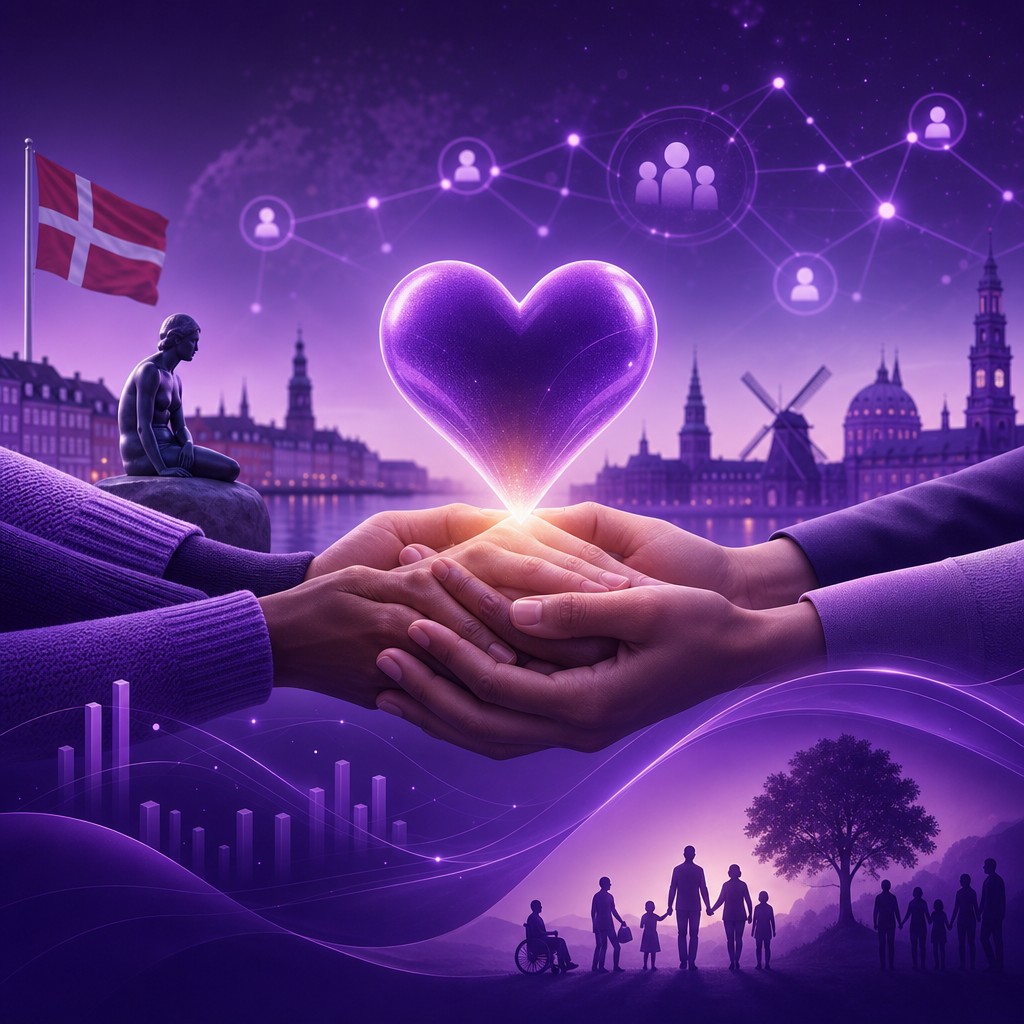
The Spirit of Giving in Denmark
Denmark consistently ranks among the world's happiest and most socially cohesive nations, and its vibrant nonprofit sector plays a major role in that success. Danish charitable organizations are built on a culture of trust, volunteerism, and collective responsibility. Whether responding to global humanitarian crises or strengthening local communities, these nonprofits embody the Scandinavian ideal of caring for one another.
Danish nonprofits operate with remarkable transparency and efficiency. Public trust is high, and donors expect accountability, which encourages organizations to maintain strong governance and measurable impact. This environment has helped many Danish charities grow into internationally recognized institutions.
How Nonprofits Shape Danish Society
Nonprofit organizations in Denmark complement the country's robust welfare state by addressing gaps and championing causes that government programs may not fully cover. They mobilize volunteers, raise awareness, and provide specialized services in areas ranging from refugee support to environmental conservation. Many also play an advocacy role, influencing policy and promoting social justice.
The sector benefits from a strong tradition of civic participation. Danes frequently donate time and money, and corporate partnerships further amplify the reach of leading charities. This combination of grassroots engagement and institutional support makes Danish nonprofits especially effective.
The Leading Nonprofits in Denmark
DanChurchAid (Folkekirkens Nødhjælp) is one of Denmark's most prominent humanitarian organizations, providing emergency relief, food security programs, and long-term development assistance worldwide. It is known for its dedication to fighting hunger and supporting vulnerable communities.
Danish Red Cross (Røde Kors) is a cornerstone of Danish humanitarian work, offering disaster response, integration programs for refugees, and a vast network of volunteers and charity shops across the country.
Save the Children Denmark (Red Barnet) focuses on protecting children's rights, improving education, and safeguarding young people both in Denmark and in crisis zones abroad.
DCA / Mellemfolkeligt Samvirke (ActionAid Denmark) works to combat poverty and inequality through education, advocacy, and grassroots empowerment in partnership with communities in the Global South.
WWF Denmark leads environmental conservation efforts, protecting biodiversity, marine ecosystems, and natural habitats while promoting sustainable living among Danish citizens.
Danish Refugee Council (Dansk Flygtningehjælp) is a globally respected organization assisting displaced people with protection, shelter, and integration support in conflict-affected regions and within Denmark.
Kræftens Bekæmpelse (Danish Cancer Society) funds research, supports patients, and runs prevention campaigns, making it one of the most trusted health-focused nonprofits in the country.
Børns Vilkår dedicates itself to children's welfare, operating helplines and advocacy programs to protect young people from neglect and abuse.
Hjerteforeningen (Danish Heart Foundation) advances cardiovascular research and public health education, helping reduce the impact of heart disease nationwide.
Care Denmark tackles poverty and climate vulnerability, empowering communities—especially women—to build resilient livelihoods in developing nations.
Trends in the Danish Nonprofit Landscape
The Danish charitable sector is evolving alongside changing social needs. Climate action has become a central focus, with environmental nonprofits gaining momentum and broad public support. Digital fundraising and online engagement have transformed how organizations connect with donors, enabling more flexible and far-reaching campaigns.
Collaboration is another growing trend. Danish nonprofits increasingly partner with businesses, municipalities, and international agencies to maximize impact. This collaborative spirit reflects the broader Danish value of working together for the common good.
Transparency and Trust
One of the defining features of Danish nonprofits is their commitment to transparency. Organizations publish detailed reports on how funds are spent, and many adhere to strict ethical guidelines. This openness builds donor confidence and ensures that contributions translate into tangible results.
The high level of public trust in Denmark's charitable sector is not accidental—it is earned through consistent accountability and measurable outcomes. Donors can give with confidence, knowing their support is making a genuine difference.
Getting Involved
For those wishing to support meaningful causes, Denmark offers a wealth of reputable nonprofits across diverse fields. Whether your passion lies in humanitarian relief, children's welfare, health research, or environmental protection, there is an organization making real progress. Volunteering, donating, or simply raising awareness can all contribute to the collective effort.
Denmark's nonprofit sector stands as a testament to the power of compassion and community. These organizations continue to improve lives at home and around the world, reflecting the very best of Danish values.
Volunteering and Community Engagement
Beyond financial donations, volunteering forms the backbone of Denmark's nonprofit sector. A significant share of the population gives their time to charitable causes, whether sorting goods in donation centers, mentoring young people, supporting refugees, or assisting in environmental clean-ups. This culture of active participation strengthens social bonds and ensures that organizations can extend their reach without relying solely on paid staff.
Community engagement also fosters a sense of shared ownership over social issues. When citizens contribute directly to causes they care about, they become advocates and ambassadors, spreading awareness and inspiring others to get involved. This grassroots energy, combined with professional management and institutional partnerships, gives Danish nonprofits a powerful capacity to address both immediate needs and long-term challenges. It is this blend of individual commitment and collective action that keeps Denmark's charitable sector among the most effective and admired in the world.