
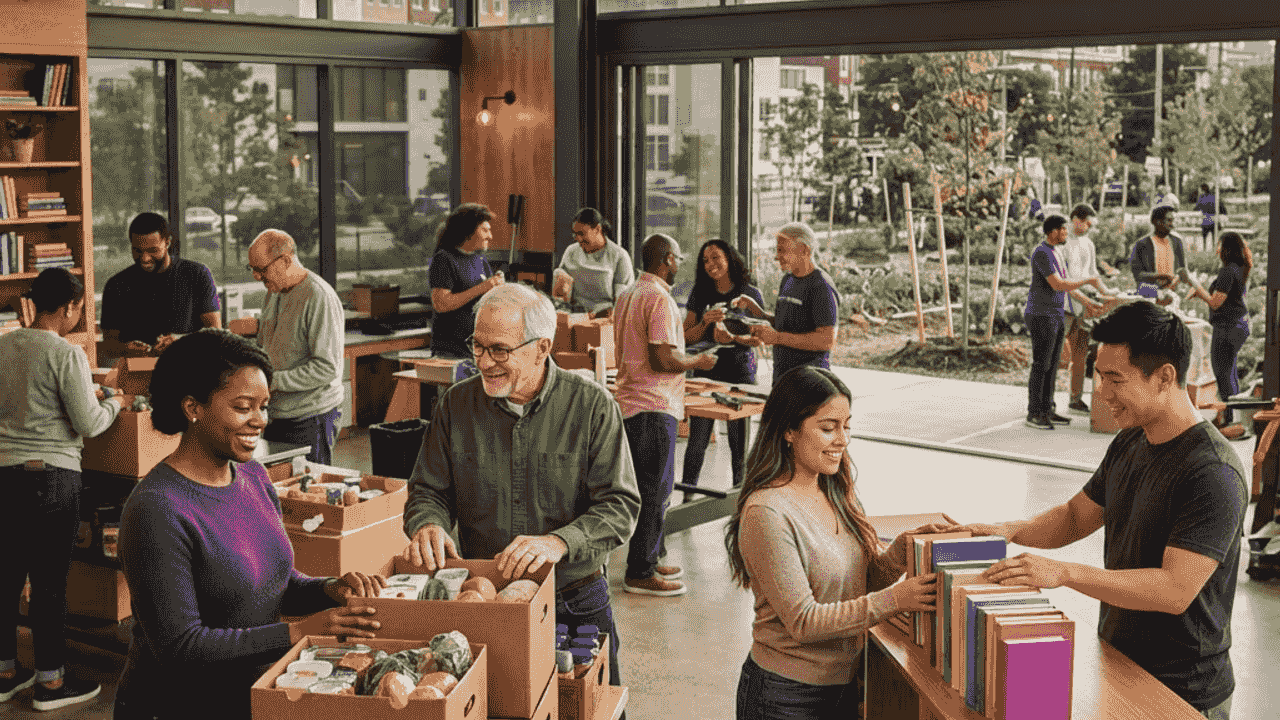
A City Powered by Community Organizations
Baltimore is home to a remarkably active nonprofit sector that addresses many of the city's most pressing challenges. From education and workforce development to housing, food security, healthcare access, and the arts, nonprofits fill critical gaps and strengthen the social fabric of neighborhoods across the city. Their work reflects Baltimore's deep tradition of community organizing and mutual support.
These organizations range from large, well-established institutions with regional reach to grassroots groups deeply rooted in specific neighborhoods. Together they form an ecosystem that mobilizes volunteers, channels philanthropic resources, and delivers services that improve daily life for residents throughout the city.
The Range of Nonprofit Work
Education-focused nonprofits support students through tutoring, mentorship, college access programs, and out-of-school enrichment, helping young people build brighter futures. Housing and community development organizations work to expand affordable housing, revitalize neighborhoods, and support residents facing displacement or homelessness.
Food security remains a central concern, and nonprofits operating food banks, community kitchens, and urban farms help ensure residents have access to nutritious meals. Health-focused organizations address gaps in care, mental health support, and public health outreach, while arts and cultural nonprofits enrich community life and preserve Baltimore's creative heritage. This diversity allows the sector to respond to needs across every dimension of urban life.
What Makes a Nonprofit Effective
Impact is the truest measure of a nonprofit's value. The most respected organizations set clear goals, track their outcomes, and demonstrate tangible improvements in the lives of the people they serve. Transparency about how funds are used builds trust with donors, volunteers, and the broader community.
Strong nonprofits also cultivate deep community engagement, listening to residents and designing programs that reflect real needs rather than assumptions. Effective leadership, sound financial management, and the ability to build partnerships with businesses, government, and other organizations further distinguish high-performing groups. Sustainability, the capacity to continue serving over the long term, is a hallmark of the best organizations.
Trends Shaping the Nonprofit Sector
Collaboration has become increasingly important as nonprofits recognize that complex problems require coordinated responses. Partnerships across organizations, and with businesses and public agencies, amplify impact and reduce duplication. Many Baltimore nonprofits now work together on shared goals such as improving educational outcomes or expanding access to healthy food.
Data and measurement are also transforming the sector, as funders and communities alike expect evidence of results. Technology is helping organizations reach more people, manage volunteers, and communicate their missions more effectively. Meanwhile, a strong emphasis on equity is guiding many nonprofits to focus resources where historical disinvestment has created the greatest need.
Supporting Baltimore's Nonprofit Community
For residents, businesses, and philanthropists looking to make a difference, Baltimore offers a wealth of worthy organizations to support. Choosing where to give time or resources can be guided by an organization's demonstrated impact, transparency, and alignment with a supporter's values and priorities.
The city's nonprofits are essential engines of opportunity, resilience, and community strength. By supporting organizations that combine clear impact with genuine community engagement and sound stewardship, individuals and businesses can help build a more equitable and thriving Baltimore for everyone.