
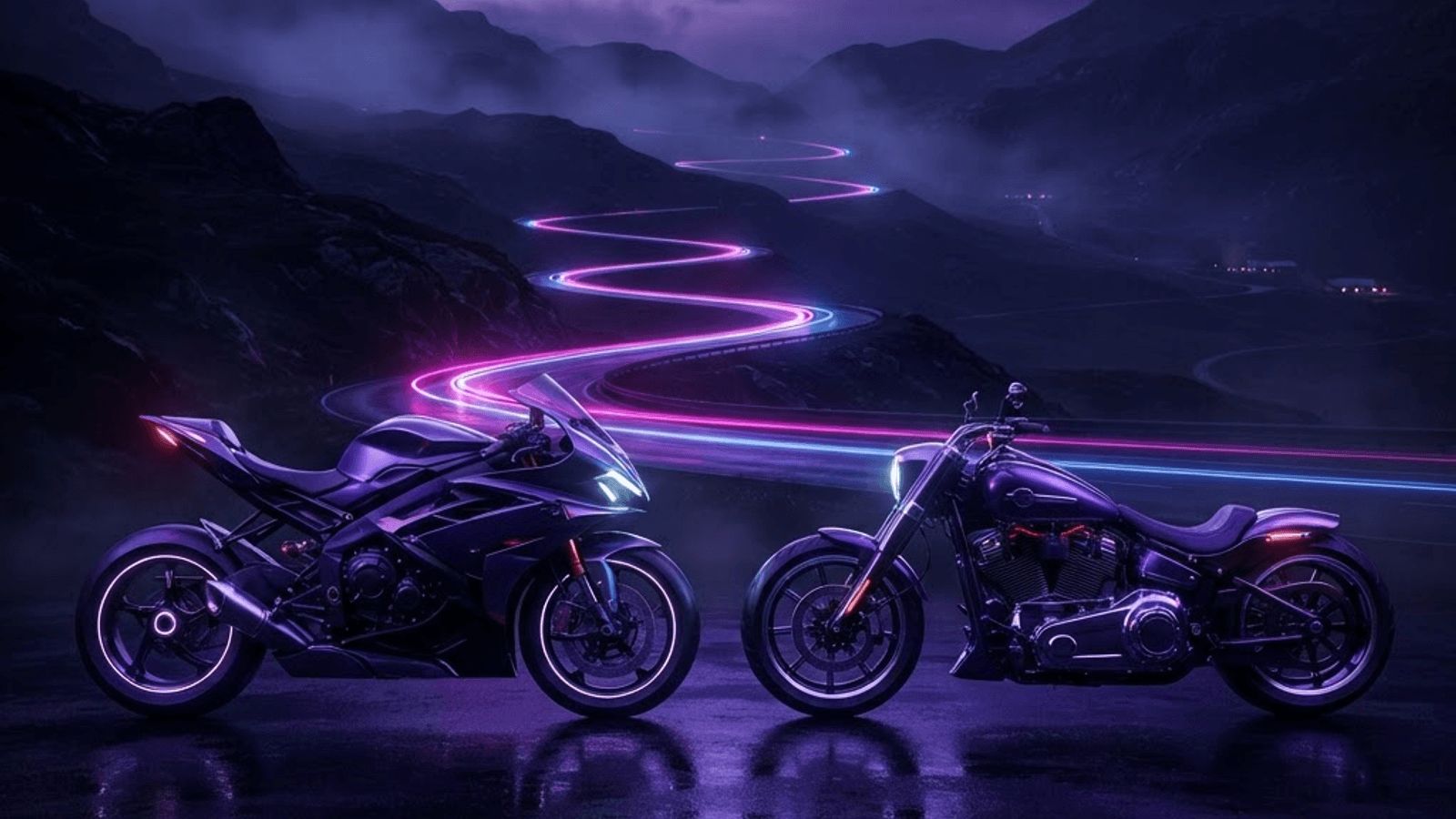
Why Roseville Is a Strong Motorcycling Base
Few places combine riding variety as well as the Roseville area. Within a short ride, motorcyclists reach winding foothill roads climbing toward the Sierra Nevada, long open valley highways suited to touring, and quiet rural routes through orchard and ranch country. The climate permits riding for most of the year, with only limited winter interruption and summer heat that is manageable with early starts and proper gear.
That variety means no single motorcycle category dominates locally. Cruisers, adventure bikes, sport machines, touring rigs, and small commuters all make sense depending on how a rider intends to use them.
Matching a Brand to Your Riding
Before comparing brands, define the riding. Commuting favors lightweight, fuel-efficient machines with comfortable upright ergonomics. Weekend canyon riding rewards responsive handling and strong brakes. Long-distance touring demands wind protection, luggage capacity, and all-day comfort. Mixed-surface exploration toward the foothills suits adventure machines with longer suspension travel.
Rider experience matters just as much. New riders are consistently better served by moderate displacement machines that build skill safely, and every experienced rider will confirm that a manageable motorcycle ridden confidently is more enjoyable than an intimidating one ridden cautiously.
The Top 10 Motorcycle Brands in Roseville
1. Harley-Davidson remains the defining cruiser and touring brand in the region, with a strong local rider community and extensive accessory support. Its touring models are particularly well suited to long valley highway trips, and dealer service networks make long-distance travel worry-free.
2. Honda is the most frequently recommended brand for new and practical riders. Its reputation for reliability is genuinely earned, and its lineup spans small commuters, versatile mid-size standards, adventure machines, and full touring bikes. Resale values are consistently strong.
3. Yamaha offers an exceptionally well-balanced range, with sport, standard, adventure, and cruiser models that consistently review well for handling. Its mid-displacement machines are especially popular locally as capable all-rounders for foothill riding.
4. Kawasaki delivers strong performance value, with sport and naked models that offer considerable capability relative to their price. Its smaller displacement sport bikes are a common first motorcycle for riders learning proper technique.
5. BMW Motorrad dominates the adventure touring category, with machines built for long distances and varied surfaces. Electronic rider aids, comfort over distance, and luggage integration make these popular among riders taking multi-day Sierra trips.
6. Ducati appeals to riders prioritizing character and performance, with distinctive engines and sharp handling that suit twisty foothill roads exceptionally well. Maintenance costs run higher, which prospective owners should factor in.
7. Triumph blends classic styling with modern engineering, and its modern classic range has a strong following among riders wanting traditional looks without traditional unreliability. Its adventure models are similarly well regarded.
8. Indian Motorcycle competes directly in the American cruiser and bagger space, offering strong engines, comfortable touring ergonomics, and distinctive design that has built a loyal regional following.
9. KTM serves the off-road and aggressive adventure segment, with lightweight machines suited to trail riding in the foothills and dual-sport exploration on mixed surfaces.
10. Zero Motorcycles represents the electric segment, offering instant torque, minimal maintenance, and silent operation. For riders whose typical trips fall within battery range, the low running costs and effortless power delivery are compelling, and home charging removes fuel stops entirely.
Buying Considerations Beyond the Badge
Total cost of ownership varies considerably between brands. Insurance rates differ significantly by model category, with sport bikes typically costing far more to insure than cruisers or standards. Maintenance intervals and parts pricing vary widely, and some premium European machines require specialist service that adds both cost and scheduling friction.
Test riding is essential. Ergonomics that suit one rider's proportions can be uncomfortable for another, and no specification sheet substitutes for sitting on the machine and riding it. Reach to the handlebars, seat height, and weight distribution at low speed all matter enormously in daily use.
Safety and Local Riding Conditions
Quality protective gear is the best investment any rider makes, and summer heat makes ventilated armored gear particularly worthwhile rather than a reason to ride unprotected. Completing a formal rider training course improves skill measurably and often reduces insurance costs.
Local conditions deserve respect. Foothill roads can carry gravel washed onto corners after rain, and agricultural areas sometimes have debris or irrigation runoff on the surface. Valley heat affects both rider stamina and tire behavior. Early morning rides are more comfortable and typically see less traffic.
Trends in Motorcycling
Electric motorcycles continue to improve in range and value, gradually widening their appeal. Rider aids including traction control, cornering antilock braking, and adjustable riding modes have moved into mid-priced machines rather than remaining premium features. Adventure and retro styling categories have both grown substantially, reflecting rider interest in versatility and classic aesthetics.
Final Thoughts
Roseville riders have access to every major motorcycle brand and a riding environment that rewards almost any type of machine. The best choice comes from honestly assessing intended use and experience level, test riding several candidates, and factoring in insurance and maintenance alongside purchase price. The right motorcycle is the one that gets ridden often, not the one that looks most impressive parked.