
Metal Fabrication as Infrastructure for the Valley
Every packing line, cooling room, conveyor, equipment guard, and stainless steel work surface in the Salinas Valley came from a metalworks shop. It is an industry that rarely gets attention yet touches nearly everything, and the region's concentration of food processing has pushed local fabricators toward a specific specialty: sanitary stainless steel work built to food industry standards.
That specialty is demanding. Food-contact fabrication requires continuous welds ground smooth, no crevices where product or bacteria can lodge, appropriate surface finishes, and drainage designed so that nothing pools. A weld that would be entirely acceptable on a structural frame is a contamination risk on a produce wash line.
The Top 10 Metalworks Companies Serving Salinas
1. Valley Stainless Fabrication. The leading sanitary fabricator in the region, Valley Stainless Fabrication builds food processing equipment, tanks, conveyor frames, and work surfaces to food industry standards. Its welders are qualified for sanitary work, and its finishing capability produces the surface quality that food safety audits require.
2. Gabilan Machine and Tool. A precision machining operation running computer-controlled mills and lathes, Gabilan Machine and Tool produces components to tight tolerance for equipment manufacturers and maintenance departments. Its capability to reverse engineer and reproduce obsolete parts keeps aging machinery in service.
3. Monterey Bay Structural Steel. Fabricating and erecting structural steel for commercial, industrial, and agricultural buildings, this company handles beams, columns, joists, and connection assemblies. Its certified welding procedures and inspection documentation satisfy building department requirements.
4. Central Coast Sheet Metal. Producing ductwork, enclosures, panels, and formed components, Central Coast Sheet Metal serves mechanical contractors and equipment builders. Its computer-controlled cutting and forming equipment delivers accurate parts that assemble without field adjustment.
5. Alisal Welding Services. A mobile and shop welding operation handling repair, modification, and custom fabrication, Alisal Welding Services serves clients who need work performed onsite. Its field capability matters when equipment cannot be moved or when downtime must be minimized.
6. Harvest Equipment Fabrication. Building custom agricultural equipment, implements, harvest platforms, and field machinery, this fabricator works directly with growers to solve operational problems. Its engineering and build capability produces machines that no catalog offers.
7. Steinbeck Laser and Waterjet. Providing precision cutting services to other fabricators and manufacturers, this company runs laser cutting for sheet metal and waterjet for thick and heat-sensitive materials. Its programming capability turns customer files into finished parts quickly.
8. Oldtown Ornamental Ironworks. Producing decorative and architectural metalwork including railings, gates, fencing, and custom features, this shop serves residential and commercial clients. Its work combines traditional forging techniques with modern fabrication.
9. Pacific Metal Finishing. Providing powder coating, passivation, polishing, and surface treatment to other fabricators, this company performs the finishing that determines corrosion resistance and appearance. Passivation of stainless steel is particularly important in food applications, where it restores the protective surface layer after fabrication.
10. Salinas Metal Recycling and Supply. Operating both as a scrap processor and a supplier of metal stock, this company serves fabricators needing material and manufacturers disposing of waste. Its inventory of remnants and drops offers cost savings for smaller projects.
Fabrication Capabilities Explained
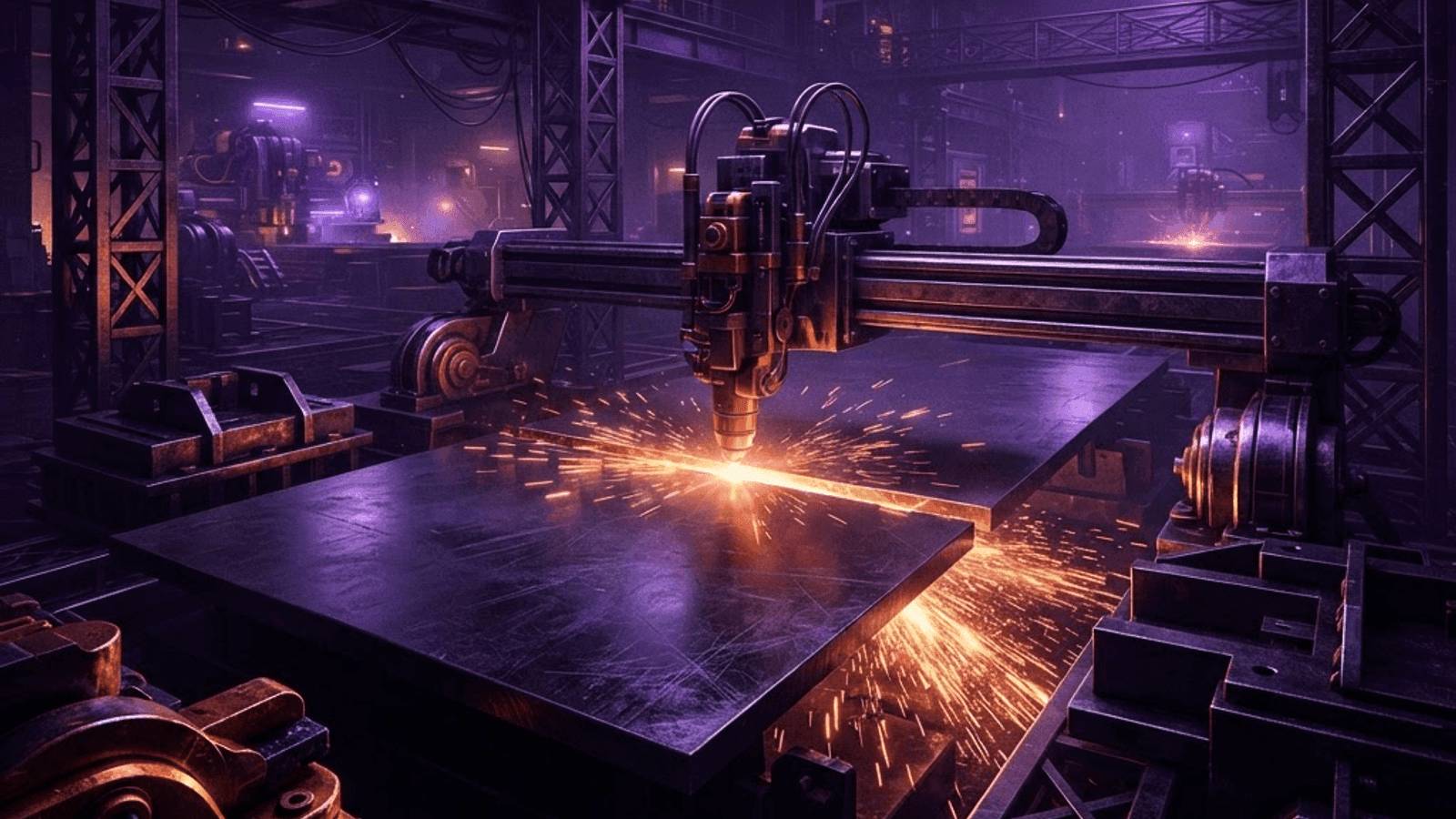
Cutting is the first operation, and the method affects both cost and edge quality. Plasma cutting is fast and economical for thicker steel. Laser cutting produces clean edges with tight tolerance on sheet material. Waterjet cuts without heat, which preserves material properties and handles materials that laser cannot.
Forming bends and shapes material using press brakes, rolls, and specialized tooling, and accurate forming depends on understanding how specific materials behave and spring back.
Welding joins components, with process selection depending on material, thickness, and requirements. Sanitary applications demand specific techniques producing smooth continuous welds free of porosity.
Machining removes material to produce precise features, and computer-controlled equipment produces complex geometry repeatably.
Finishing completes the work through grinding, polishing, coating, or chemical treatment, and in food applications finishing is functional rather than cosmetic, since surface roughness affects cleanability directly.
Standards and Certification
Structural welding follows established codes with qualified procedures and certified welders, and building departments require documentation for inspected work.
Food equipment fabrication follows sanitary design standards specifying surface finish, weld quality, drainage, and the elimination of hollow areas and crevices. Fabricators serving processors should understand these standards thoroughly rather than approximately.
Pressure equipment carries its own code requirements with stamping and inspection obligations, and material traceability matters throughout, since structural and food applications both require documentation of material grade and origin.
Industry Trends
Automation has reached fabrication itself. Robotic welding cells produce consistent welds on repetitive work, and automated cutting with nesting software reduces material waste substantially by optimizing part layout on each sheet.
Digital workflow has transformed the shop floor. Customers now supply three-dimensional models that drive cutting programs directly, reducing errors and shortening lead times considerably compared with interpreting printed drawings.
Material costs and availability have become strategic concerns, and fabricators increasingly advise customers on alternative grades and thicknesses when specified material has long lead times.
Workforce development is the sector's persistent challenge. Skilled welders and machinists are in short supply, and shops that invest in apprenticeship and training have a measurable competitive advantage in capacity and quality.
Choosing a Metalworks Partner
Match capability to requirement. Sanitary stainless work demands different skills and equipment than structural steel, and a shop excellent at one may be unsuited to the other.
Verify certifications relevant to your application, and for food equipment ask specifically about sanitary design experience and request examples.
Evaluate engineering support. Fabricators who review designs and suggest changes that improve manufacturability or reduce cost add value well beyond the shop rate.
Discuss scheduling realistically, since fabrication capacity fluctuates and a shop that promises unrealistic timelines will disappoint. Ask about current backlog directly.
Finally, visit the shop. Organization, equipment condition, and work in progress reveal quality standards more reliably than any sales conversation.
Final Thoughts
Metalworks companies in Salinas build the physical infrastructure the valley's economy runs on. The fabricators profiled here have earned their standing through technical skill, appropriate certification, and reliability when equipment is down and production is waiting. For any operation depending on fabricated equipment, a capable local partner able to respond quickly is worth considerably more than a distant shop offering a lower quote.