
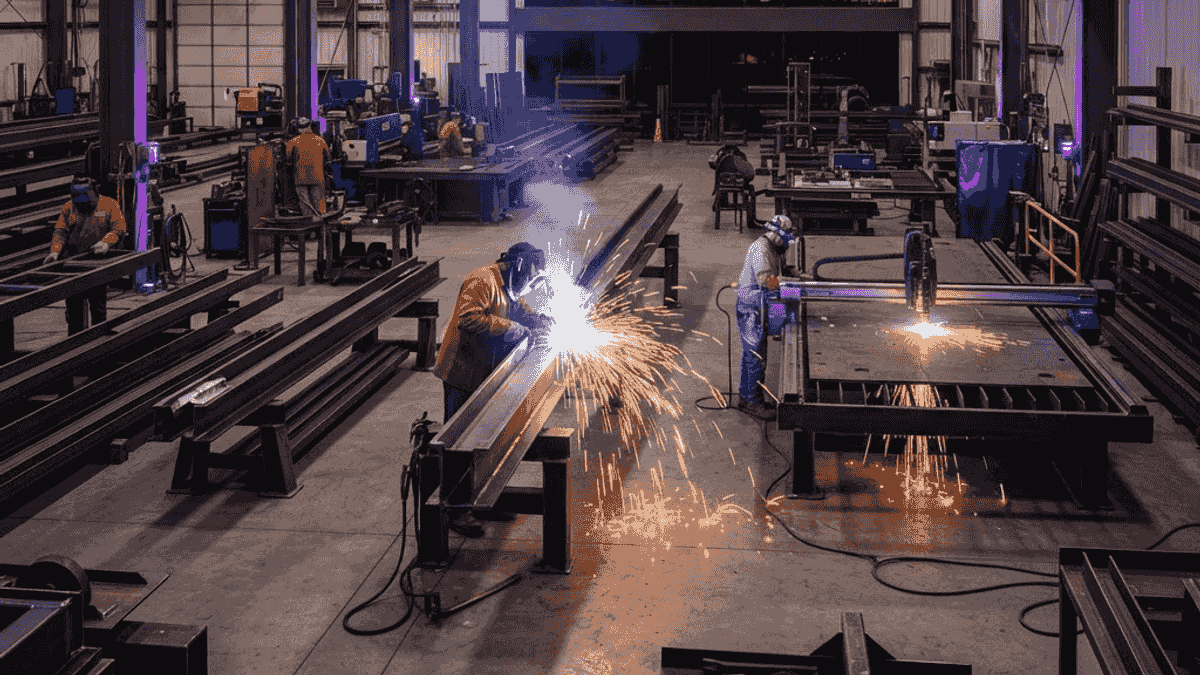
Why Memphis Is a Metalworking Powerhouse
Memphis sits at the crossroads of America's logistics network, and that strategic position has made it a natural home for metalworking companies of every scale. From structural steel fabricators supplying regional construction projects to precision machine shops serving aerospace and medical clients, the city's metal industry reflects the practical, hardworking spirit of the Mid-South. The combination of affordable industrial real estate, a skilled trade workforce, and unbeatable freight access allows fabricators here to compete with much larger markets while keeping lead times short.
Over the past decade, the sector has modernized rapidly. Laser cutting, CNC machining, robotic welding, and computer-driven press brakes are now common on Memphis shop floors, letting companies deliver tight tolerances and complex geometries that were once impossible locally. That technological leap has drawn new clients across industries such as agriculture, transportation, food processing, and heavy equipment manufacturing.
What Sets the Best Fabricators Apart
The strongest metalworks companies in Memphis share a few defining traits. First, they invest continually in equipment, because accuracy and repeatability are only as good as the machines behind them. Second, they employ certified welders and machinists who understand both the science of metallurgy and the craft of finishing a clean weld. Third, they treat project management as seriously as production, communicating clearly on scope, tolerances, and delivery schedules so clients are never surprised.
Quality certifications also matter a great deal. Reputable shops pursue AWS welding qualifications, ISO quality standards, and AISC certification for structural steel. These credentials give buyers confidence that a fabricator can be trusted with load-bearing components, pressure vessels, and other work where failure is not an option.
Structural Steel and Heavy Fabrication Leaders
Several Memphis firms specialize in large-scale structural steel, producing beams, columns, stairs, and platforms for warehouses, distribution centers, and commercial buildings. Companies such as Mid-South Steel Fabricators and Delta Iron Works have built reputations on handling substantial tonnage without sacrificing precision. Their crews often coordinate directly with general contractors and erection teams, delivering pre-fabricated assemblies that speed up job-site installation and reduce on-site labor costs.
Heavy fabrication shops in the area also serve the industrial maintenance market, repairing and rebuilding equipment for manufacturers and river-freight operations along the Mississippi. This blend of new fabrication and repair work keeps their teams versatile and their capabilities broad.
Precision Machining and Custom Metalwork
On the other end of the spectrum are the precision machine shops that thrive on tight tolerances and short runs. Firms like Bluff City Machine and River Region Precision focus on CNC milling and turning, producing parts for medical devices, automation systems, and specialized equipment. Their strength lies in flexibility: they can handle prototypes, one-off components, and moderate production runs with equal skill.
Custom architectural metalworkers round out the field, crafting decorative railings, gates, signage, and ornamental pieces for homes and businesses. These artisans blend traditional blacksmithing techniques with modern tools, giving Memphis a distinctive design identity that shows up in restaurants, hotels, and residential projects across the city.
Trends Shaping the Local Metal Industry
Sustainability is becoming a bigger factor, with shops recycling scrap metal, optimizing material usage through nesting software, and investing in energy-efficient equipment. Automation continues to expand as well, helping companies address the ongoing shortage of skilled labor while improving consistency. Many fabricators are also adding in-house powder coating and finishing to offer turnkey services rather than sending work out.
Another notable trend is the rise of digital collaboration. Clients now share 3D CAD models directly, and fabricators use them to program machines and verify fit before a single cut is made. This reduces errors and shortens the path from design to delivery.
Choosing the Right Metalworks Partner
When selecting a metalworks company in Memphis, buyers should look beyond price. Consider the shop's core specialties, the certifications it holds, its capacity to meet your timeline, and its track record with similar projects. A quick facility tour reveals a great deal about organization, safety culture, and equipment quality. Asking for references and examples of past work helps confirm that a fabricator can deliver on its promises.
Ultimately, the best metalworks companies in Memphis succeed because they combine technical excellence with dependable service. Whether you need a single machined part or an entire structural steel package, the city offers a deep bench of talented fabricators ready to bring your project to life.
A Practical Evaluation Process
Before opening an account, create a short requirements sheet covering expected order volume, preferred delivery windows, storage limits, quality standards, and the support your team needs. Share the same information with each candidate so comparisons remain fair. Request a representative sample order and observe not only the product itself, but also packaging, paperwork accuracy, tracking updates, and the condition of the shipment on arrival. A small trial often reveals more about daily performance than a polished sales presentation.
Ask how the supplier manages shortages, substitutions, damaged goods, returns, and seasonal demand. Strong operators explain these policies clearly and document them in writing. Buyers should also review payment terms, minimum quantities, freight charges, restocking fees, and any discounts tied to volume. The lowest unit price may not produce the lowest overall cost when delays, waste, or difficult returns are considered. For Memphis businesses, delivery coverage across the metropolitan area and access to regional freight routes can materially affect both speed and expense.
Finally, assign measurable standards for the first several orders. Track fill rate, on-time delivery, order accuracy, response time, and product quality. Discuss results with the account representative and look for a willingness to solve problems rather than deflect them. Maintaining a qualified secondary source for critical items can also protect operations during unexpected disruptions. The most valuable wholesale relationship is built gradually through consistent performance, transparent communication, and mutual planning. With a structured selection process, Memphis buyers can identify partners that support dependable service today and have the capacity to grow alongside their business tomorrow.