
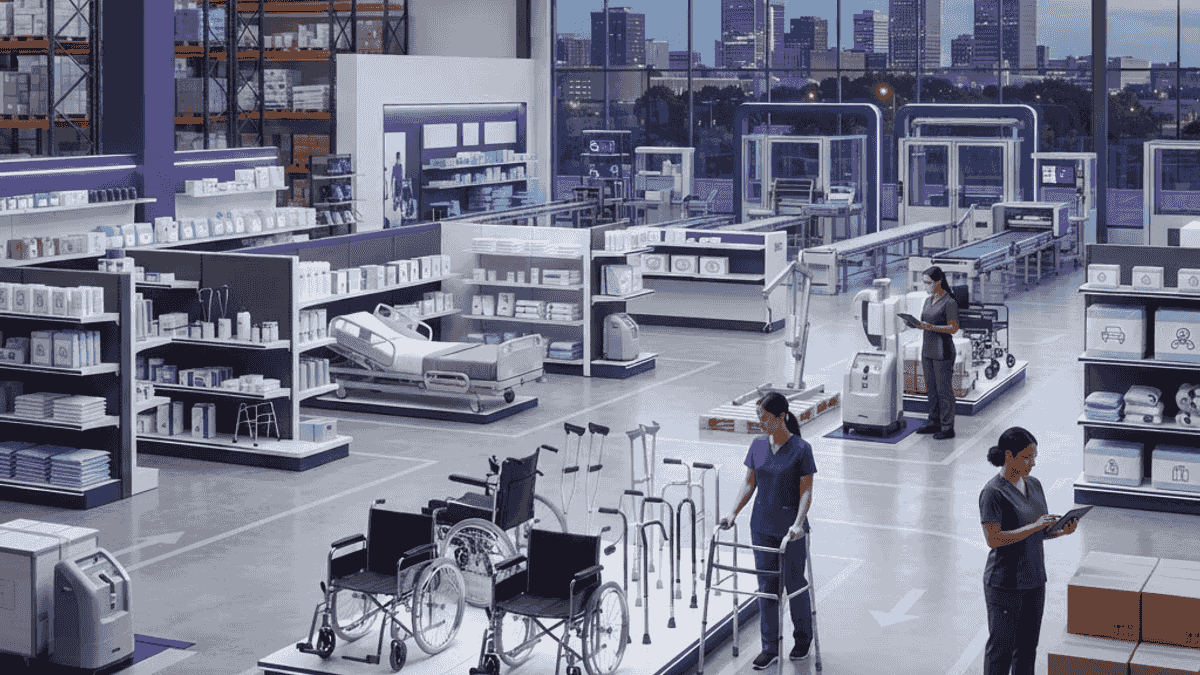
Medical equipment and supplies in Oklahoma City
Medical supply companies connect prescriptions and care plans with the equipment people use every day. Their work may include mobility aids, oxygen systems, sleep therapy equipment, hospital beds, diabetic products, wound supplies, and clinical inventory. Good service involves more than delivering a box: fit, instruction, maintenance, insurance documentation, and timely replacement can all affect safety.
The Oklahoma City market includes local specialists and national providers. Product lines and payer contracts change, so customers should verify that a supplier carries the prescribed item and participates with their insurance.
1. 180 Medical
Based in the Oklahoma City area, 180 Medical specializes in catheter and related disposable medical supplies. Its focused model supports recurring fulfillment and education for customers managing long-term needs. A specialized supplier can be helpful when product choice, privacy, dependable shipping, and insurance documentation are especially important.
2. Mercy Home Medical Equipment
Mercy's home medical equipment services connect patients with products needed after hospitalization or for ongoing care. Health-system affiliation can streamline discharge coordination and communication with clinicians. Patients should still ask who handles repairs, replacements, and after-hours problems once equipment is in the home.
3. INTEGRIS Health Medical Supply Services
INTEGRIS-related home care resources support patients transitioning from clinical treatment to home management. Integrated suppliers understand the importance of arranging equipment before discharge and matching it to physician orders. This continuity is useful for mobility limitations, respiratory needs, and recovery after major illness.
4. AeroCare
AeroCare serves the metro with durable medical equipment and respiratory products. Common needs include oxygen therapy, positive airway pressure equipment, nebulizers, wheelchairs, and home-care items. Respiratory customers should ask about mask fitting, compliance support, supply replacement schedules, and urgent troubleshooting.
5. Lincare
Lincare is a national provider with local operations serving respiratory and home medical needs. Scale can support standardized systems and broad product access, while the quality of local communication remains essential. Customers should clarify delivery windows, billing responsibilities, and procedures for equipment failure.
6. Rotech Healthcare
Rotech provides home respiratory and durable medical equipment services through a national network. Its offerings may include oxygen, sleep therapy, ventilatory support, and mobility equipment. People with complex respiratory prescriptions should confirm that qualified staff provide setup and education tailored to the exact device.
7. Apria Healthcare
Apria is another large home healthcare supplier serving respiratory, sleep, and medical equipment needs. National infrastructure may be beneficial for customers moving between regions. Before accepting delivery, patients should understand rental versus purchase status, expected coinsurance, return terms, and how replacement supplies are ordered.
8. Numotion
Numotion specializes in complex rehabilitation technology, including customized power and manual wheelchairs. This work differs substantially from selling standard mobility devices because seating, controls, posture, pressure management, and home access require detailed assessment. Coordination among the supplier, therapist, physician, payer, and user is central to a successful outcome.
9. National Seating & Mobility
National Seating & Mobility also focuses on complex mobility and accessibility solutions. Services may include custom wheelchairs, seating systems, and home-access products. The evaluation and authorization process can take time, so customers benefit from clear status updates and careful documentation of functional needs.
10. Oklahoma-based pharmacy medical supply departments
Independent and regional pharmacies around Oklahoma City often carry practical home-care supplies such as walkers, bathroom safety products, compression garments, braces, and daily living aids. Their accessibility and personal service can be valuable for lower-complexity purchases. For fitted or prescription equipment, buyers should confirm staff expertise and return policies.
How to evaluate a supplier
Begin with accreditation, insurance participation, and product expertise. Ask whether the company bills the payer directly, what documentation is required, and what portion the customer may owe. A product being recommended does not guarantee coverage. Written estimates can reduce surprises, especially for rentals and recurring supplies.
For durable equipment, service after delivery matters. Determine who installs the device, how users are trained, when preventive maintenance occurs, and how quickly repairs are handled. For wheelchairs and beds, verify measurements and home access. For respiratory equipment, understand cleaning, backup plans, and electrical safety.
Trends in home medical care
More care is moving into the home, driven by patient preference, remote monitoring, shorter hospital stays, and advances in portable equipment. Oklahoma City's older population and surrounding rural communities increase demand for dependable logistics. Suppliers are using automated replenishment and connected devices, but technology should complement responsive human support.
The strongest medical supply companies combine accurate fulfillment with respectful education and reliable follow-through. Patients and caregivers should compare not only price and brand availability but also the quality of fitting, billing clarity, delivery performance, and help when something goes wrong.
Before ordering, prepare the prescription, insurance details, measurements, and delivery address, and write down questions about setup. Caregivers should participate in training whenever they will help operate or clean equipment. A short demonstration and clear written instructions can prevent avoidable mistakes, reduce frustration, and make home care safer from the first day.