
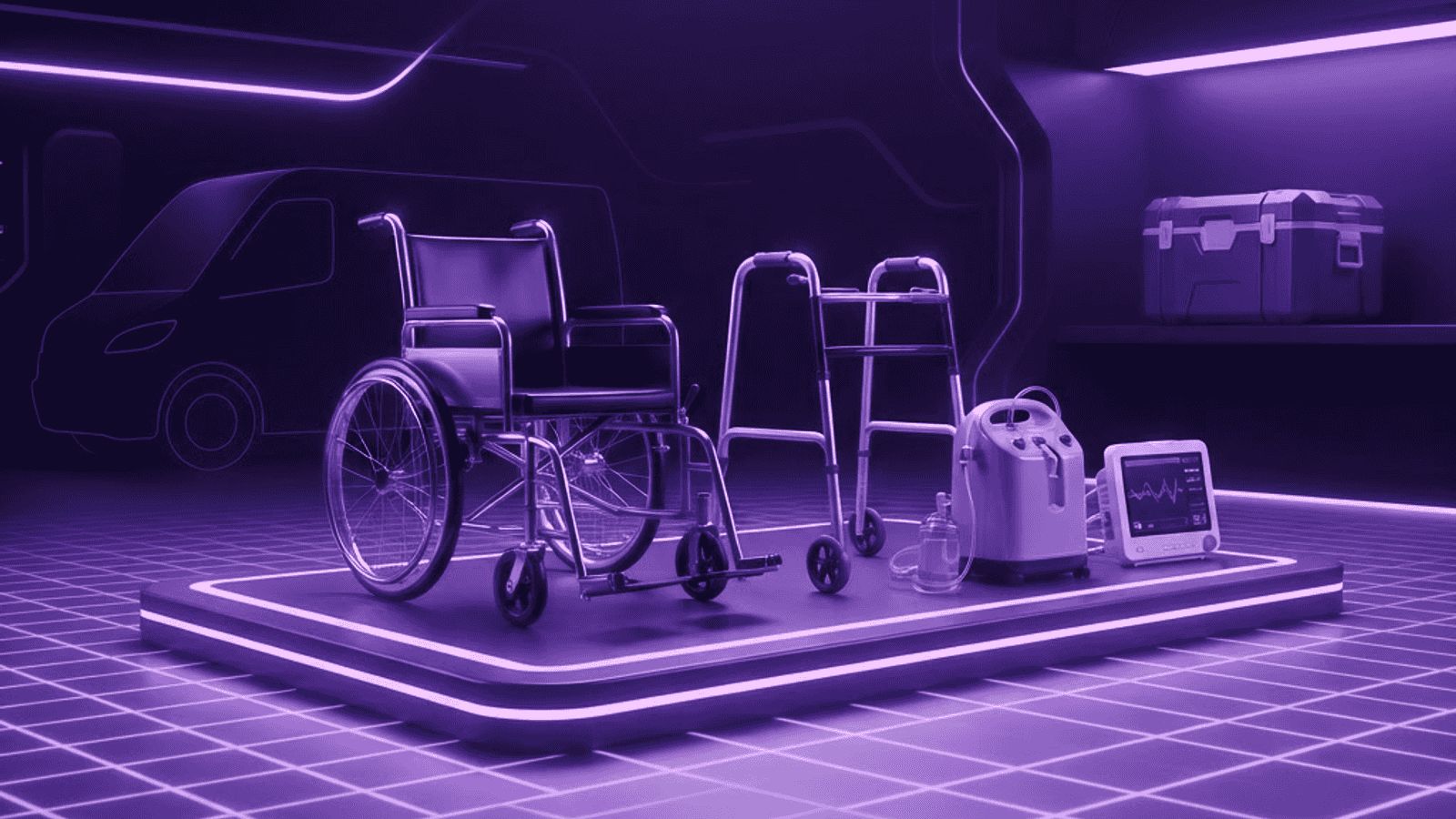
Why Medical Supply Access Matters
Discharge from a hospital is only the beginning of recovery, and what happens next often depends on equipment. A walker after hip replacement, oxygen concentrator for chronic lung disease, CPAP machine for sleep apnea, glucose testing supplies for diabetes, or a hospital bed for a homebound parent all determine whether a person recovers safely at home or cycles back into acute care. In North Las Vegas, where a growing senior population and high rates of diabetes and respiratory disease intersect, durable medical equipment suppliers form an underappreciated pillar of the healthcare system.
The category spans several distinct business models. Full-service durable medical equipment providers handle insurance billing and delivery. Retail pharmacies stock everyday supplies. Specialty suppliers focus on complex rehabilitation technology such as custom wheelchairs. Online retailers compete on price for cash purchases. Rental services cover temporary needs. Knowing which to use for a given item saves both money and time.
1. Rotech Healthcare
Rotech provides home respiratory equipment including oxygen concentrators, CPAP and BiPAP devices, nebulizers, and ventilator support, with delivery and in-home setup. Respiratory equipment requires ongoing service, supply replacement, and compliance monitoring, and a supplier with local clinical staff makes a substantial difference in whether therapy actually gets used correctly. Medicare and commercial insurance billing is handled directly.
2. Lincare
Lincare operates a broad national network with strong respiratory focus, covering oxygen therapy, sleep apnea equipment, and related supplies. Its scale supports twenty-four-hour emergency service for oxygen patients, which is critical since equipment failure for an oxygen-dependent patient is a genuine emergency. Routine mask, tubing, and filter replacement is managed on automated schedules.
3. Apria Healthcare
Apria offers a comprehensive product range spanning respiratory equipment, home medical devices, negative pressure wound therapy, and mobility products. It handles complex insurance authorization processes, which is valuable because durable medical equipment coverage rules are unusually strict and documentation-heavy. Patients discharged from valley hospitals are frequently referred here through established relationships.
4. AdaptHealth
AdaptHealth has consolidated numerous regional suppliers into a national platform and covers sleep therapy, oxygen, diabetes supplies, and home medical equipment. Its digital resupply ordering system is more modern than much of the industry, allowing patients to reorder CPAP supplies or test strips without phone calls. Insurance eligibility checking is integrated into the ordering flow.
5. Numotion
Numotion specializes in complex rehabilitation technology, meaning custom manual and power wheelchairs, seating and positioning systems, and adaptive equipment for individuals with spinal cord injury, cerebral palsy, muscular dystrophy, and multiple sclerosis. These are not off-the-shelf products; they require assistive technology professionals working alongside physical and occupational therapists to measure, configure, and adjust. For anyone needing a custom mobility device, a specialty provider like this is the correct path rather than a general supplier.
6. National Seating and Mobility
Operating in the same complex rehabilitation space, National Seating and Mobility provides custom wheelchairs, pressure-relief seating, and vehicle accessibility solutions. Its service model emphasizes ongoing adjustment and repair, which matters greatly since a poorly fitted chair causes pressure injuries and postural deterioration over months. Certified technicians handle maintenance locally rather than requiring shipping.
7. Pharmacy-Based Medical Supply Departments
Major pharmacy chains throughout North Las Vegas stock the highest-turnover medical supplies: blood pressure monitors, glucose meters and strips, compression stockings, braces and supports, canes, walkers, incontinence products, and wound care materials. For immediate needs, walking into a nearby pharmacy beats waiting for delivery, and pharmacists can advise on fit and use. Many items are also eligible for flexible spending and health savings account payment.
8. Local Independent Medical Supply Retailers
Independent medical supply stores serving the valley offer something the national chains struggle with: knowledgeable in-person fitting and immediate availability. Proper fitting matters more than buyers expect for walkers, canes, compression garments, and post-surgical braces, where incorrect sizing causes falls or skin breakdown. These retailers also tend to service and repair equipment locally and offer short-term rentals for temporary needs such as knee scooters after foot surgery.
9. Online Medical Supply Retailers
For cash purchases of non-fitted items, online retailers frequently offer the lowest prices on CPAP supplies, diabetic testing materials, wound dressings, and mobility accessories. The tradeoff is no insurance billing, no fitting assistance, and no local service. This route works well for informed patients replacing items they already use successfully, and poorly for first-time purchases requiring sizing or clinical guidance.
10. Nonprofit and Loan Closet Programs
Charitable equipment loan closets operated by community organizations, faith groups, and disability nonprofits provide refurbished walkers, wheelchairs, shower chairs, commodes, and hospital beds at no cost or minimal donation. For uninsured residents or those facing temporary needs that insurance will not cover, these programs are genuinely valuable. Veterans organizations and senior centers in the area can typically direct families to current local options.
Navigating Insurance for Medical Equipment
Durable medical equipment coverage is stricter than most patients anticipate. Medicare and commercial plans generally require a physician order documenting medical necessity, often supported by specific diagnostic evidence such as a sleep study for CPAP or oxygen saturation testing for home oxygen. Using an in-network supplier is essential, since out-of-network durable medical equipment claims are frequently denied outright.
Understand rental versus purchase rules. Many items are covered as monthly rentals that convert to ownership after a defined period, and compliance requirements apply. CPAP coverage in particular typically requires documented usage of at least four hours nightly on most nights during an initial period, monitored through the device modem. Patients unaware of this requirement sometimes lose coverage for equipment they need.
Ask for written cost estimates including your expected coinsurance before delivery. Compare the insurance-billed patient responsibility against the cash price, because for lower-cost items the cash price occasionally comes out lower than the deductible-applied insurance amount.
Practical Guidance for Home Setup
Have equipment delivered and set up before discharge whenever possible, so the home is ready rather than improvised. Request in-home training rather than accepting a dropped-off box, particularly for oxygen, ventilators, and wound therapy devices. Consider a home safety assessment from an occupational therapist, since grab bars, raised toilet seats, and bed rails prevent the falls that cause most readmissions among older adults.
Keep a maintenance schedule. Filters, masks, tubing, and batteries all degrade, and equipment performance quietly declines as they do. Establish a relationship with one primary supplier that knows your equipment history, and confirm their after-hours support process before you need it. In home-based care, reliable logistics is as clinically important as the equipment itself.