
Machinery at the Core of Warren Manufacturing
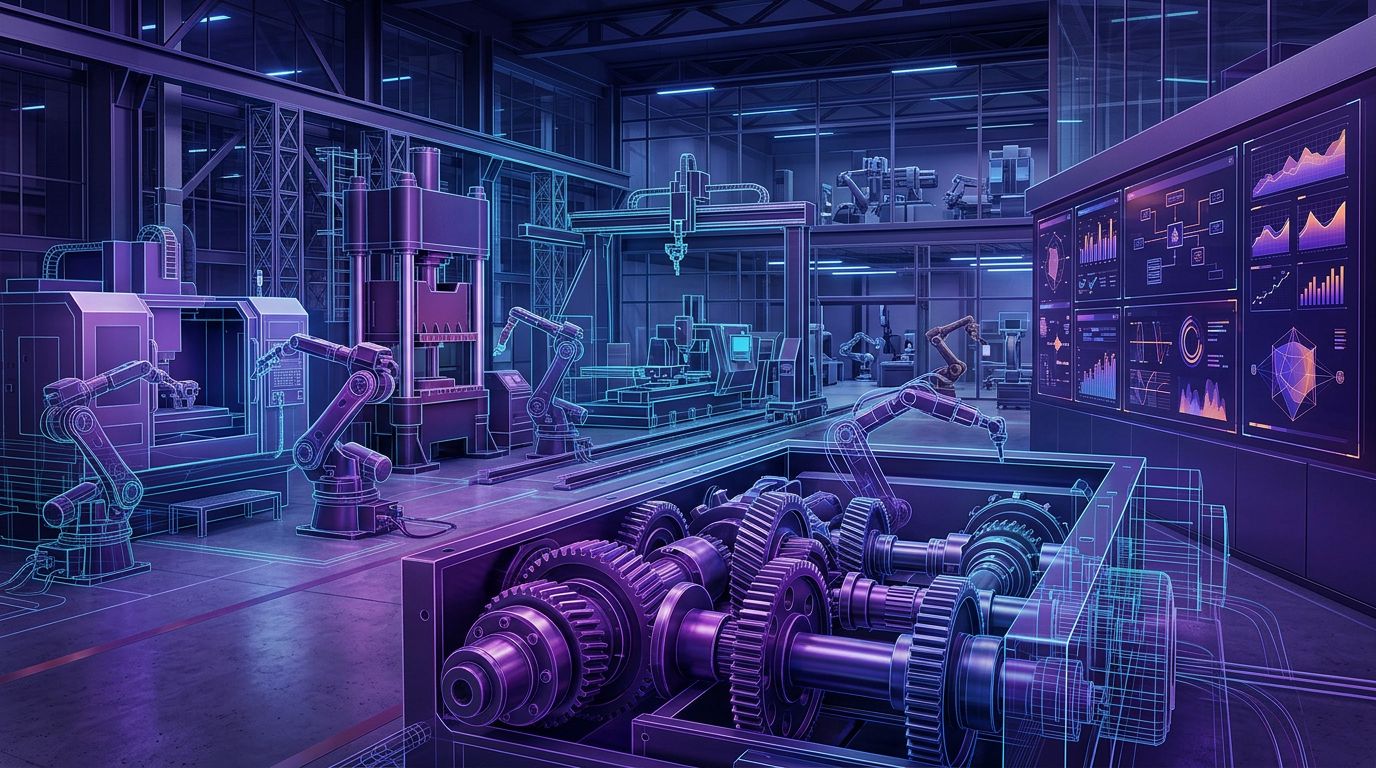
Every vehicle, component and product made in Warren depends on machinery. Robotic welding cells, stamping presses, CNC machining centers, conveyors, paint systems and assembly automation keep production lines moving with precision and speed. Warren's location at the center of the Metro Detroit automotive corridor has attracted many of the world's leading machinery and automation companies, which maintain engineering centers, integration facilities and service teams within a short drive of the city.
The region's machinery sector is more than a supplier base. It is an innovation engine that pioneered industrial robotics, flexible manufacturing and lean production. As factories adopt electric vehicle programs and smart manufacturing, demand for advanced machinery and integration expertise continues to grow.
Our Evaluation Approach
We selected machinery manufacturers based on their presence in Southeast Michigan, technology leadership, installed base in local plants, engineering support, service responsiveness and reputation among manufacturers in Warren and Macomb County.
The Top 10 Machinery Manufacturers Serving Warren
1. FANUC America
FANUC America, headquartered in Rochester Hills, is a global leader in industrial robots, CNC controls and factory automation. Its robots are found in assembly, welding, painting and material handling applications throughout Warren plants, supported by extensive training and service resources.
2. KUKA Robotics
KUKA has a significant presence in nearby Sterling Heights, providing robots and complete automation systems for body-in-white assembly and other complex processes. Its systems integration experience is highly valued by automakers and suppliers.
3. Comau
Comau, with North American operations in Southfield, delivers robotics, body welding lines, powertrain assembly and electrification solutions. The company has deep experience supporting automotive programs from concept through launch.
4. ABB Robotics
ABB Robotics operates its North American robotics headquarters in Auburn Hills. Its robots, collaborative cobots and software solutions help manufacturers improve flexibility, quality and safety across many industries.
5. Durr Systems
Durr Systems, based in Southfield, is a world leader in automotive paint finishing systems and environmental technology. Its paint shops, application robots and emission control systems are used in assembly plants around the globe.
6. Yaskawa Motoman
Yaskawa Motoman provides robots for welding, handling, dispensing and assembly, with strong support for Michigan customers. Its arc welding expertise makes it a popular choice for metal fabrication and tier suppliers.
7. Kawasaki Robotics
Kawasaki Robotics, headquartered in Wixom, offers a broad lineup of industrial robots including heavy payload models used in automotive and general manufacturing. Its local presence ensures responsive service and engineering support.
8. Hirotec America
Hirotec America in Auburn Hills designs and builds automotive body assembly systems, hemming equipment and tooling. Its engineering teams work closely with automakers to deliver precise, high-volume production solutions.
9. Atlas Copco
Atlas Copco supplies industrial assembly tools, joining solutions, compressors and vacuum systems. Its Michigan operations support automotive assembly with smart tightening systems and adhesive dispensing technologies.
10. Paslin Company
Headquartered in Warren, Paslin designs and builds automated welding and assembly systems for automotive body structures. As a homegrown company with decades of experience, it embodies the city's engineering heritage and continues to serve major automakers.
Why Machinery Innovation Matters
Modern machinery improves productivity, quality and worker safety. Robots perform repetitive and physically demanding tasks with consistent precision, while vision systems and sensors catch defects early. Flexible automation allows plants to build multiple vehicle models on the same line, reducing capital costs and accelerating product changeovers.
Trends in Industrial Machinery
Collaborative robots are bringing automation to smaller manufacturers and tasks that once required human hands. Digital twins let engineers simulate production lines before building them. Predictive maintenance powered by sensors and analytics reduces unplanned downtime. Electric vehicle production requires new machinery for battery assembly, motor manufacturing and lightweight material joining, creating fresh demand for innovation.
How to Select a Machinery Partner
Begin with a clear understanding of your production goals, volumes, part variety and floor space. Evaluate potential partners on application expertise, engineering resources, local service coverage, spare parts availability and training programs. Request case studies from similar projects and ask about integration with existing equipment and control systems. Total cost of ownership, including maintenance and energy consumption, should weigh as heavily as purchase price.
The Importance of System Integrators
Many Warren manufacturers rely on system integrators to combine robots, conveyors, controls and safety systems into complete production cells. Southeast Michigan has one of the densest concentrations of integrators in the world, and their knowledge of automotive standards and plant requirements helps ensure successful launches. Choosing a machinery brand often goes hand in hand with selecting a trusted integration partner.
Workforce Skills for Automated Factories
As automation expands, demand is rising for technicians who can program robots, troubleshoot controls and maintain complex equipment. Macomb County community colleges, robotics training centers and manufacturer certification programs are helping workers build these skills. Companies that invest in workforce training get more value from their machinery and create rewarding career paths for local employees.
Conclusion
The machinery manufacturers serving Warren are at the forefront of industrial automation. Their robots, systems and engineering expertise help local factories stay competitive in a demanding global market and prepare for the next generation of manufacturing.