
Machinery and the Temple Economy
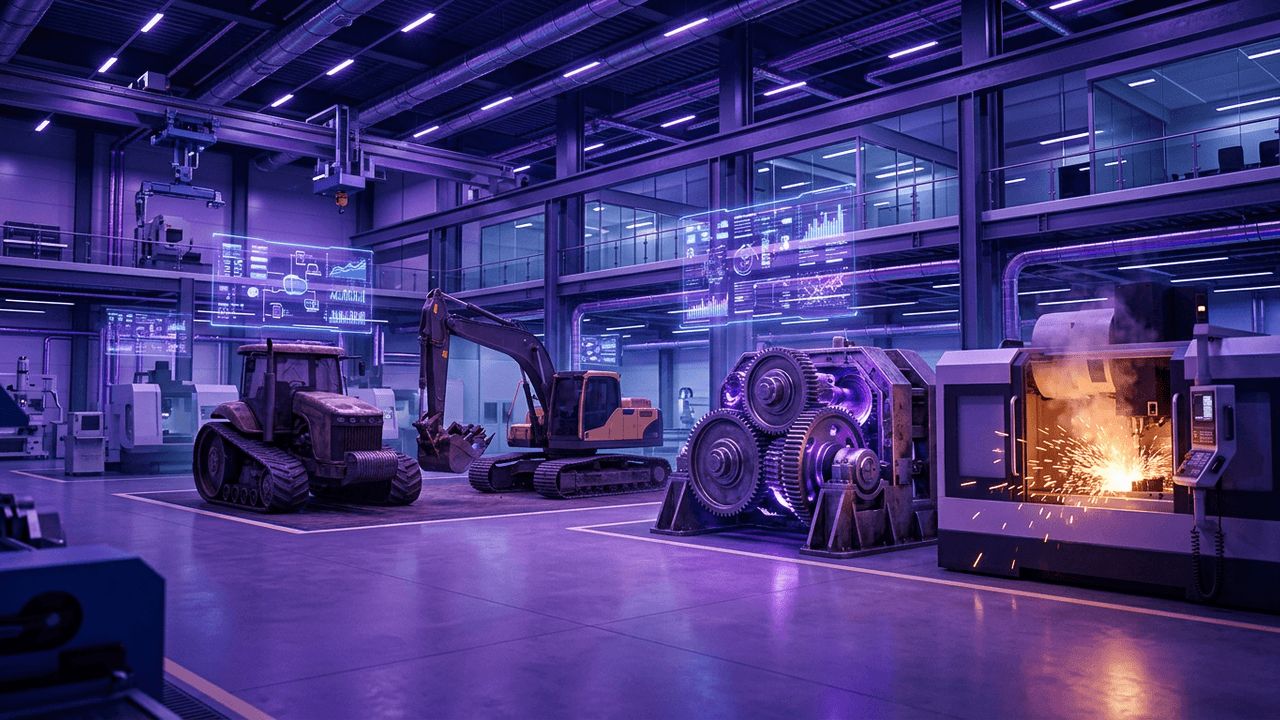
Temple's economy has deep roots in agriculture, railroads, and manufacturing. Today, the city's farms, construction firms, distribution centers, and factories all rely on heavy machinery and industrial equipment. Rapid population growth along the Interstate 35 corridor has fueled road building, residential development, and commercial construction, increasing demand for excavators, loaders, and cranes. Meanwhile, Bell County farmers and ranchers depend on tractors, harvesters, and hay equipment, and Temple's large distribution operations use material handling machinery every day.
Temple is also home to significant manufacturing operations, including Wilsonart, a global maker of engineered surfaces headquartered in the city, which reflects the area's broader industrial capabilities. The companies below are leading machinery manufacturers serving Temple's key industries.
1. Caterpillar
Caterpillar is the world's largest manufacturer of construction and mining equipment, diesel engines, and industrial turbines. Its machines are essential to road building and construction projects throughout Central Texas. Texas Caterpillar dealers, including Holt Cat, provide sales, rentals, parts, and service to Temple-area contractors.
2. John Deere
John Deere is a leading manufacturer of agricultural, construction, and turf equipment. Bell County farmers and ranchers rely on Deere tractors, combines, and hay equipment, while contractors use its compact construction machinery. Precision agriculture technology is a major strength.
3. Kubota
Kubota, whose North American headquarters is located in Grapevine, Texas, manufactures compact tractors, utility vehicles, mowers, and construction equipment. Its versatile machines are popular with small farms, landscapers, and property owners around Temple.
4. Komatsu
Komatsu is a global manufacturer of construction, mining, and forestry equipment. Its excavators, dozers, and wheel loaders are widely used on Central Texas construction sites, supported by intelligent machine control technologies.
5. CNH Industrial
CNH Industrial, parent of Case IH, New Holland, and Case Construction, manufactures agricultural and construction equipment. Its brands are well represented across Texas farms and job sites.
6. AGCO
AGCO produces agricultural equipment under brands such as Massey Ferguson and Fendt. Its tractors, hay tools, and precision farming technology serve the diverse agricultural operations found throughout Bell County.
7. Vermeer
Vermeer manufactures agricultural, underground construction, and tree care equipment. Its round balers are especially popular with Central Texas hay producers, and its directional drills support utility and broadband installation projects.
8. Toyota Material Handling
Toyota Material Handling is a leading manufacturer of forklifts and warehouse equipment. Temple's large distribution and logistics operations rely on forklifts, reach trucks, and pallet jacks to move goods efficiently.
9. Bobcat
Bobcat manufactures compact loaders, excavators, and utility vehicles. Its machines are favored by contractors, landscapers, and property owners for their versatility and maneuverability on tight Temple job sites.
10. Emerson
Austin-based Emerson produces automation systems, valves, measurement instruments, and control technology used in manufacturing, energy, and water treatment facilities. Its technology supports efficient, safe operations across Central Texas industrial plants.
Key Machinery Sectors in Temple
Agricultural machinery supports crop farming, hay production, and cattle ranching across Bell County. Construction equipment drives residential development, highway expansion, and commercial projects. Material handling equipment is essential for Temple's distribution centers. Industrial automation equipment supports manufacturers producing building materials, food products, and consumer goods.
Industry Trends
Machinery manufacturing is embracing technology at a rapid pace. Precision agriculture uses GPS guidance, sensors, and data analytics to improve yields and reduce input costs. Construction equipment increasingly includes machine control systems that improve grading accuracy. Electric and hybrid machinery is entering the market, especially for compact equipment. Telematics allow fleet owners to monitor equipment location, usage, and maintenance needs in real time. Automation and robotics are transforming warehouses and factories.
Buying Versus Renting Equipment
Temple businesses must decide whether to buy, lease, or rent machinery. Buying makes sense for equipment used frequently over many years. Leasing preserves capital and allows access to newer models. Renting is ideal for short-term projects or specialized tasks. Local dealers can help evaluate total cost of ownership, including maintenance, financing, and resale value.
Workforce Opportunities
The machinery industry creates demand for diesel technicians, equipment operators, welders, and service professionals. Technical programs in Central Texas train students for these well-paid careers, and dealerships across the region actively recruit skilled technicians.
Choosing the Right Equipment Dealer
The dealer relationship is often as important as the machine itself. Temple buyers should evaluate a dealer's parts availability, service response times, technician training, and rental fleet options. Dealers that offer field service trucks can minimize downtime during harvest or critical construction phases. Ask about warranty support, preventive maintenance plans, telematics monitoring, and financing programs. A knowledgeable dealer can also recommend attachments and configurations that match local soil conditions, terrain, and project requirements, ensuring your equipment investment delivers maximum value over its full working life.
Conclusion
Machinery is the backbone of Temple's agriculture, construction, logistics, and manufacturing sectors. The manufacturers above provide the equipment that keeps the region growing. By choosing reliable machinery and partnering with knowledgeable dealers, Temple businesses can improve productivity, reduce downtime, and position themselves for continued success in a thriving Central Texas economy.