
Building the Machines That Build America
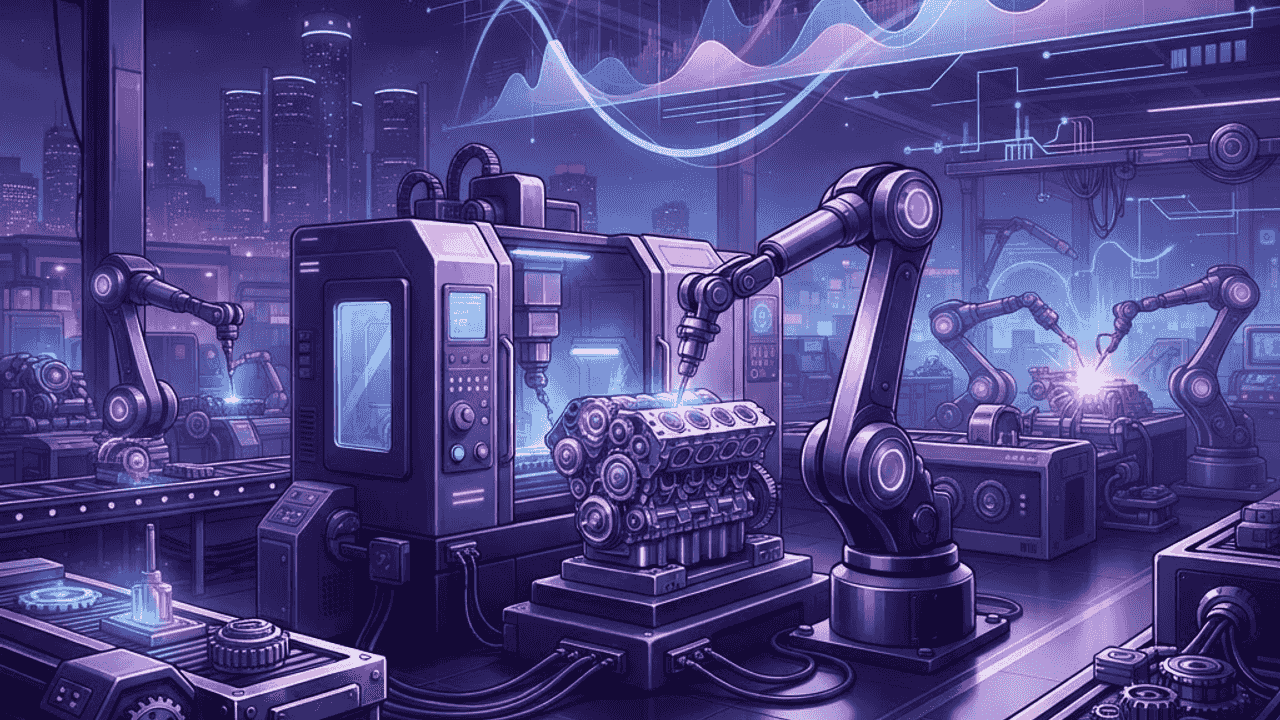
Behind every product manufactured in Detroit stands the machinery that makes production possible. The Motor City's machinery manufacturers design and build the presses, CNC machines, tooling, and automation systems that power factories across the automotive industry and far beyond. This sector is fundamental to the region's industrial strength, supplying the precision equipment that keeps manufacturing efficient, accurate, and competitive.
Detroit's expertise in machinery is a natural outgrowth of its manufacturing heritage. Decades of building complex automotive assembly lines have created deep knowledge in metalworking, automation, and industrial engineering. Today, that expertise serves a wide range of industries, from aerospace and medical devices to consumer goods and heavy equipment, making Detroit a trusted source for advanced machinery.
What Defines a Top Machinery Manufacturer
Leading machinery manufacturers in Detroit are distinguished by precision engineering, durability, and reliability. Industrial machinery must perform consistently under demanding conditions, so the best companies emphasize robust design, high-quality materials, and rigorous testing. They combine mechanical expertise with electronics and software to deliver sophisticated, automated systems.
Customization and support are equally important. Manufacturing operations often require machinery tailored to specific processes, and top firms excel at engineering custom solutions. They also provide comprehensive support, including installation, training, maintenance, and spare parts, ensuring equipment delivers long-term value and minimal downtime.
Leading Machinery Manufacturers in Detroit
Motor City Machine Works specializes in precision CNC machinery and custom tooling for the automotive and industrial sectors. Great Lakes Automation Systems designs advanced robotic and automated production lines. Detroit Press Technologies focuses on stamping presses and metal-forming equipment for heavy manufacturing.
Peninsula Machinery Group brings expertise in custom industrial machines and integrated systems, while Riverfront Tool and Die produces high-precision tooling and dies. Woodward Machine Manufacturing is known for its craftsmanship in specialized production equipment.
Other respected firms include Lakeshore Automation, recognized for its material handling and conveyor systems; Cadillac Precision Machinery, praised for accuracy and reliability; North Star Industrial Equipment, a leader in heavy machinery; and Rustbelt Machine Solutions, which supports manufacturers with custom builds, retrofits, and maintenance services.
Trends in Machinery Manufacturing
The machinery sector in Detroit is being reshaped by automation and digital technology. Smart machines equipped with sensors and connectivity enable real-time monitoring, predictive maintenance, and data-driven optimization. This shift toward Industry 4.0 is helping manufacturers boost productivity, reduce downtime, and improve quality across their operations.
Robotics and flexible automation are also in high demand as companies seek to increase efficiency and address labor challenges. Meanwhile, growing interest in reshoring and domestic manufacturing is driving investment in new equipment. Detroit's machinery manufacturers, with their engineering depth and adaptability, are well positioned to meet these evolving needs.
Choosing the Right Machinery Partner
Selecting a machinery manufacturer requires careful attention to engineering capability, reliability, and support. Companies should evaluate a partner's experience with relevant applications, the quality and durability of its equipment, and the strength of its after-sales service. Custom projects demand firms with strong design expertise and a collaborative approach.
Detroit's machinery manufacturers are the unsung heroes of industrial production, building the equipment that enables countless other products to be made. Their precision, innovation, and reliability keep factories running efficiently across the country. For businesses investing in production capacity, the Motor City offers a deep pool of skilled, dependable machinery manufacturers ready to power their success.
Defining Requirements Before Requesting Quotes
Machinery projects succeed when customers describe the process in measurable terms. Useful requirements include part dimensions, materials, cycle time, changeover goals, utilities, operator interaction, inspection needs, and available floor space. Sharing representative parts and expected future variants allows builders to design for actual production rather than a narrow demonstration condition.
Buyers should establish acceptance criteria early, including factory and site tests. They should also identify who is responsible for foundations, guarding, material handling, controls integration, and regulatory review. A detailed scope may take more effort initially, but it reduces change orders and creates a fair basis for comparing proposals.
Lifecycle Cost and Service Support
The lowest purchase price is not always the least expensive choice. Energy consumption, tooling life, maintenance access, spare-parts availability, software support, and unplanned downtime can exceed the initial cost over a machine's service life. Detroit manufacturers that use standard components and provide complete manuals can make equipment easier to maintain long after installation.
Training is equally important. Operators need practical instruction on safe setup and daily use, while maintenance teams require diagnostic and preventive-maintenance knowledge. Customers should ask about remote support, response expectations, upgrade paths, and the availability of local technicians. A machinery partner that remains engaged after commissioning can help a factory sustain throughput, adapt to new products, and protect its capital investment for years. References from similar applications offer valuable insight into equipment reliability and service responsiveness. Buyers should ask how quickly earlier systems reached target cycle time, which modifications were required after launch, and whether the builder delivered complete documentation on schedule.