
Industrial Strength in a College Town
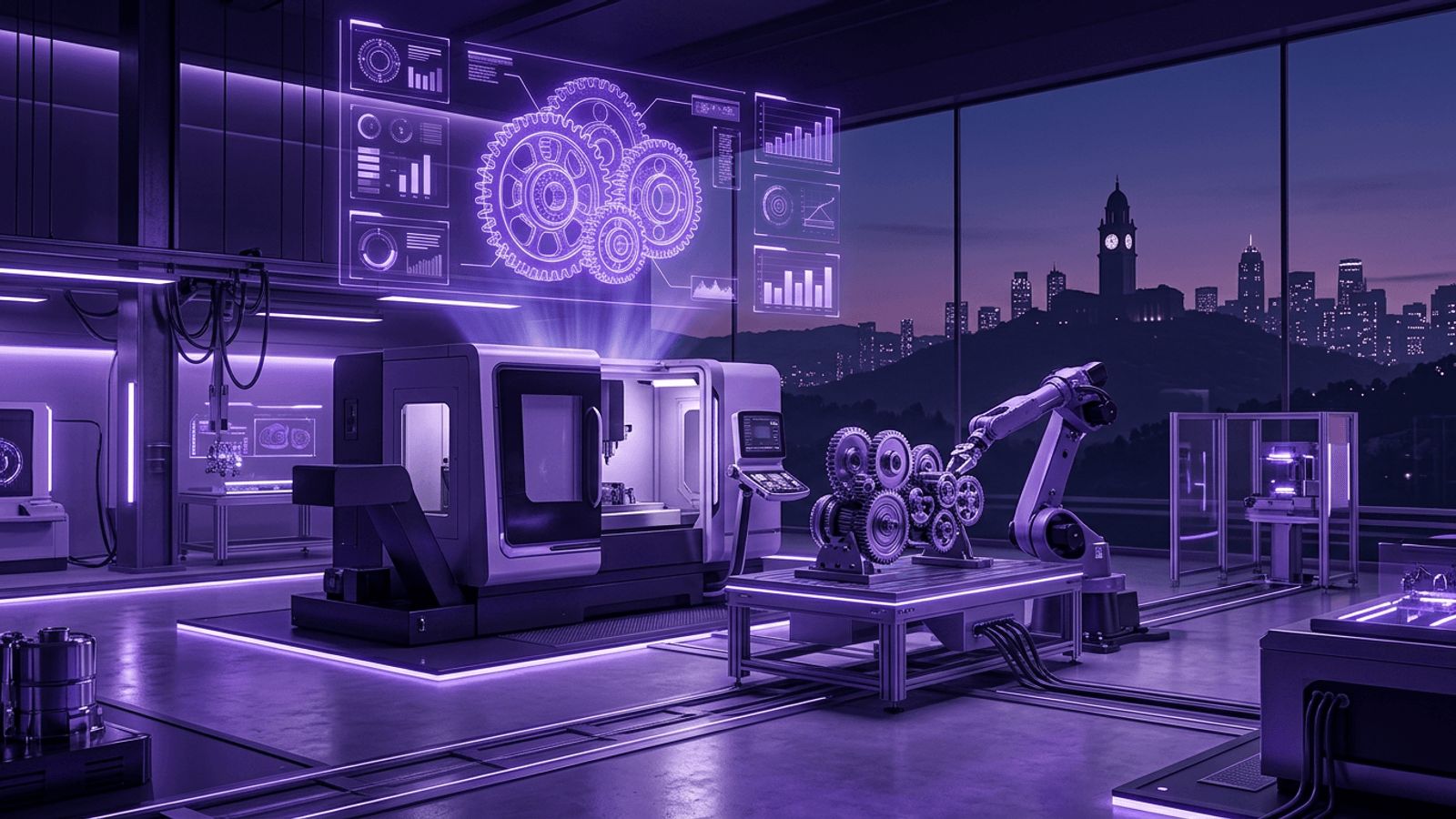
Berkeley is often associated with academia and activism, but its western neighborhoods have a long industrial history. The area near the waterfront and along the rail corridor has hosted foundries, machine shops, and fabrication businesses for generations. Today, that tradition blends with the Bay Area's robotics and automation boom, creating a market where traditional machining expertise meets cutting-edge technology.
Whether you run a production facility, a research lab, or a hardware startup, choosing the right machinery manufacturer affects productivity, quality, and long-term costs. This list highlights ten companies that build or supply industrial machinery and automation systems relied upon by Berkeley businesses.
Why Berkeley Needs Strong Machinery Partners
The local economy includes food producers, biotech labs, manufacturers, and engineering firms, all of which depend on reliable equipment. Space is limited and expensive, so compact, efficient machinery is especially valuable. Proximity to UC Berkeley and national labs also means many local organizations require custom or high-precision equipment for research and prototyping.
The Top 10 Machinery Manufacturers in Berkeley
1. Berkeley Forge & Tool
Berkeley Forge & Tool has produced forged components for industrial, aerospace, and energy applications for decades. Its experience with a wide range of alloys and its ability to produce custom forgings make it a trusted partner for companies that need strong, reliable parts built close to home.
2. Bishop-Wisecarver
Based in Pittsburg in the East Bay, Bishop-Wisecarver designs and manufactures guided motion and linear motion systems. Its components are used in packaging machines, medical devices, and automation equipment, and its engineering team helps customers develop custom motion solutions.
3. DMG MORI
DMG MORI operates a major manufacturing facility in Davis, California, producing advanced CNC machine tools. Its lathes and machining centers serve aerospace, medical, and precision manufacturing customers throughout Northern California, backed by strong training and service programs.
4. Haas Automation
Haas Automation is one of the largest machine tool builders in the United States. Through regional factory outlets serving the Bay Area, it supplies CNC mills and lathes to job shops, schools, and manufacturers. Its machines are known for affordability, reliability, and ease of use.
5. Carbon
Carbon, based in Redwood City, builds industrial 3D printers that use its Digital Light Synthesis technology. Manufacturers use Carbon machines to produce end-use parts for footwear, dental devices, and consumer products, making additive manufacturing practical at production scale.
6. Covariant
Covariant, headquartered in Emeryville next door to Berkeley, develops artificial intelligence that powers robotic picking systems for warehouses and logistics. Its founders have deep ties to UC Berkeley robotics research, and its technology enables robots to handle a wide variety of items with human-like adaptability.
7. Intuitive
Intuitive designs and manufactures robotic-assisted surgical systems, including the da Vinci platform. Its machines represent some of the most sophisticated precision mechanics and control systems in the world, and the company is a major employer of mechanical and robotics engineers in the Bay Area.
8. Dexterity
Dexterity builds intelligent robots for logistics tasks such as truck loading, palletizing, and parcel handling. Its systems combine machine vision, force sensing, and AI to automate physically demanding work in warehouses and distribution centers.
9. Fanuc America
Fanuc is a global leader in industrial robots, CNC controls, and factory automation. Its West Coast support network serves Bay Area manufacturers with robots for welding, assembly, material handling, and machine tending, along with extensive training resources.
10. Lam Research
Lam Research builds some of the most complex machines on the planet: wafer fabrication equipment for semiconductor production. Its Fremont headquarters anchors a regional network of precision machinists, component suppliers, and engineers that benefits machinery businesses throughout the East Bay.
How to Choose a Machinery Manufacturer
Identify your production volumes, tolerances, materials, and floor space constraints before comparing suppliers. Ask about lead times, installation support, training, and spare parts availability. Total cost of ownership matters more than purchase price, so factor in energy use, maintenance, and downtime risk. For automation projects, look for partners who offer integration services and can demonstrate success in applications similar to yours.
Machinery Trends in the Bay Area
AI-driven robotics is transforming warehouses and factories, allowing automation of tasks that once required human judgment. Additive manufacturing is moving from prototyping into full production. Connected machines with sensors and predictive maintenance software are reducing unplanned downtime. Reshoring and supply chain resilience are also driving new investment in domestic machining capacity.
Frequently Asked Questions About Industrial Machinery
Should a small business buy new or used machinery?
Used machinery can offer significant savings, especially for standard equipment such as manual mills, lathes, and presses. However, older machines may lack modern safety features, digital controls, and manufacturer support. New machinery typically includes warranties, training, and better energy efficiency. Many Berkeley shops combine both approaches, buying new for core production equipment and used for secondary tasks.
How can I tell if automation is right for my operation?
Start by identifying repetitive, physically demanding, or error-prone tasks. If those tasks consume significant labor hours or create bottlenecks, automation may deliver a strong return. Request demonstrations using your actual parts or products, and ask vendors for references from similar businesses. Pilot projects allow you to test the technology before committing to a full rollout.
What should I know about space and utilities in Berkeley?
Industrial space in West Berkeley is limited and in high demand, so measure carefully and confirm floor load capacity, ceiling height, and power availability before purchasing large equipment. Some machines require three-phase power or compressed air, which may require upgrades. Local zoning and noise regulations may also influence where certain equipment can operate.
Final Thoughts
Berkeley businesses can tap into a remarkable blend of traditional industrial craftsmanship and leading-edge automation. The machinery manufacturers on this list offer the precision, reliability, and innovation needed to stay competitive in a fast-changing manufacturing landscape.