
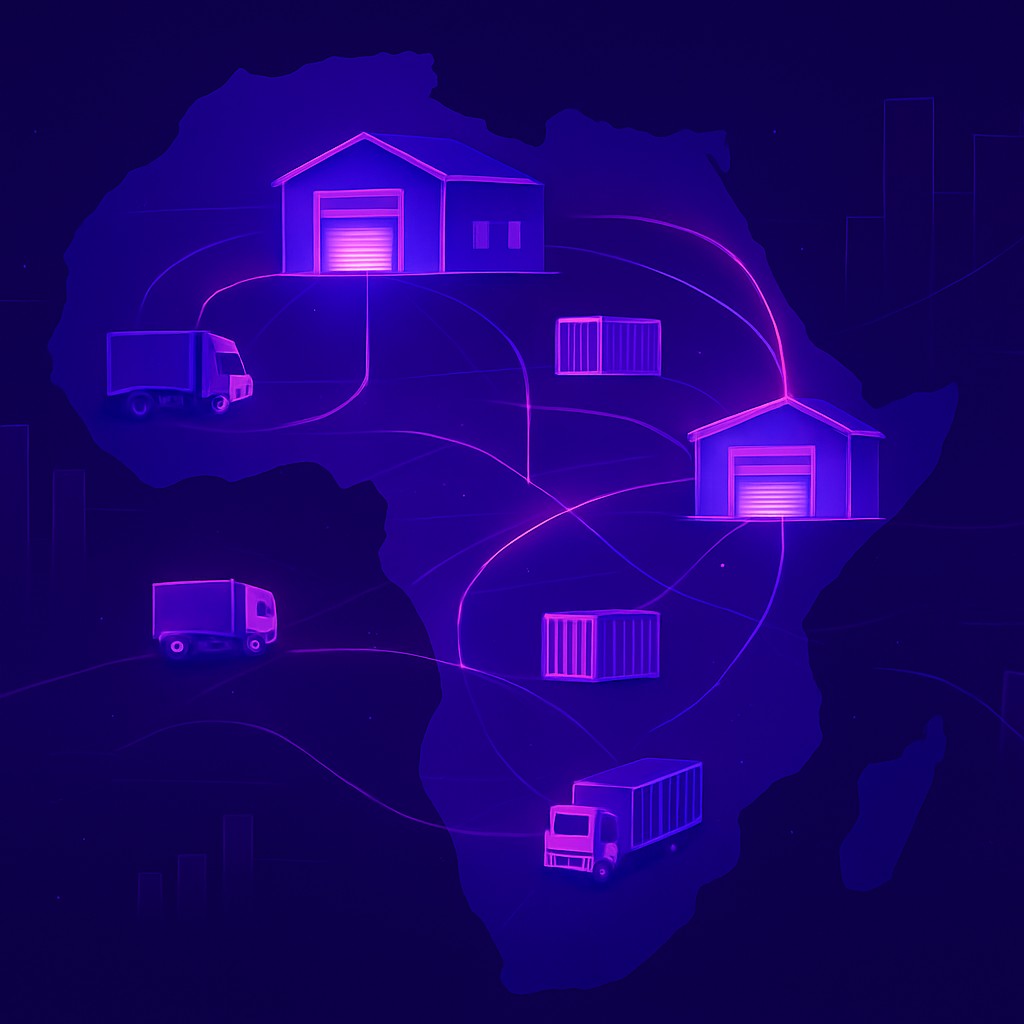
Logistics: The Engine of Zambian Trade
Logistics is far more than simply moving goods from one place to another. In Zambia, it encompasses warehousing, supply chain management, customs clearance, distribution, and the coordination of complex multi-modal movements across road, rail, and air. As a landlocked country at the heart of the region, Zambia's prosperity depends on logistics providers who can connect local producers and importers to markets both within Africa and beyond.
The logistics sector has grown rapidly in response to expanding mining activity, a maturing retail market, and increasing regional integration. Companies that offer comprehensive, technology-enabled services have become indispensable partners for businesses seeking to manage costs and improve service levels. The following providers stand out as leaders in this dynamic industry.
Comprehensive Service Providers
DHL Zambia brings global expertise to the local market, offering integrated logistics, express delivery, and supply chain solutions backed by an international network. Its presence gives Zambian businesses access to world-class standards in tracking, documentation, and reliability.
Bolloré Logistics Zambia is another major player with deep roots in African logistics. The company combines freight forwarding, project cargo handling, and supply chain consulting, making it a go-to partner for large industrial and mining clients with complex requirements.
Imperial Logistics Zambia specialises in distribution and warehousing for the consumer goods and pharmaceutical sectors, providing temperature-controlled storage and last-mile delivery that meet exacting standards.
Warehousing and Distribution Excellence
Effective warehousing underpins reliable distribution. Zambia Logistics Solutions operates modern warehouse facilities equipped with inventory management systems that give clients real-time visibility of stock levels. This capability is especially valuable for retailers and manufacturers managing seasonal demand and wide product ranges.
Falcon Supply Chain and Meridian Logistics have invested heavily in distribution networks that reach beyond the line of rail into rural and peri-urban areas. Their ability to deliver to remote locations supports financial inclusion and economic development in underserved parts of the country.
Cold chain logistics is a growing specialisation. Providers such as FreshLink Zambia focus on perishable goods, agricultural produce, and pharmaceuticals, maintaining unbroken temperature control from origin to destination. This expertise is critical for export-oriented agriculture and for ensuring the integrity of medical supplies.
Project Logistics and Specialised Handling
Zambia's mining and construction sectors generate demand for project logistics, which involves moving oversized, heavy, or sensitive equipment. Concord Project Logistics excels in this niche, coordinating the transport of mining machinery, transformers, and industrial plant that require specialised trailers, permits, and route planning.
These projects demand meticulous planning and risk management. Leading providers conduct route surveys, secure permits, and arrange escorts to ensure that high-value cargo arrives safely. Their expertise reduces downtime for clients and protects valuable assets during transit.
Technology Driving the Industry Forward
Digital transformation is reshaping Zambian logistics. Smart Chain Logistics has embraced supply chain software, real-time tracking, and data analytics to optimise routing, forecast demand, and improve transparency for clients. These tools enable businesses to make better decisions and respond quickly to disruptions.
Automation and digital documentation are streamlining customs clearance and reducing border delays, a perennial challenge for landlocked trade. By integrating systems with customs authorities and partners across the region, the most advanced logistics companies are cutting transit times and lowering the cost of doing business.
Industry Trends and Opportunities
Several trends are shaping the future of logistics in Zambia. Regional integration is opening new corridors and stimulating cross-border trade, creating opportunities for providers who can operate seamlessly across multiple countries. E-commerce growth is driving demand for efficient last-mile delivery and flexible warehousing. Sustainability is also rising on the agenda, with companies exploring greener fleets and more efficient operations.
At the same time, the sector faces challenges including infrastructure constraints, skills shortages, and the need for continued investment. The companies best positioned to thrive are those that combine strong operational discipline with a willingness to adopt new technology and develop local talent.
Conclusion
Logistics companies are the connective tissue of Zambia's economy, linking producers, traders, and consumers across vast distances and complex supply chains. From the global reach of DHL and Bolloré to the specialised expertise of project and cold chain providers, Zambia's logistics leaders deliver the reliability and efficiency that modern commerce demands. As trade expands and technology advances, these providers will remain central to the country's economic growth and regional ambitions.