
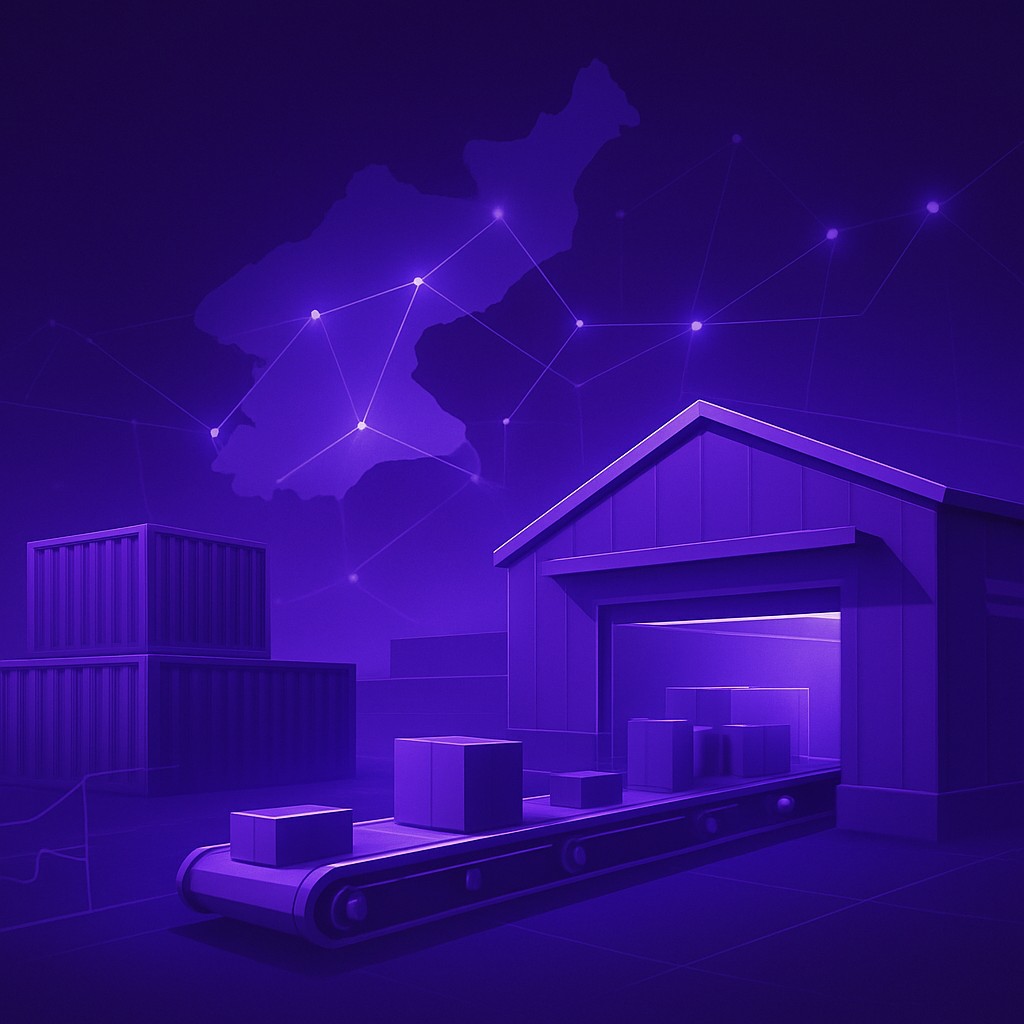
The Logistics Landscape of North Korea
Logistics in North Korea encompasses the coordination, storage, and distribution of goods across the country, operating within a centralized framework managed by state organizations. Unlike the competitive logistics markets common elsewhere, the country's supply chain is organized through government entities that oversee the flow of commodities, industrial products, and trade goods. Understanding this system reveals how the movement and management of goods are orchestrated across the nation.
The logistics network integrates transport, warehousing, and distribution functions, drawing on the rail, road, and maritime infrastructure that connects industrial centers, agricultural regions, ports, and population hubs. Special economic zones and port areas play a particularly important role in trade-related logistics, serving as nodes where goods are processed and channeled into broader supply chains.
Centralized Coordination of Supply Chains
At the heart of the country's logistics system is centralized coordination by state organizations responsible for transport and distribution. These entities plan and manage the movement of goods, allocating transport resources and overseeing warehousing and distribution networks. This coordinated approach allows for the systematic flow of commodities from production sites to end destinations.
The integration of rail, road, and maritime transport under coordinated management enables logistics to function across the country's varied geography. Goods are moved by the most appropriate mode based on distance and volume, with rail handling long-haul bulk transport and road services managing local distribution. This structure reflects the centralized nature of the economy.
Key Logistics Hubs and Zones
Certain areas serve as important logistics hubs, particularly the special economic zones and major ports. The Rason Special Economic Zone, located in the northeast, is a notable center for trade and logistics, facilitating the movement of goods through its port and serving as a gateway for regional commerce. Its designation as a special zone has emphasized its role in cross-border trade and distribution.
The Nampo port area, serving the capital region, functions as a key logistics node on the west coast, handling significant cargo volumes and connecting maritime shipping to inland distribution. The Wonsan area on the east coast also contributes to regional logistics. These hubs anchor the country's supply chain network and enable the processing and movement of goods at scale.
Warehousing and Distribution
Warehousing and distribution form essential components of the logistics system, supporting the storage and onward movement of goods. State enterprises manage warehousing facilities at key points in the network, including near ports, rail hubs, and industrial centers. These facilities enable the consolidation, storage, and redistribution of commodities as part of the broader supply chain.
Distribution within the country relies on the integration of transport modes, with goods transferred between rail, road, and maritime channels as needed. This coordinated distribution ensures that products reach their intended destinations, supporting industry, agriculture, and trade across the nation.
The Role of Logistics in the Economy
Logistics plays a crucial role in supporting the country's economic activities, enabling the flow of raw materials to industry, the distribution of agricultural products, and the movement of goods for trade. The centralized management of logistics allows for coordinated planning and resource allocation, tailored to the specific needs of the economy. An efficient logistics network is essential for connecting the various sectors and regions of the country.
How Logistics Differ from Market-Driven Systems
The logistics system in North Korea differs fundamentally from the market-driven, competitive models found in many other countries. Rather than numerous private companies competing for business, the country's logistics are coordinated centrally by state organizations. This approach reflects the structure of the economy and prioritizes coordinated planning over market competition. Understanding this distinction is key to appreciating how logistics function within the national context.
Trends in Logistics Development
There has been continued attention to developing logistics infrastructure, particularly in special economic zones such as Rason, which have been positioned to facilitate trade and regional commerce. Investment in port facilities and transport links reflects an emphasis on strengthening the logistics network. These developments highlight the ongoing importance of logistics to the country's economic strategy and its engagement in regional trade.
The Strategic Importance of Logistics Hubs
The logistics hubs that anchor the country's supply chain carry strategic significance beyond their immediate function of moving goods. The Rason Special Economic Zone, in particular, occupies a position of regional importance, serving as a point of connection for cross-border trade and a gateway for commerce in the northeast. Its development as a special zone reflects a deliberate effort to leverage geography for economic benefit. Similarly, the Nampo port area serves the densely populated capital region, making it a critical node for both domestic distribution and maritime trade. Wonsan contributes to the network on the east coast, broadening the reach of logistics operations. The coordinated management of these hubs allows for the systematic flow of goods between production, storage, and distribution points. Understanding the strategic role of these locations illuminates how the country structures its supply chain to support industry, agriculture, and trade across diverse regions.
Final Thoughts
Logistics in North Korea operate through a centralized system managed by state organizations that coordinate transport, warehousing, and distribution. Key hubs such as the Rason Special Economic Zone, Nampo, and Wonsan anchor the network, enabling the flow of goods across the country and through its ports. This coordinated approach to supply chain management supports the nation's industry, agriculture, and trade, forming an essential framework for the movement and management of goods.