
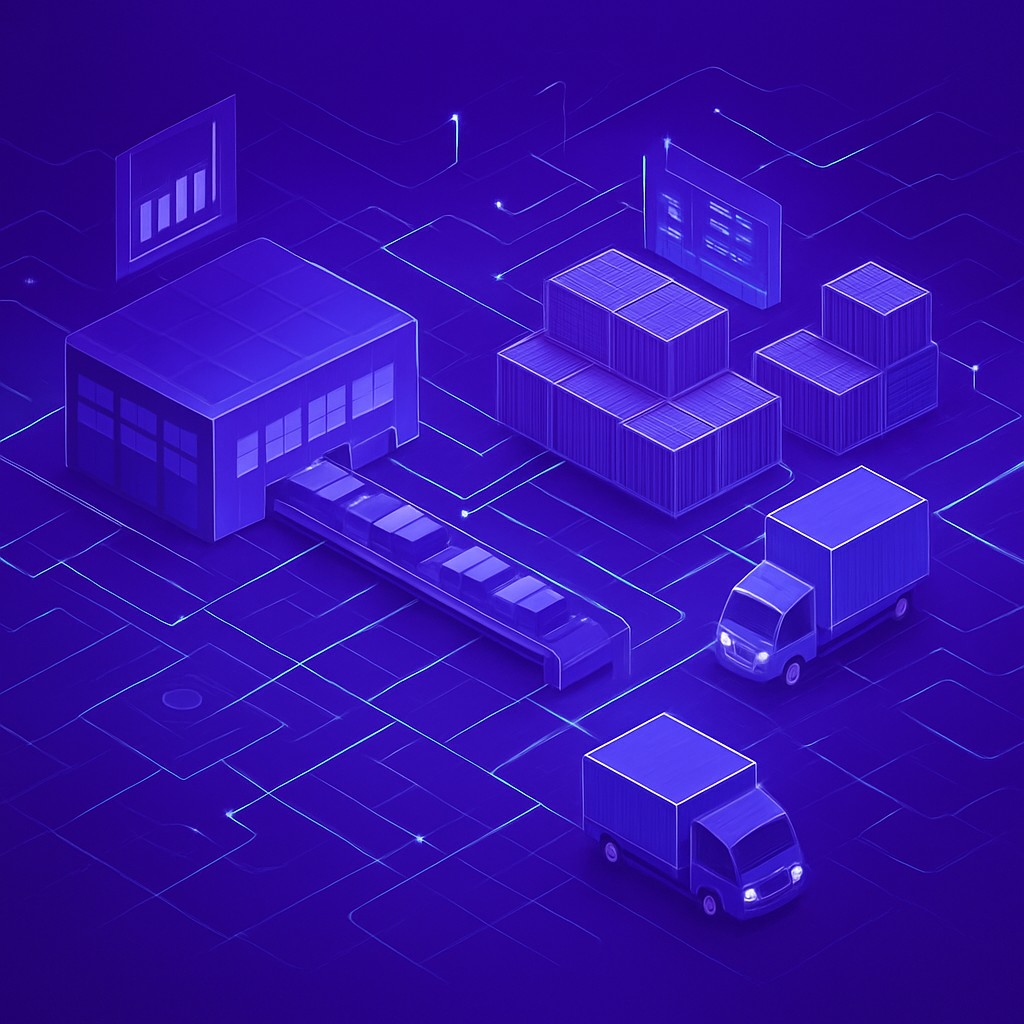
Logistics: The Engine Behind Iraqi Commerce
Logistics is the invisible framework that keeps Iraqi commerce running smoothly. From importing goods through southern ports to distributing products across cities and rural areas, logistics companies coordinate the complex movement of materials, inventory, and finished products. As Iraq's economy diversifies and consumer demand grows, the role of efficient logistics providers has never been more important.
Modern logistics in Iraq encompasses far more than transport. It includes warehousing, inventory management, customs brokerage, last-mile delivery, and supply chain consulting. Companies that integrate these services offer businesses a competitive advantage by reducing costs and improving speed to market.
Qualities of a Leading Logistics Provider
Top logistics companies are defined by their ability to deliver seamless, end-to-end solutions. This requires well-located warehouses, reliable transport fleets, and sophisticated systems for tracking and managing inventory. The most capable providers can scale their services to meet the needs of small businesses and large enterprises alike.
Technology integration is increasingly central to logistics excellence. Warehouse management systems, route optimization, and real-time visibility tools help providers operate efficiently and keep clients informed. Strong customs and regulatory expertise is also essential for businesses engaged in international trade.
Prominent Logistics Companies in Iraq
Iraqi Logistics Company offers comprehensive supply chain services, combining warehousing, distribution, and transport into integrated solutions for businesses across sectors. Its scale and experience make it a leading choice for complex operations.
Mesopotamia Supply Chain Solutions focuses on technology-driven logistics, emphasizing tracking and inventory management to serve modern retail and industrial clients. Tigris Distribution Services specializes in nationwide product distribution, with strong coverage in central and southern Iraq.
Basra Gateway Logistics leverages its proximity to the country's main ports to provide efficient import and customs services, serving as a key entry point for goods. Kurdistan Logistics Group covers the northern region with robust warehousing and cross-border capabilities.
Al-Rafidain Supply Chain provides specialized logistics for the energy and construction industries, while Euphrates Distribution Network excels in consumer goods distribution. Babylon Logistics Services is known for cost-effective warehousing, Najaf Logistics Hub supports central distribution, and Gulf Bridge Logistics is recognized for international freight forwarding and trade facilitation.
Trends Transforming Iraqi Logistics
The rise of e-commerce is reshaping logistics demand across Iraq, driving the need for faster last-mile delivery and more flexible warehousing. Providers are responding by expanding urban distribution capabilities and investing in technology to handle smaller, more frequent shipments efficiently.
Supply chain digitization is another transformative trend. Real-time tracking, automated inventory systems, and data analytics are helping logistics companies improve accuracy and reduce waste. These tools also enhance transparency, allowing clients to monitor their shipments and inventory with greater confidence.
How to Select the Right Logistics Partner
Choosing a logistics provider begins with understanding your business's specific needs. Companies with high inventory turnover may prioritize warehousing and distribution efficiency, while those importing goods need strong customs and port expertise. Matching a provider's strengths to your requirements is key to a successful partnership.
Scalability and technology should also factor into the decision. As businesses grow, their logistics needs evolve, making it important to choose a partner capable of expanding alongside them. Providers that offer transparency, reliable communication, and integrated systems deliver the most lasting value.
Conclusion
Logistics companies are essential to Iraq's economic development, enabling businesses to manage inventory, distribute products, and trade efficiently. The leading providers combine warehousing, transport, and technology to deliver comprehensive solutions. As e-commerce grows and digital tools advance, Iraq's logistics sector is poised to become increasingly sophisticated, supporting the country's broader commercial ambitions.