
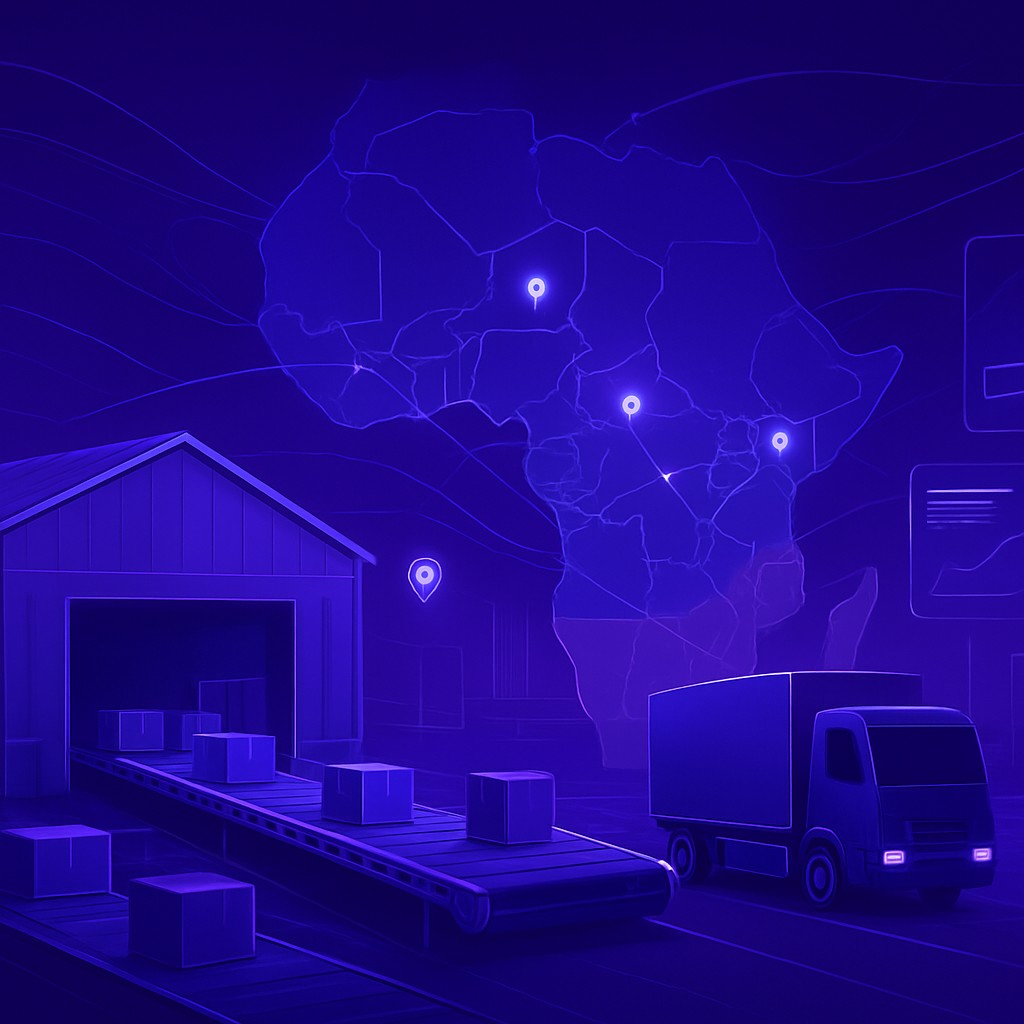
Logistics: Orchestrating Guinea's Supply Chains
Behind every successful business operation lies a well-managed logistics network, and in Guinea, logistics companies play an increasingly strategic role in the nation's economic development. While freight focuses on the physical movement of goods, logistics encompasses the broader coordination of supply chains, including warehousing, inventory management, customs handling, distribution, and end-to-end planning. This integrated approach ensures that goods reach their destinations efficiently, cost-effectively, and on schedule.
As Guinea deepens its engagement with global trade, particularly through its mining exports and growing import needs, the demand for sophisticated logistics services has surged. The companies that lead this sector combine operational expertise, infrastructure, and technology to deliver seamless solutions for businesses of all sizes.
The Components of Excellent Logistics
Top logistics providers offer far more than transportation. Effective warehousing and storage solutions help businesses manage inventory and respond to demand fluctuations. Customs clearance expertise is invaluable in a country where import and export procedures can be complex and time-sensitive. Distribution networks that reach both urban centers and remote regions enable comprehensive coverage.
Coordination and communication tie these elements together. The best companies provide visibility across the supply chain, allowing clients to track shipments and plan accordingly. Reliability, scalability, and the ability to handle diverse cargo types further distinguish leading providers in a demanding market.
Leading Logistics Companies in Guinea
1. Guinea Logistics Group stands out for its comprehensive, end-to-end services spanning transport, warehousing, and supply chain management for diverse industries.
2. Conakry Supply Chain Services focuses on port and capital-based logistics, expertly managing the flow of goods through Guinea's primary trade gateway.
3. West Africa Logistics brings regional reach and cross-border capabilities, connecting Guinea's supply chains with neighboring markets.
4. Atlantic Freight & Logistics combines maritime, road, and warehousing solutions, offering integrated services for import and export operations.
5. Mining Logistics Guinea specializes in serving the resource sector, coordinating the complex movement of equipment, supplies, and exports for mining clients.
6. Sahel Distribution Network emphasizes nationwide distribution, reaching both major cities and harder-to-access interior regions.
7. Premium Supply Solutions targets clients requiring high service standards, with strong planning, reliability, and tailored logistics strategies.
8. Capital Warehousing & Transport focuses on storage and distribution, providing businesses with flexible inventory and delivery solutions.
9. Niger Trade Logistics supports trade flows in the interior, linking production zones with commercial hubs and export channels.
10. Unity Logistics Guinea completes the list with accessible, dependable services that cater to small and medium enterprises seeking reliable supply chain support.
Trends Driving the Logistics Industry
The logistics sector in Guinea is undergoing meaningful transformation. The growth of the mining industry has created strong demand for specialized logistics capable of handling large-scale, complex operations. At the same time, rising imports of consumer and industrial goods have increased the need for efficient warehousing and distribution.
Technology is becoming an important differentiator, with leading companies adopting systems to improve shipment tracking, inventory management, and overall coordination. There is also growing recognition of the importance of skilled logistics professionals who can navigate customs, regulations, and infrastructure challenges. As global supply chains become more interconnected, Guinea's logistics providers are steadily aligning with international best practices.
Selecting the Right Logistics Provider
Businesses choosing a logistics partner in Guinea should consider the scope of services they require. Companies needing full supply chain management will benefit from integrated providers, while those with specific needs, such as warehousing or customs clearance, may prefer specialists. Evaluating a provider's infrastructure, reliability, and industry experience is essential.
Clear communication about requirements, timelines, and expectations helps build a productive partnership. Providers with strong local knowledge and the ability to scale services as a business grows offer particular value, ensuring that logistics support evolves alongside changing needs.
The Future of Logistics in Guinea
The logistics landscape in Guinea is poised for continued transformation as the nation deepens its economic ambitions. Investment in infrastructure, including ports, roads, and warehousing facilities, promises to enhance efficiency and reduce bottlenecks that have historically challenged supply chains. The gradual adoption of digital systems for tracking, inventory management, and coordination is expected to bring greater transparency and responsiveness to the sector. As businesses increasingly demand integrated, end-to-end solutions, logistics providers are likely to expand their service offerings and strengthen their networks. Workforce development will also play a key role, as skilled professionals become essential to managing complex operations. Companies that anticipate these shifts and invest accordingly will be well positioned to lead, helping Guinea build the resilient, modern supply chains that sustainable economic growth requires.
Conclusion
Logistics companies are the connective tissue of Guinea's economy, orchestrating the intricate movement and management of goods that sustain commerce and industry. The providers featured here have earned recognition through their expertise, infrastructure, and dedication to efficient, reliable service. As Guinea's trade and industrial activity continue to expand, these logistics leaders will play an ever more crucial role in driving growth and connecting the nation to regional and global markets.