
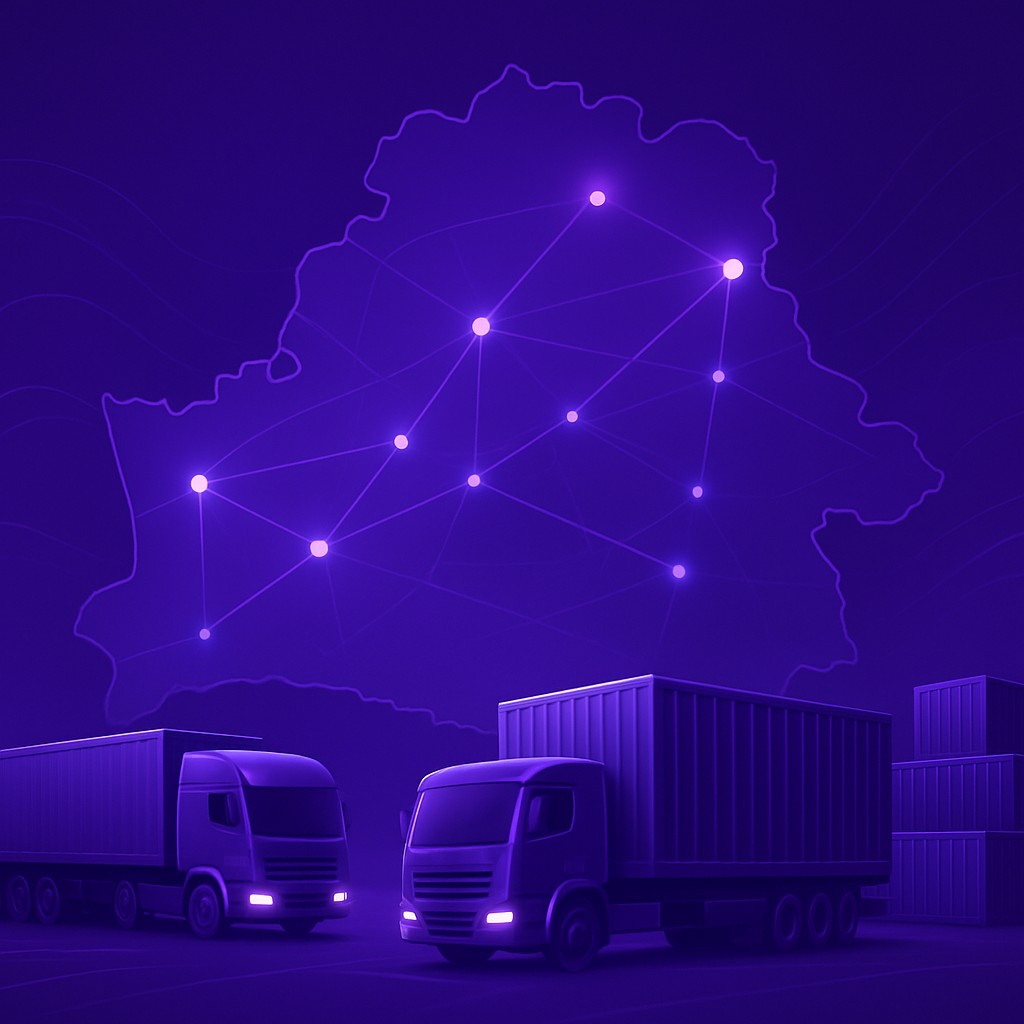
Why Logistics Matters in Belarus
Belarus occupies a strategic position between the European Union and the wider Eurasian Economic Union, turning the country into a natural transit corridor for goods moving in every direction. Pan-European transport corridors run directly through its territory, connecting Western Europe with Russia, the Caucasus, and Central Asia. As a result, logistics is not merely a support function in Belarus, it is a core pillar of national commerce. Companies that master warehousing, customs clearance, multimodal transport, and last-mile delivery hold genuine competitive advantages.
Over the past decade, the sector has matured rapidly. Modern logistics centers, bonded warehouses, and digital tracking platforms have replaced older, fragmented systems. Businesses now expect end-to-end visibility, predictable transit times, and integrated freight solutions that span road, rail, air, and inland transport.
What Defines a Leading Logistics Provider
The best logistics companies in Belarus share several defining traits. They operate extensive fleets and partner networks, maintain certified customs expertise, and invest heavily in technology that gives clients real-time shipment data. They also offer flexible service models, from full container loads to consolidated cargo, and they understand the regulatory nuances of cross-border trade within the Eurasian Economic Union.
Reliability, transparent pricing, and strong relationships with terminals and ports are equally important. A dependable provider reduces risk for manufacturers, retailers, and e-commerce sellers who cannot afford delays or damaged goods.
Notable Logistics Companies Operating in Belarus
Belintertrans is widely recognized for its rail-focused freight forwarding and its deep integration with the national railway infrastructure, making it a go-to choice for heavy industrial cargo. BLT Logistic has built a reputation for multimodal solutions that combine road and rail efficiently for cross-border shipments.
Asstra, with roots in the region, is known for international freight forwarding and a strong technology platform that appeals to enterprise clients. Globalink Logistics brings experience across the Eurasian corridor, offering project cargo and oversized freight handling. Westline Logistic and Transavtoles are valued by domestic shippers for dependable road transport and warehousing options.
For customs-heavy operations, providers such as Beltamozhservice stand out, offering bonded warehousing, customs brokerage, and terminal services that streamline the import and export process. Companies like Brest Logistic Center leverage their proximity to the western border, where the change in railway gauge makes transshipment hubs essential.
Industry Trends Shaping the Market
Digital transformation is the dominant trend. Transport management systems, electronic customs documentation, and GPS-enabled fleet tracking are now standard expectations rather than premium add-ons. Clients increasingly demand dashboards that show exactly where their goods are and when they will arrive.
Sustainability is also gaining traction. Operators are optimizing routes to cut fuel consumption, consolidating shipments to reduce empty mileage, and exploring greener warehouse operations. At the same time, the growth of e-commerce has pushed logistics firms to develop faster, more granular distribution networks capable of handling smaller, more frequent deliveries.
Benefits of Partnering With Established Providers
Working with a seasoned logistics company in Belarus delivers tangible advantages. Businesses gain access to established carrier relationships, negotiated freight rates, and the customs knowledge needed to avoid costly border delays. Integrated warehousing and distribution services allow companies to scale without building their own infrastructure.
Perhaps most importantly, experienced providers absorb complexity. They manage paperwork, coordinate multiple carriers, and resolve unexpected disruptions, freeing their clients to focus on their core operations.
How to Choose the Right Partner
When selecting a logistics partner, evaluate the company's coverage on your key trade lanes, its customs and compliance capabilities, and the depth of its technology stack. Ask about transit time guarantees, cargo insurance, and how the provider handles exceptions such as customs holds or weather disruptions. References from companies in your industry are invaluable.
Conclusion
Logistics in Belarus continues to evolve from a transit function into a sophisticated, technology-driven industry. The leading companies combine geographic advantage, regulatory expertise, and digital tools to move goods efficiently across borders. For any business operating in or through Belarus, choosing a capable logistics partner is a decisive factor in long-term success.