
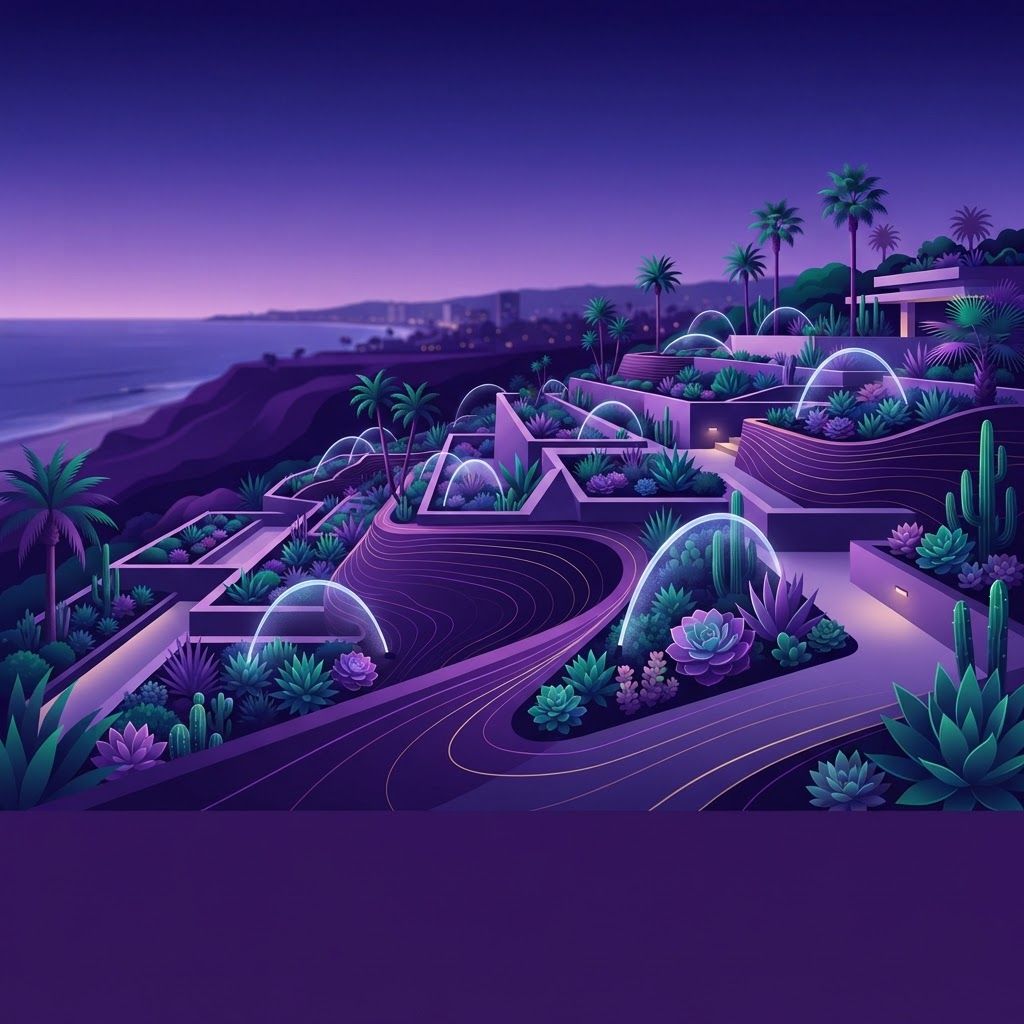
Landscaping in a Coastal, Water-Conscious City
Outdoor space in Huntington Beach functions as living space. The climate permits year-round use, which raises expectations well beyond a lawn and a hedge. At the same time, California water policy and steadily rising utility costs have made irrigation efficiency a practical necessity rather than an environmental gesture. The result is a local landscaping market that rewards companies fluent in both design aesthetics and horticultural science.
Salt spray and sandy soil add technical constraints. Plants that thrive a few miles inland can burn along the coast. Soil near the shoreline often drains too quickly and holds few nutrients, requiring amendment and thoughtful plant selection. The best firms treat these as design inputs rather than obstacles.
Design, Installation, and Maintenance Are Different Skills
Homeowners often assume a single company handles everything equally well. In practice, landscape design, hardscape construction, planting installation, and ongoing maintenance are distinct disciplines. Design requires spatial judgment and plant knowledge. Hardscape requires construction competence with proper base preparation and drainage. Maintenance requires horticultural understanding of pruning timing, fertilization, and pest management.
Full-service firms that genuinely perform all four exist, but many excellent companies specialize. Knowing which category a company occupies prevents mismatched expectations.
The Ten Landscaping Companies Leading Locally
Surf City Landscape Design handles complete outdoor transformations from concept drawings through installation, including planting plans, lighting, and irrigation.
Pacific Coast Hardscapes focuses on patios, pavers, retaining walls, outdoor kitchens, and fire features with attention to base compaction and drainage.
Harbour Garden Care provides ongoing maintenance for residential properties, including seasonal pruning, fertilization, and irrigation adjustment.
Goldenwest Drought Tolerant Landscaping specializes in turf removal and replacement with native and Mediterranean plantings, decomposed granite paths, and drip conversion.
Beachline Irrigation Systems concentrates on smart controllers, pressure regulation, drip retrofits, and leak diagnostics that reduce water consumption substantially.
Edinger Tree Service and Arborists offers certified arborist assessment, structural pruning, palm maintenance, and safe removal with stump grinding.
Bolsa Chica Native Plantscapes designs habitat-oriented gardens using California native species that support pollinators and require minimal supplemental water once established.
Main Street Commercial Grounds maintains retail centers, office properties, and HOA common areas on scheduled service contracts.
Seacliff Estate Landscaping serves larger properties with full-time crew allocation, seasonal color rotation, and coordination with pool and exterior maintenance vendors.
Oceanview Lawn and Garden provides straightforward recurring mowing, edging, and cleanup service for homeowners who want reliability without a design engagement.
Plant Selection That Actually Survives Here
Successful coastal plant palettes lean on species adapted to wind, salt, and lean soil. Agaves, aloes, and sedums provide sculptural structure with almost no water demand. Ornamental grasses such as deer grass and muhly add movement that suits the constant breeze. California natives including ceanothus, manzanita, toyon, and coastal sage offer seasonal interest while supporting local pollinators and birds.
Mediterranean species perform well because the climate is closely analogous. Rosemary, lavender, olive, and westringia deliver texture and fragrance with modest irrigation. For shade and canopy, coral trees, Torrey pines, and certain eucalyptus varieties handle coastal exposure, though placement must account for root behavior near hardscape and utilities.
Water Efficiency as a Design Principle
Irrigation upgrades frequently deliver the fastest return of any landscape investment. Converting spray heads to drip emitters eliminates overspray and evaporation loss. Weather-based smart controllers adjust schedules automatically using local evapotranspiration data rather than running a fixed program regardless of conditions. Hydrozoning, the practice of grouping plants with similar water needs on the same valve, prevents the common failure of overwatering drought-tolerant species to satisfy a thirsty neighbor.
Mulch is the least glamorous and most effective tool available. A three-inch layer of organic mulch reduces evaporation, moderates soil temperature, suppresses weeds, and improves soil structure as it decomposes.
Hardscape and Outdoor Living
Demand for outdoor living continues to grow. Covered patios with ceiling fans and heaters extend usability through cooler evenings. Built-in seating around fire features creates gathering space without consuming the yard with furniture. Outdoor kitchens have moved from luxury to common request, though they require planning for gas, water, drainage, and electrical during the hardscape phase rather than afterward.
Permeable paving deserves consideration. It manages stormwater on site, reduces runoff into the storm drain system that ultimately reaches the ocean, and often satisfies local requirements more easily than solid surfaces.
Hiring and Budgeting Well
Request a scaled plan for any significant project rather than relying on verbal description. Confirm licensing, since landscape contracting requires a C-27 license and hardscape work may require additional classifications. Ask about plant warranty terms and the establishment irrigation schedule, because most new planting failures trace to watering during the first season rather than plant quality.
Phase large projects if budget requires. Completing hardscape and irrigation infrastructure first, then adding planting and lighting later, avoids the expensive mistake of tearing out finished work to run a line.
Final Thoughts
Good landscaping in Huntington Beach is climate-appropriate, water-conscious, and designed for daily use rather than occasional viewing. Choose a company that asks how the family will actually use the space before it proposes a plant list, and the result will feel like an extension of the home rather than decoration around it.