
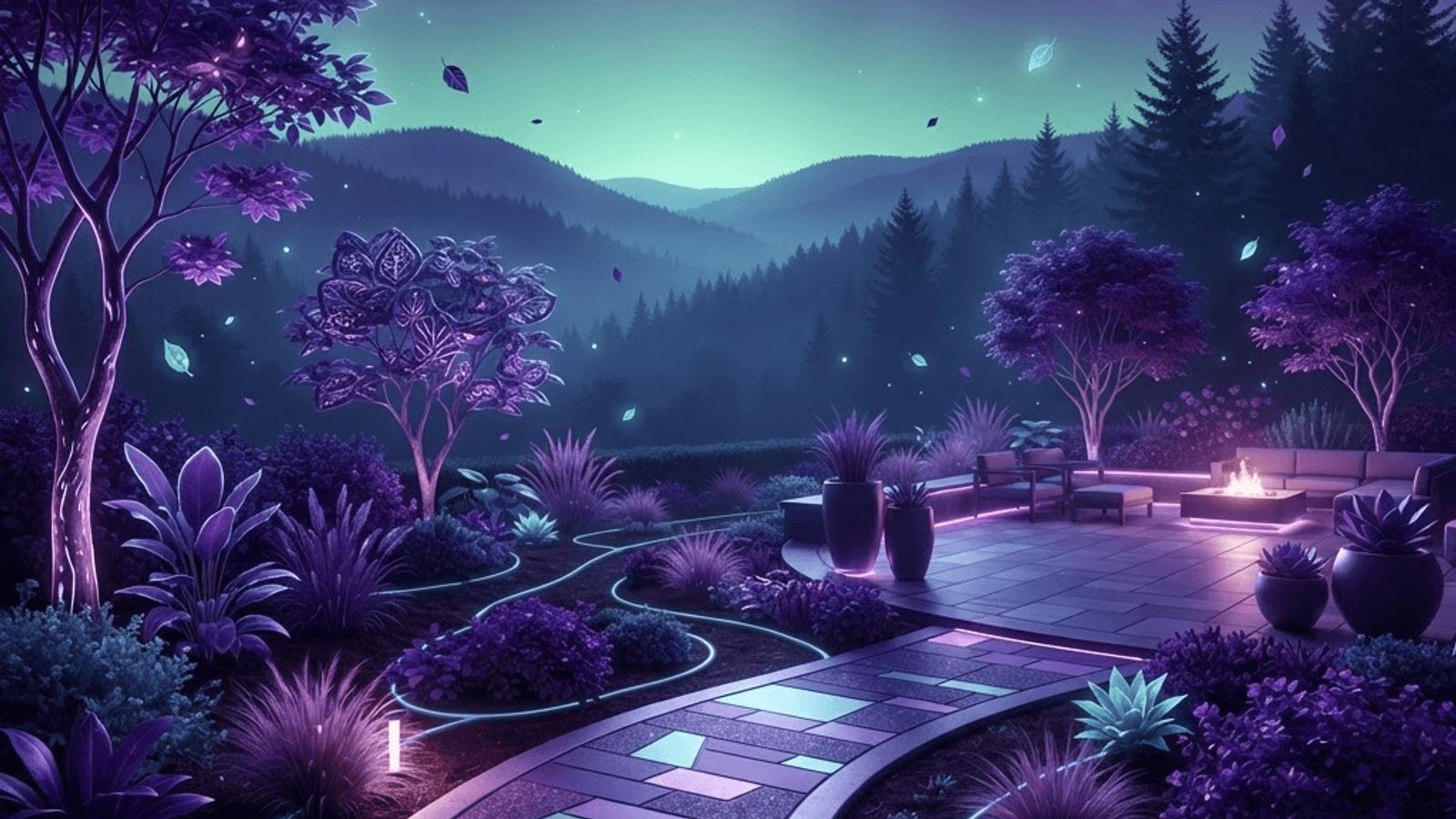
Landscaping in the Emerald Valley
Few American cities offer better growing conditions than Eugene. The combination of mild winters, a long shoulder season, and deep valley soils supports an enormous plant palette, from Japanese maples and rhododendrons to ornamental grasses, fruit trees, and a rich array of Pacific Northwest natives. That abundance is also a challenge. Landscapes here grow aggressively, drainage problems emerge quickly during the wet season, and summer water restrictions increasingly shape which designs remain viable. The best landscaping companies in Eugene do not simply install plants. They read soil, solve water movement, and design for how a property will look in year five rather than only on installation day.
Major Trends Shaping Local Landscapes
Three trends dominate current work. First, native and drought-adapted planting continues to gain ground as homeowners respond to hotter, drier summers and rising water costs. Oregon grape, red flowering currant, snowberry, camas, and native sedges show up in far more designs than they did a decade ago. Second, outdoor living construction has expanded dramatically, with patios, covered structures, fire features, and outdoor kitchens turning yards into genuine second living rooms usable much of the year. Third, stormwater management has moved from a code requirement to a design feature, with rain gardens and permeable paving handling runoff attractively instead of routing it into overwhelmed systems.
The Ten Landscaping Companies to Know
1. Rexius
An institution in the Eugene landscape world, Rexius operates across soil and mulch production, landscape construction, and maintenance. Its vertically integrated model means the company produces many of the soil blends and compost products it installs, giving it unusual control over the growing medium that ultimately determines plant success.
2. Freedom Lawn and Landscape
A well-established full-service provider handling maintenance contracts, irrigation, and installation for residential and commercial clients. Consistency and reliable crew scheduling are the strengths here, which matters enormously for commercial properties where appearance is tied directly to reputation.
3. Emerald Landscaping and Design
Design-build is the focus, with the same team carrying a project from concept drawings through planting and hardscape construction. That continuity avoids the common problem of a beautiful design that proves impractical or unaffordable once a separate contractor prices it out.
4. Cascade Lawn and Landscape
Cascade serves a broad residential base with maintenance, seasonal cleanups, pruning, and modest installation work. Its value lies in dependable recurring service, including the fall leaf management that valley properties demand every single year.
5. Green Thumb Landscaping
Known for planting design expertise and horticultural knowledge, this firm appeals to gardeners who want a sophisticated plant palette rather than a builder-grade shrub arrangement. Seasonal interest, pollinator support, and long-term plant health drive the design approach.
6. Willamette Landscape Services
Serving properties in and around Eugene including larger rural parcels, this company handles the scale challenges that acreage presents, from field mowing to driveway plantings and windbreaks. Equipment capability is the differentiator for these larger sites.
7. Pacific Sod and Landscape
Turf installation, renovation, and irrigation are the specialties. For homeowners wanting a functional lawn for children and pets, proper grading, soil preparation, and irrigation design matter far more than the sod itself, and this is where the company focuses attention.
8. Stone Creek Landscaping
Hardscape is the emphasis, with paver patios, retaining walls, natural stone steps, and outdoor fire features making up most of the portfolio. Proper base preparation and drainage behind retaining walls are the details that separate hardscape that lasts decades from work that fails in a few wet winters.
9. Sperry Tree Care Company
Arboriculture rather than general landscaping, but essential in a city with as many mature trees as Eugene. Certified arborists handle pruning, hazard assessment, cabling, and removal, and the structural evaluation they provide protects both trees and the structures around them.
10. Native Grounds Landscape
Rounding out the list, this firm specializes in native plant design, habitat gardens, and low-water landscapes. For homeowners who want a yard that supports local birds and pollinators while requiring modest irrigation once established, that specialization delivers exactly the right expertise.
Getting Value From Your Investment
Start with a plan even if installation will happen in phases. A phased plan prevents the expensive pattern of installing a patio and then tearing out part of it to run an irrigation line. Insist on a soil assessment, since Eugene's clay-heavy soils in some neighborhoods require amendment and drainage strategy that sandy loam sites do not. Clarify plant warranty terms, typically one year for trees and shrubs contingent on the homeowner following watering instructions. Confirm the company carries liability insurance and workers compensation, which is particularly important on projects involving equipment, retaining walls, or tree work.
Maintenance Determines Long-Term Results
The single most common reason expensive landscapes disappoint is inconsistent maintenance during establishment. New plantings need deep, infrequent watering through their first two summers to develop root systems that will later tolerate drought. Mulch needs periodic replenishment to suppress weeds and moderate soil temperature. Pruning has to happen at the right time of year for each species, not whenever the crew is on site. Whether you handle this yourself or contract it out, planning for the first three years of care is as important as selecting the installer.
Choosing the Right Partner
Look at completed projects that are several years old rather than freshly installed, because that is where quality reveals itself. Ask how the company handles drainage, what base depth it uses under paving, and how it selects plant material for a specific site's sun and soil conditions. The ten firms above have earned their local standing by answering those questions with specifics rather than generalities.