
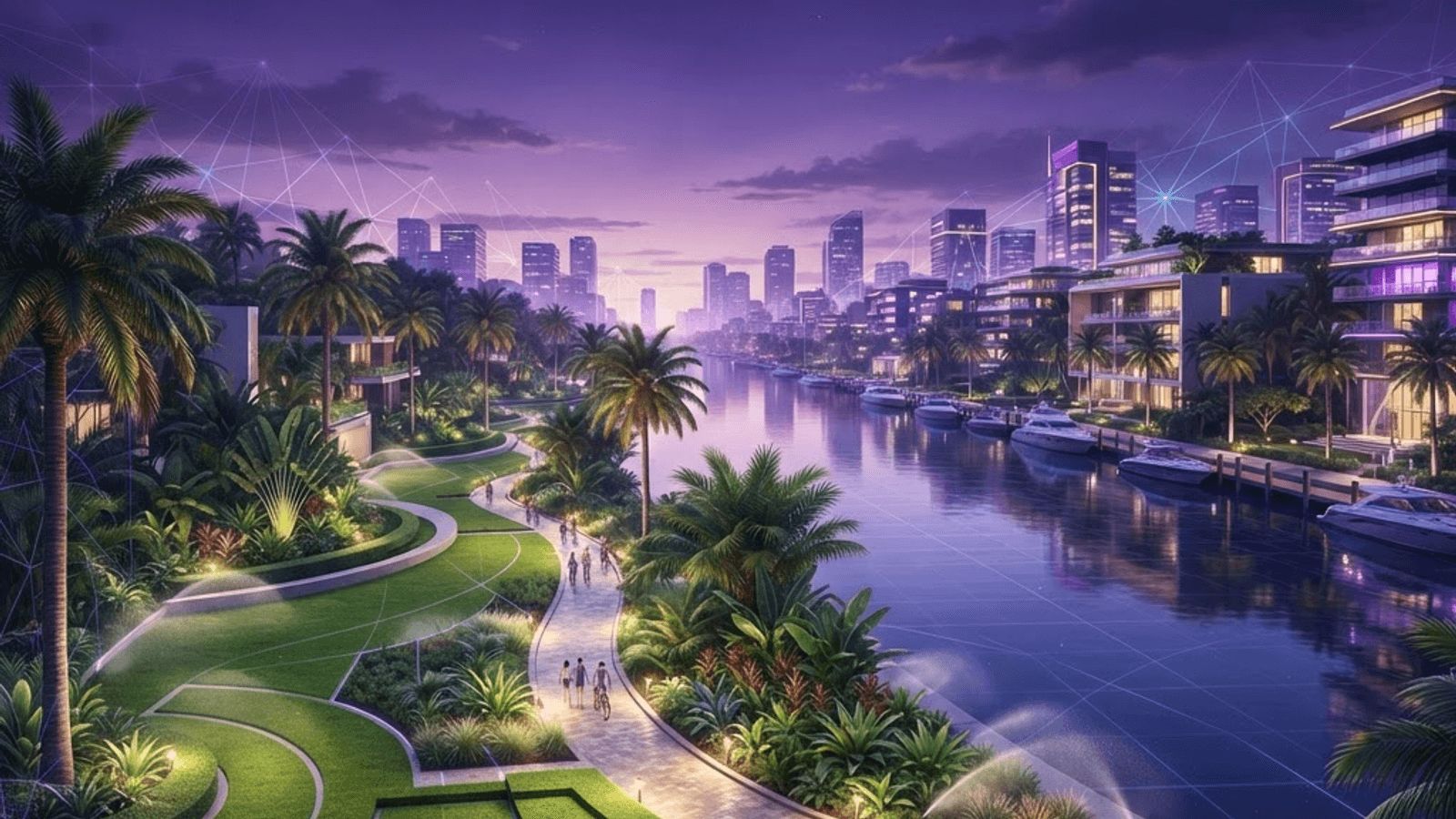
Landscaping for a Subtropical, Salt-Exposed City
Landscaping in Cape Coral is both easier and harder than in most of the country. Easier, because plants grow nearly year-round and the palette of tropical and subtropical species is enormous. Harder, because sandy soils drain nutrients rapidly, brackish canal water limits irrigation options in some areas, salt spray burns sensitive foliage, summer downpours alternate with dry spring months, and hurricanes periodically test every tree in the yard.
The best local landscaping companies design around those realities. They favor salt-tolerant and drought-adapted species, build soil with organic amendment, install irrigation zoned by plant water need, and site trees where wind loading and root space are appropriate. The ten companies below have strong reputations across Cape Coral for design quality and dependable maintenance.
The Ten Best Landscaping Companies in Cape Coral
1. Cape Coral Landscape Design. A full design-build firm producing planting plans, hardscape layouts, lighting, and irrigation as a single coordinated package, with renderings that let homeowners see the mature result before installation.
2. Gulf Coast Lawn and Turf Care. Focused on maintenance excellence: mowing, edging, fertility programs tailored to St. Augustine and Zoysia, weed control, and pest monitoring on a consistent schedule that keeps turf healthy through the wet season.
3. Coastal Native Plantings. Specializes in Florida-friendly and native landscapes using cocoplum, firebush, muhly grass, coontie, saw palmetto, and sea grape, dramatically reducing irrigation and fertilizer demand while supporting pollinators.
4. Sunshine Irrigation Systems. Designs, installs, and repairs sprinkler and drip systems including canal and well-fed setups, smart controllers with rain and soil moisture sensors, zone rebalancing, and backflow compliance.
5. Palm Ridge Tree Service and Palms. Provides palm trimming and nutrient care, hurricane-conscious canopy thinning, structural pruning of shade trees, stump grinding, and large-specimen tree installation with proper staking and root barriers.
6. Everglade Hardscapes and Pavers. Builds paver driveways, pool decks, walkways, seat walls, fire features, and retaining structures with attention to drainage and base preparation, which is where most paver failures originate.
7. Precision Outdoor Lighting. Installs low-voltage landscape lighting, palm uplighting, path and step illumination, dock and seawall lighting, and app-controlled scenes using corrosion-resistant brass and stainless fixtures suited to coastal air.
8. Harbor Point Commercial Grounds Management. Serves community associations, plazas, and office parks with contracted grounds maintenance, seasonal color rotation, mulch programs, and storm cleanup response.
9. Blue Water Waterfront Landscaping. Concentrates on canal-side properties with seawall plantings, erosion control, salt-tolerant screening hedges, and layouts that preserve water views and boat access.
10. Legacy Sod and Grading. Handles full lawn replacement, laser grading for drainage, sod installation, soil amendment, and re-establishment of yards damaged by construction or flooding.
Plant Selection That Survives Local Conditions
Salt tolerance should drive selection near canals and open water. Sea grape, cocoplum, buttonwood, silver saw palmetto, and Bougainvillea all handle exposure far better than tender ornamentals. For screening, clusia and podocarpus have become popular alternatives to areca palms because they hold shape with less water and maintenance.
Turf choice also matters. St. Augustine remains dominant for its shade tolerance and appearance, though it demands more water and is vulnerable to chinch bugs. Zoysia offers better density and drought resilience at higher installation cost. Many homeowners now reduce turf area entirely, replacing marginal strips with planting beds, gravel, or groundcovers to lower irrigation and fertilizer use.
Tree siting is a hurricane consideration. Species with strong root architecture and wind-resistant canopies, planted with adequate root space away from foundations, pools, and seawalls, perform far better in storms than fast-growing brittle species crowded into narrow beds.
Irrigation and Water Management
Efficient irrigation is the single largest lever on both landscape health and utility cost. Best practice includes separating turf and shrub zones, using drip or micro-spray in beds, installing a smart controller with rain shutoff, watering deeply and infrequently in early morning, and auditing head coverage annually. Local watering restrictions apply, and following them protects both the aquifer and your plants, since overwatering causes as much fungal disease and root decline as underwatering.
Fertility should be managed with the region's water quality in mind. Slow-release nitrogen, seasonal restrictions on application, and attention to phosphorus limits help prevent nutrient runoff into canals, which contributes to algae problems the entire community feels.
Choosing a Landscaping Company
Ask for a written scope distinguishing design, installation, and ongoing maintenance. Verify licensing for irrigation and pesticide application, plus liability and workers' compensation insurance. Request a plant list with quantities and container sizes rather than a lump sum, and clarify establishment watering responsibilities and any plant warranty period.
For maintenance contracts, confirm visit frequency, what fertility and pest applications are included, whether palm trimming is separate, and how storm debris cleanup is billed. Photographs of properties they have maintained for several years are more informative than freshly installed project shots.
Industry Trends
Florida-friendly landscaping continues to gain ground as water costs and environmental awareness rise. Artificial turf appears in small play and pet areas, though full-yard use remains debated for heat retention. Battery-powered mowers and blowers are expanding as noise ordinances and fuel costs push crews toward electric equipment. Outdoor living integration, combining planting with kitchens, fire features, and lighting, remains one of the strongest categories of homeowner spending.
Final Thoughts
Good landscaping in Cape Coral is climate-appropriate landscaping. Choose salt-tolerant and drought-adapted species, invest in efficient irrigation, site trees with storms in mind, and hire a company that documents its plant list and maintenance program. The ten providers above cover design, installation, maintenance, hardscape, lighting, and waterfront specialization.