
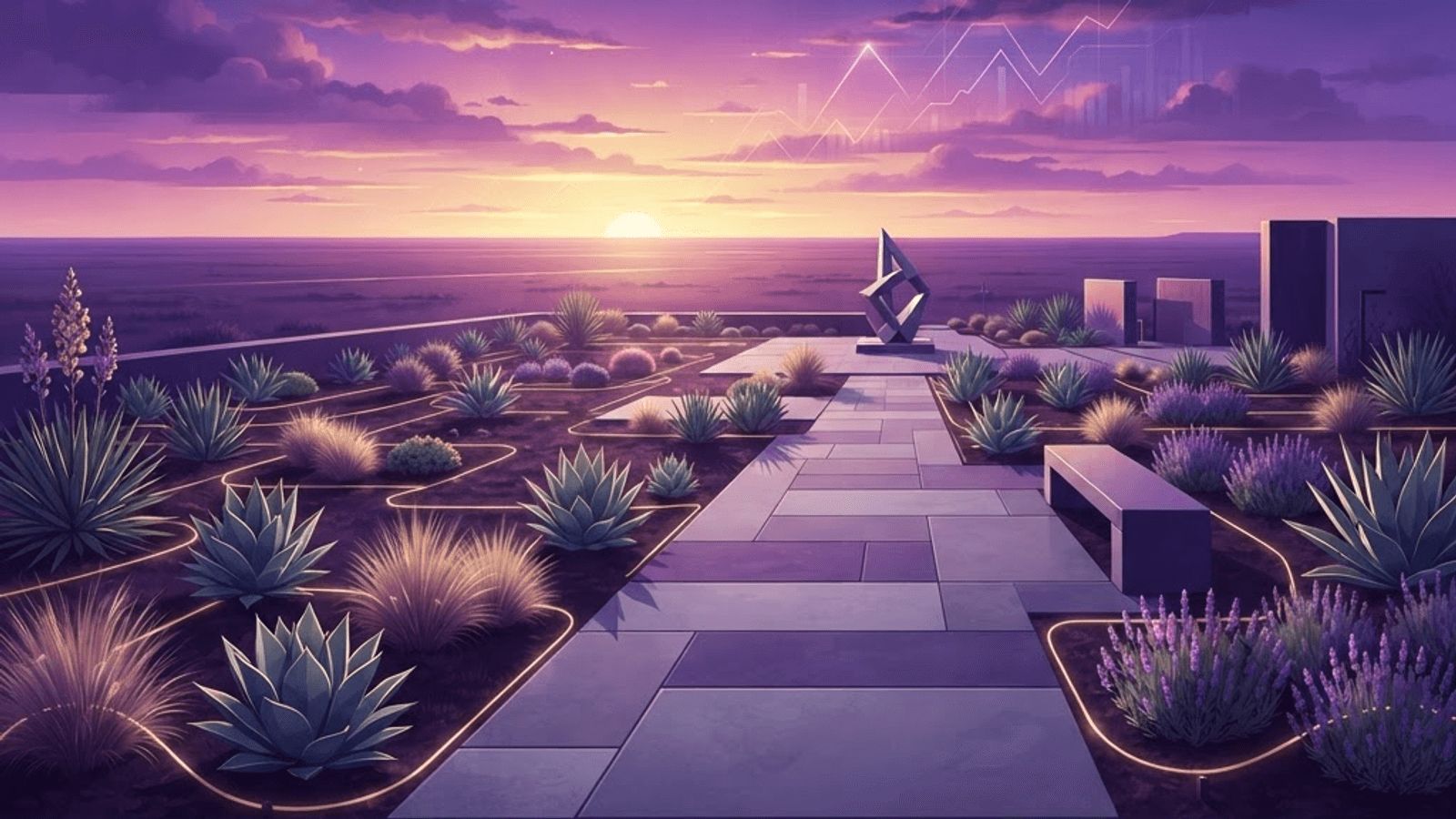
Designing for a High-Plains Environment
Landscaping in Amarillo is an exercise in working with the environment rather than against it. The city sits in a semi-arid zone that receives roughly twenty inches of precipitation in an average year, much of it arriving in short, intense summer storms. Winters are cold enough to place the region in a hardiness zone where many popular Sun Belt ornamentals will not survive. Soils tend toward clay loam with high pH and often a caliche layer that restricts root penetration and drainage. Wind is nearly constant and desiccating, and hail is a recurring threat to broad-leafed plants.
Those constraints explain why imported design templates fail here. A landscape modeled on Dallas or Phoenix plant palettes will struggle. The strongest local landscaping companies build plans around native and regionally adapted species, amend and decompact soil rather than simply mounding topsoil over caliche, use windbreak plantings and structures strategically, and size irrigation to actual plant water requirements instead of a generic schedule.
Plant Selection That Actually Thrives
Successful Panhandle landscapes lean on tough performers. For shade trees, bur oak, chinkapin oak, cedar elm, western soapberry, honeylocust, and Texas red oak handle wind, alkalinity, and cold better than the fast-growing but brittle species often planted by builders. Ornamental trees include desert willow, Mexican plum, and crabapple. Evergreen screening comes from eastern red cedar, Austrian and pinyon pine, and arborvitae in protected locations.
Shrubs and perennials that perform include sumac, Apache plume, fernbush, Russian sage, salvia, agastache, blackfoot daisy, yarrow, coneflower, penstemon, and yucca. Ornamental grasses such as little bluestem, switchgrass, blue grama, and muhly grass thrive and provide winter structure while moving beautifully in wind. For turf, buffalograss and blue grama native mixes use dramatically less water than tall fescue, while bermuda offers durability with moderate input. Fescue remains popular for its appearance but demands the highest irrigation, which is worth understanding before installation rather than after the first water bill.
Irrigation Efficiency and Water Management
Water is the defining cost in a Panhandle landscape, and irrigation design is where good companies distinguish themselves. Texas requires licensing for irrigation system installation and repair, so verify that credential specifically. A well-designed system uses hydrozoning, grouping plants with similar water needs on shared valves so trees, shrubs, perennials, and turf are not watered on the same schedule.
Beyond zoning, efficient systems use pressure-regulated heads with matched precipitation rates, rotary nozzles that resist wind drift better than conventional spray, and drip or inline emitter tubing for beds where overhead spray wastes water to evaporation. Smart controllers that adjust to weather data and soil moisture sensors reduce consumption meaningfully. Rain and freeze sensors are essential. Companies that audit existing systems, catch head-to-head coverage problems, and adjust schedules seasonally often save clients more than the audit costs within a single season.
Hardscape and Outdoor Living
Given wind and intense sun, hardscape and shade structures carry unusual value locally. Popular elements include flagstone and concrete paver patios, seat walls and raised planters built from block or stone, decomposed granite and gravel pathways, dry creek beds that manage storm runoff, fire pits and outdoor kitchens, pergolas and shade sails, and retaining walls where grade changes exist. Outdoor lighting extends usability into evenings and improves security.
Construction quality matters more here because of soil movement. Properly compacted base material, adequate depth, correct edge restraint, and drainage provisions prevent the settling and heaving that ruin cheap patio installations within a few years. Retaining walls above a modest height require engineering and proper drainage behind the wall. Ask specifically about base preparation depth and compaction method, because that hidden layer determines longevity.
Maintenance Programs and Seasonal Rhythm
Maintenance is where most landscaping revenue lives, and program quality varies widely. A thorough maintenance contract covers mowing at appropriate heights for the turf species, edging, seasonal fertilization based on soil testing rather than a fixed formula, aeration to relieve clay compaction, targeted weed control, shrub and tree pruning at correct times, bed mulching, irrigation adjustment and repair, spring startup and fall winterization, and leaf and debris cleanup.
Timing matters in the Panhandle. Trees should be pruned in dormancy, not in late summer. Warm-season turf is fertilized when actively growing, while cool-season grass is fed in fall. Pre-emergent weed control must be applied before soil temperatures rise. Fall is the ideal planting window for trees and shrubs because roots establish through winter moisture before facing summer heat. Companies that explain and follow this calendar deliver better plant survival rates than those running a uniform monthly checklist.
Industry Trends
Water-wise design has moved from niche to mainstream. Xeriscape done well is not gravel and cactus but a layered planting of adapted species with efficient irrigation, and it can be lush in appearance while using a fraction of traditional water. Native plant demand has grown alongside interest in pollinator habitat, and landscape designs increasingly include milkweed, native asters, and flowering shrubs that support butterflies and bees.
Turf reduction is another visible trend, with homeowners converting unused lawn to planting beds, permeable hardscape, or native grass meadows. Technology has arrived in the form of design visualization software that produces realistic renderings before installation, robotic mowing in some commercial applications, and remote irrigation monitoring that flags leaks and stuck valves automatically. Finally, stormwater management has grown in importance, with rain gardens and dry creek beds used to capture and infiltrate intense summer downpours rather than shedding them to the street.
Evaluating a Landscaping Company
Ask for a design before construction on any substantial project, and expect a plan that names plant species and quantities rather than saying assorted shrubs. Verify irrigation licensing, general liability insurance, and workers compensation. Review a portfolio of installations at least three years old, since a landscape looks good on installation day regardless of quality and reveals its design intelligence over seasons.
Clarify warranty terms on plant material, which typically covers one growing season for trees and shrubs when the client follows watering instructions. Confirm who is responsible for irrigation adjustment during establishment. Understand what is excluded, such as soil amendment volumes, tree staking, or permit fees. Finally, be realistic about maintenance commitment. A design that requires weekly intervention will fail if nobody is providing it, and a good company will design to the level of care you can sustain.
Final Perspective
The best landscaping companies in Amarillo design with the high plains rather than in spite of them: adapted plants, corrected soil, hydrozoned and licensed irrigation, well-built hardscape with proper base preparation, and maintenance timed to the local calendar. That approach produces yards that look intentional in July, structural in January, and use far less water than the fescue-and-hope model. Hire for design competence and horticultural knowledge, and the landscape will improve every year instead of declining.